
Featured Sewage Treatment Solutions
Industrial Status of Sewage Treatment Valves
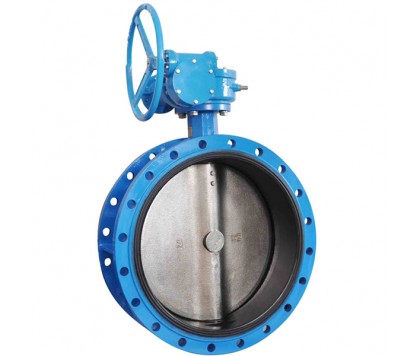
The global industrial landscape for wastewater management is undergoing a radical transformation. As urbanization accelerates and environmental regulations tighten, the demand for high-reliability flow control components like the Flanged Eccentric Butterfly Valve for Sewage Treatment Use has reached an all-time high. Modern sewage systems are no longer just about moving waste; they are complex chemical and biological processing plants that require precision, durability, and automation.
The Surge in Demand
With the rise of "Smart Cities," the infrastructure for water reclamation and sewage treatment is being upgraded globally. The Flanged Eccentric Butterfly Valve has emerged as the preferred choice due to its ability to handle "dirty" media—liquids containing suspended solids, abrasive particles, and corrosive chemicals—without compromising the seal integrity or requiring frequent maintenance.
In the current industrial market, manufacturers are moving away from standard concentric designs toward double and triple eccentric configurations for critical sewage applications. This shift is driven by the need for zero-leakage performance and the reduction of operating torque, which allows for smaller, more energy-efficient actuators.
Why "Eccentric" Design Matters in Sewage Treatment
Standard valves often fail in sewage environments because the media is inherently abrasive. The eccentric (or offset) design of a butterfly valve provides a fundamental mechanical advantage that extends service life significantly.
1. Double Eccentric Principle
In a double eccentric butterfly valve, the shaft is offset from the centerline of the disc and also from the centerline of the seal. This creates a "camming" action. As the valve opens, the disc immediately lifts off the seat, reducing friction and wear. In sewage treatment, where grit and debris are present, this prevents the seat from being "scrubbed" and damaged during every cycle.
2. Corrosion and Erosion Resistance
Sewage often contains hydrogen sulfide (H2S) and other corrosive byproducts. Flanged eccentric valves used in these scenarios are typically equipped with high-grade ductile iron bodies, stainless steel discs, and specialized EPDM or NBR resilient seats. For more aggressive industrial wastewater, coatings like fusion-bonded epoxy (FBE) are applied to provide an impenetrable barrier against chemical attack.
- Reduced Operating Torque: Allows for cost-effective automation.
- Bi-directional Sealing: Critical for complex piping layouts in treatment plants.
- Self-Cleaning Action: The eccentric movement helps dislodge accumulated solids.
- Maintenance-in-Place: Flanged designs allow for easier access compared to welded alternatives.
Deep Application Scenarios in Wastewater Plants
The Flanged Eccentric Butterfly Valve is a versatile workhorse found in various stages of the wastewater treatment process:
Primary Sedimentation
Valves control the flow of raw sewage into settling tanks. The eccentric design ensures that even if heavy sludge accumulates, the valve can still break through the sediment to close securely.
Aeration Tanks
In the secondary treatment phase, valves regulate the air and water mixture. High-frequency cycling is common here, making the low-friction eccentric design vital for longevity.
Sludge Dewatering
Handling concentrated sludge requires a valve that won't clog. The streamlined disc of the eccentric butterfly valve offers minimal flow resistance while ensuring a tight shut-off.
Future Trends: The Evolution of Flow Control
The future of Flanged Eccentric Butterfly Valves for Sewage Treatment Use is inextricably linked to digitalization and sustainability. We are seeing a move toward "Intelligent Valves" equipped with IoT sensors that monitor pressure, flow rate, and seal wear in real-time. This predictive maintenance approach prevents catastrophic failures and environmental leaks.
Furthermore, material science is introducing new polymers and ceramic coatings that can withstand even the most toxic industrial effluents, such as those from pharmaceutical or textile factories. As the world moves toward "Circular Water Economies," where every drop of sewage is treated for reuse, the precision and reliability of these valves become the backbone of global water security.
Tianjin Tanggu Water-Seal Valve Co., Ltd.
All For Customers, All From Innovation
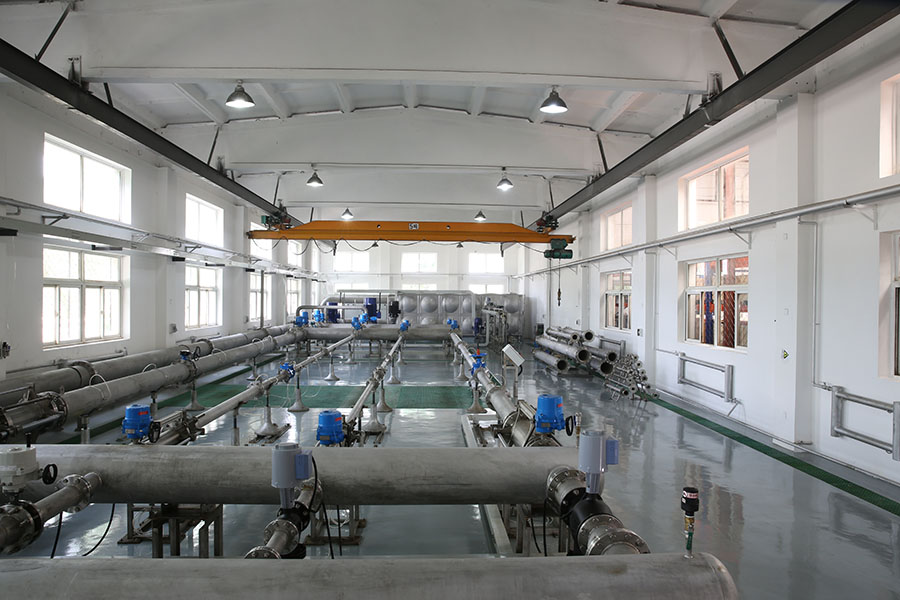
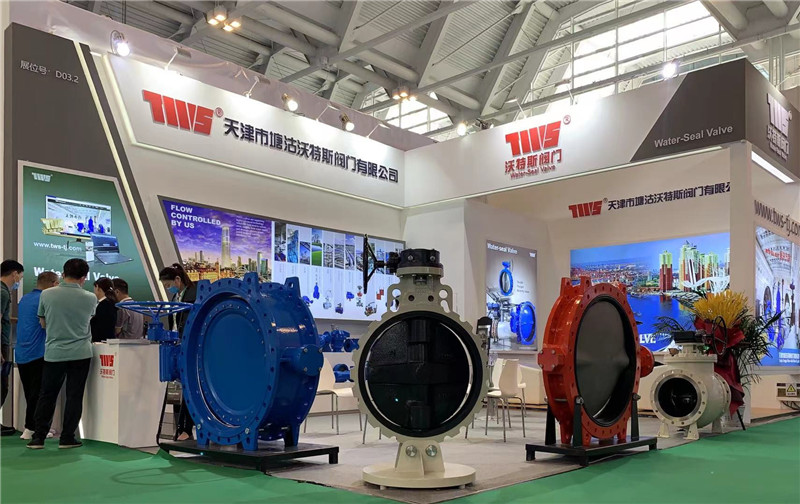
Tianjin Tanggu Water-Seal Valve Co., Ltd. (TWS Valve) was founded in 2003 and is a professional manufacturer that integrates design, development, production, installation, sales, and service. We operate two advanced manufacturing plants located in Xiaozhan Town and Gegu Town, Jinnan District, Tianjin. Today, we have emerged as one of China’s leading suppliers of water management valve products and solutions, building our strong proprietary brand, "TWS".
TWS Valve’s quality system is strictly certified by ISO 9001, and most of our products carry CE and WRAS approvals. Our commitment to quality and innovation has made us a trusted partner for major infrastructure projects worldwide.
Why Choose TWS Valve?
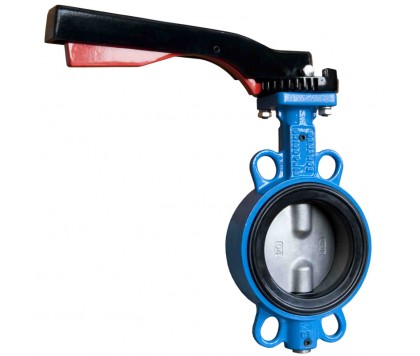
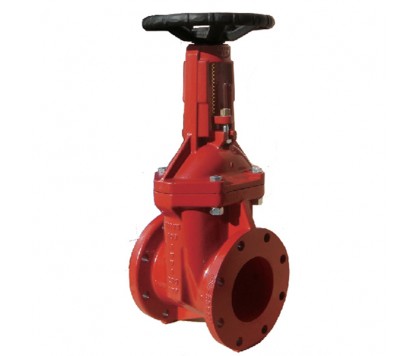
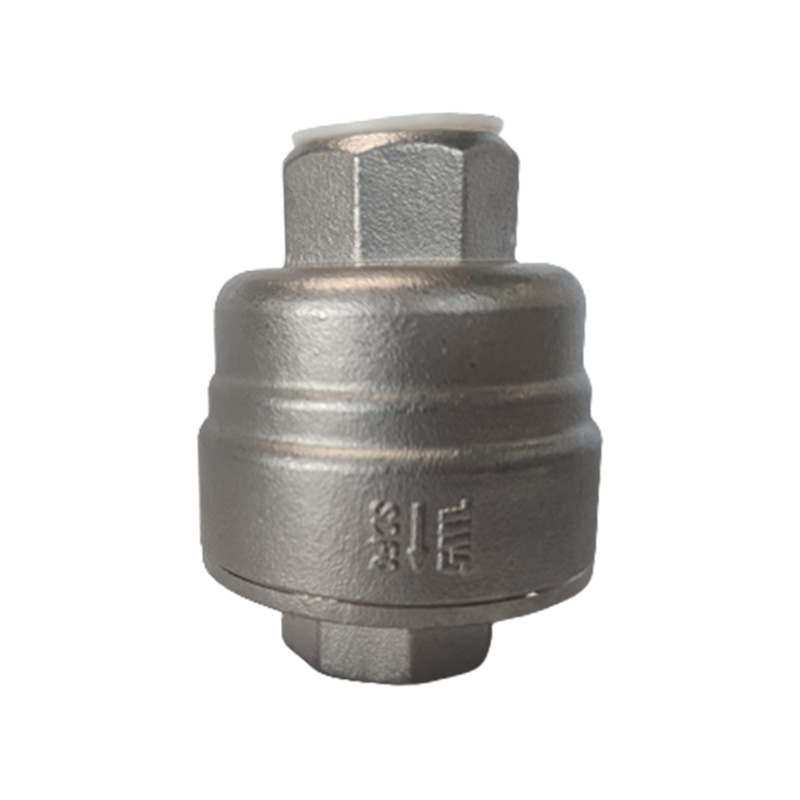
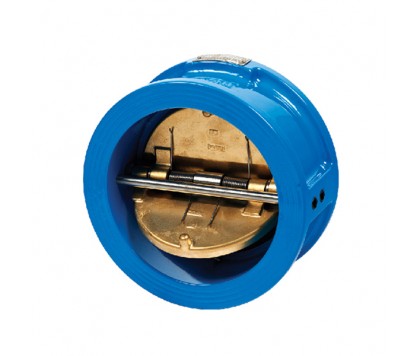
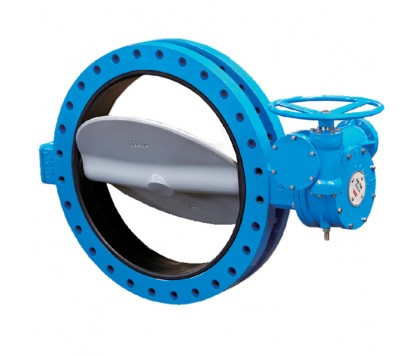
Our core product range includes a comprehensive series of resilient seated butterfly valves (wafer, lug, U-section, concentric, and eccentric types), flanged rubber-seated gate valves, check valves, Y-strainers, and more. We are constantly diversifying our portfolio to meet the evolving needs of water management.
- Advanced Manufacturing: Own gearbox and electrical actuator production for perfect valve matching.
- Specialized Solutions: Custom valves for seawater desalination and flue gas desulfurization.
- Global Reach: Exported to Europe, North America, South America, Southeast Asia, and Africa.
- Certified Excellence: ISO 9001, ISO 14001, WRAS, EN1074-1, ABS, and CCS.
International Certifications


Global Cooperation Cases
TWS Valves are widely utilized in water treatment, distribution, wastewater management, dams, hydropower, and industrial power plants. Our masterpiece projects span across continents, proving our reliability in the most demanding conditions.


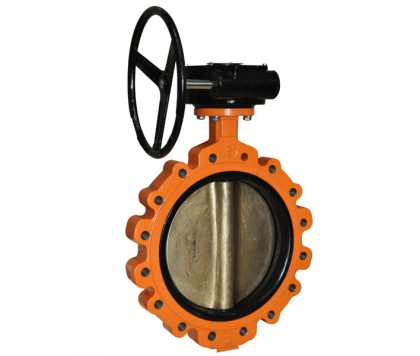
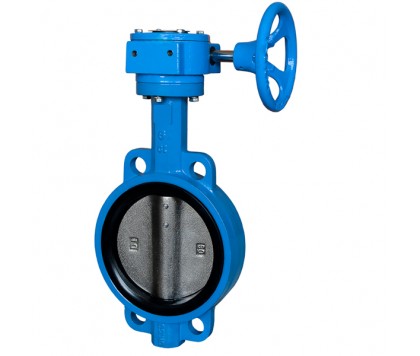
Detailed Technical Specifications & Material Selection
When selecting a Flanged Eccentric Butterfly Valve for Sewage Treatment Use, the material selection is as critical as the mechanical design. Sewage is a complex cocktail of organic waste, storm water runoff, and industrial chemicals. TWS Valve employs a rigorous selection process to ensure compatibility.
Ductile Iron Body (GGG40/50)
We use high-tensile ductile iron for the valve body, providing the strength of steel with the corrosion resistance of cast iron. This is essential for municipal sewage lines that operate under varying pressure surges (water hammer).
Resilient Sealing Technology
The "Water-Seal" in our name reflects our mastery of resilient seating. For sewage, we typically recommend EPDM (Ethylene Propylene Diene Monomer) for its excellent resistance to ozone, weather, and chemicals found in wastewater. For oily sewage or industrial runoff, NBR (Nitrile Butadiene Rubber) is used to prevent swelling and seal failure.
The Stainless Steel Advantage
The disc and shaft are the primary components exposed to the flow. TWS utilizes high-grade Stainless Steel (SS304/SS316) to prevent pitting corrosion. In the eccentric design, the shaft is fully isolated from the media, a feature that prevents the "seizing" common in lower-quality valves used in wastewater plants.
Our manufacturing process includes 100% pressure testing according to international standards like EN12266-1. This ensures that every valve leaving our factory is ready for the harsh realities of sewage treatment, providing a service life that often exceeds 20 years with minimal intervention.
Conclusion
In the pursuit of cleaner water and a healthier environment, the role of reliable flow control cannot be overstated. TWS Valve's Flanged Eccentric Butterfly Valve represents the pinnacle of engineering for sewage treatment. By combining the camming action of double eccentricity with superior materials and certified manufacturing, we provide the global market with a solution that is not only efficient but also sustainable. Join us in defining new standards for water management. Flow controlled by TWS.
-

Phone
-

E-mail
-

Top


