
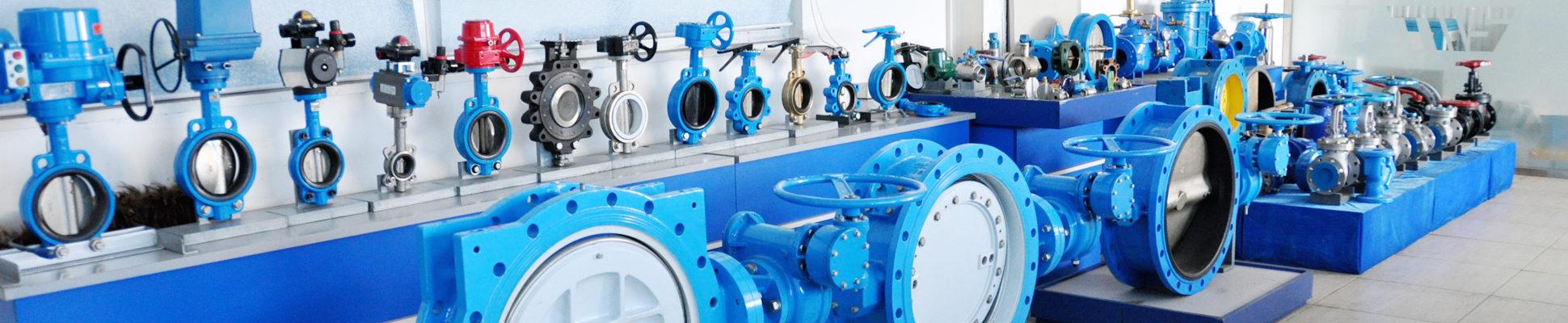
I. Principles for Selecting Butterfly Valves
1. Structure type selection
Center butterfly valve (center line type): The valve stem and butterfly disc are centrally symmetrical, with simple structure and low cost. The sealing relies on rubber soft seal. It is suitable for occasions with normal temperature and pressure and no strict requirements.
Single eccentric butterfly valve: The valve stem is offset from the center of the butterfly disc, reducing friction between sealing surfaces during operation and extending service life. Ideal for medium and low-pressure applications requiring frequent opening and closing.
Double eccentric butterfly valve (high-performance butterfly valve): The valve stem is offset from both the butterfly disc and the sealing surface center, enabling frictionless operation. It typically features metal or composite sealing. Ideal for high-temperature, high-pressure, corrosive, or particulate media.
Three-eccentric butterfly valve: Combining dual eccentricity with a beveled conical sealing pair, it achieves zero friction and zero leakage, with high-temperature and high-pressure resistance. Ideal for harsh working conditions (e.g., steam, oil/gas, high-temperature media).
2. Drive mode selection
Manual: for small diameters (DN≤200), low-pressure, or infrequent operation situations.
Worm gear drive: Suitable for medium to large diameter applications requiring effortless operation or flow regulation.
Pneumatic/Electric: Remote control, automation systems, or rapid shut-off requirements (e.g., fire alarm systems, emergency shutdowns).
3. Sealing materials and materials
Soft seal (rubber, PTFE, etc.): good sealing, but limited temperature and pressure resistance (usually ≤120°C, PN≤1.6MPa). Suitable for water, air and weak corrosion media.
Metal seals (stainless steel, cemented carbide): High temperature resistance (up to 600°C), high pressure, and wear and corrosion resistance, but the sealing performance is slightly inferior to soft seals. Suitable for high-temperature media in metallurgy, power plants, and petrochemicals.
Body material: Cast iron, carbon steel, stainless steel, alloy steel, or plastic/rubber lining depending on the corrosiveness of the medium.
4. Pressure and temperature range:
Soft-sealed butterfly valves are generally used for PN10~PN16, with temperatures ≤120°C. Three-eccentric metal-sealed butterfly valves can reach above PN100, with temperatures ≥600°C.
5. Traffic Characteristics
When flow regulation is required, select a butterfly valve with linear or equal percentage flow characteristics (e.g., V-shaped disc).
6. Installation space and flow direction: The butterfly valve has a compact structure, making it suitable for pipelines with limited space. Generally, there are no flow direction restrictions, but for three-eccentric butterfly valves, the flow direction must be specified.
II. Applicable Occasions
1. Water Conservancy and Water Supply & Drainage Systems: Urban water supply, fire protection piping, and sewage treatment: commonly use soft-sealed centerline butterfly valves, which are low-cost and have reliable sealing. For pump outlets and flow regulation: select worm gear or electric control butterfly valves.
2. Petrochemical and natural gas pipelines: Three-eccentric metal-sealed butterfly valves are selected for high-pressure resistance and leak prevention. Corrosive media (e.g., acids/alkalis): Fluorine-lined butterfly valves or corrosion-resistant alloy valves are used.
3. For power industry, circulating water systems, and flue gas desulfurization: medium or double eccentric rubber-lined butterfly valves. For steam pipelines (e.g., auxiliary equipment systems in power plants): three eccentric metal-sealed butterfly valves.
4. HVAC (Heating, Ventilation, and Air Conditioning) chilled and hot water circulation systems: soft-sealed butterfly valves for flow control or cutoff.
5. For marine engineering and seawater pipelines: corrosion-resistant duplex stainless steel butterfly valves or rubber-lined butterfly valves.
6. Food and medical-grade butterfly valves (polished stainless steel, quick-connect fittings) meet sterile requirements.
7. Dust and particulate media in special operating conditions: Wear-resistant hard-sealed butterfly valves are recommended (e.g., for mine powder conveying).
Vacuum system: Special vacuum butterfly valve ensures sealing performance.
III. Conclusion
TWS is not only a trusted partner for high-quality butterfly valves but also boasts extensive technical expertise and proven solutions in gate valves, check valves, and air release valves. Whatever your fluid control requirements may be, we provide professional, one-stop valve support. For potential collaborations or technical inquiries, please feel free to contact us anytime.
Post time: Dec-17-2025


