
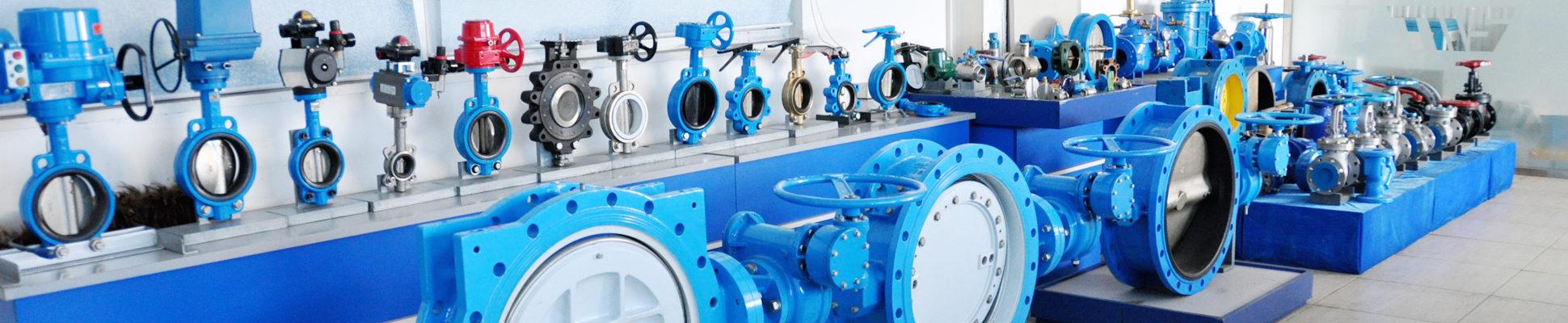
In industrial piping systems, valves are crucial devices for controlling fluid flow. Based on different working principles and application scenarios, valves can be classified into various types, including butterfly valves, gate valves, and check valves. This article will discuss in detail the sealing principles and classification of these valves, and introduce a professional valve manufacturing company—Tianjin Tanggu Water-Seal Valve Co,.Ltd
I. Basic Classification of Valves
1. Butterfly Valve: A butterfly valve is a type of valve that controls fluid flow by rotating a valve disc. It has a simple structure, small size, and is suitable for large-diameter pipelines. The sealing principle of a butterfly valve mainly relies on the contact between the valve disc and the valve seat, typically using materials such as rubber or polytetrafluoroethylene (PTFE) for sealing. The sealing performance of a butterfly valve is significantly affected by the rotation angle of the valve disc and the degree of wear on the valve seat.
2. Gate Valve: A gate valve is a valve that controls fluid flow by moving a gate up and down. Its sealing principle is achieved through the tight contact between the gate and the valve seat. Gate valves are typically used in fully open or fully closed applications, offering good sealing performance and are suitable for high-pressure and high-temperature operating environments. The sealing material of a gate valve is generally metallic or non-metallic, with the specific choice depending on the properties of the fluid and operating conditions.
3. Check Valve: A check valve is a valve that prevents fluid backflow. Its sealing principle involves the valve disc automatically opening under fluid pressure and closing under gravity or a spring when fluid flow stops, thus achieving a seal. Check valves are typically designed with the fluid flow direction in mind to ensure effective backflow prevention under all circumstances.
II. The Sealing Principle of Valves
The sealing performance of a valve is crucial to its design and material selection. The sealing principle mainly includes the following aspects:
1. Contact Seal: This is the most common sealing method, relying on the physical contact between the valve disc and the valve seat. The effectiveness of a contact seal is affected by factors such as the surface finish of the material, pressure, and temperature.
2. Hydrodynamic Seal: In some situations, the flow of fluid can create a pressure difference inside the valve, thereby enhancing the sealing effect. This type of seal is commonly found in check valves and certain types of butterfly valves.
3. Elastic Seal: This type of seal uses elastic materials (such as rubber or polymers) as the sealing element, providing a good seal when the valve is closed. Elastic seals can adapt to certain deformations, ensuring consistent sealing performance under different operating conditions.
III. TWS Valve Products
Tianjin Tanggu Water-Seal Valve Co,.Ltd is a professional company specializing in the research, development, production, and sales of valves, covering a wide range of products including butterfly valves, gate valves, and check valves. The company is committed to providing high-quality valve solutions to meet the needs of various industries. Through continuous technological innovation and rigorous quality control, TWS has earned a strong reputation in the market.
In summary, understanding the sealing principles and classifications of valves is fundamental to understanding fluid control systems. Whether it’s a butterfly valve, gate valve, or check valve, each has its unique sealing principles and application scenarios. Choosing the right valve not only improves system efficiency but also ensures safety and reliability.
Post time: Jan-20-2026


