
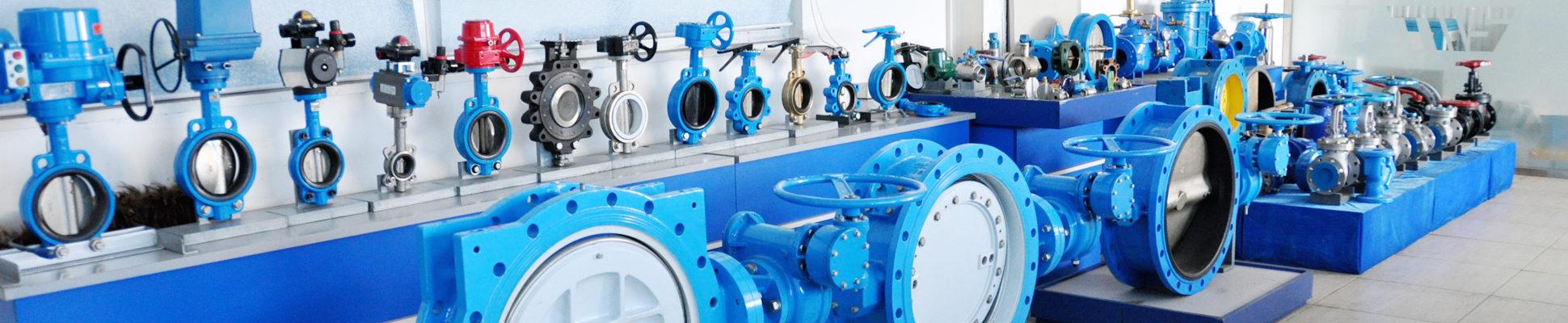
Butterfly valves are widely used in industrial piping systems, primarily for regulating fluid flow and pressure. To improve the durability and corrosion resistance of butterfly valves, the coating process is particularly important. This article will explain in detail the butterfly valve coating process and its significance.
Purpose of butterfly valve coating
The coating of butterfly valves is not only for aesthetics, but more importantly, it protects the valve’s metal surface from corrosion in harsh environments. Coating can effectively extend the service life of butterfly valves and reduce maintenance costs. Furthermore, coating can improve the valve’s wear resistance, ensuring normal operation under high flow rate and high pressure conditions.
Butterfly Valve Coating Steps
- Surface Treatment: Before coating, the surface of the butterfly valve must be treated. This step includes cleaning, degreasing, and rust removal to ensure that the coating adheres firmly to the valve surface. Common surface treatment methods include sandblasting and pickling.
- Primer Application: After surface treatment, the next step is primer application. The purpose of the primer is to enhance the adhesion of the coating and provide additional corrosion protection. Primers are typically made of materials such as epoxy resin or polyurethane, which have excellent corrosion resistance and adhesion.
- Topcoat Application: After the primer dries, the topcoat is applied. The topcoat not only provides an aesthetically pleasing appearance but also further enhances the valve’s weather resistance and abrasion resistance. The choice of topcoat typically varies depending on the operating environment. For example, in high-temperature or chemically corrosive environments, specific high-temperature or chemically resistant coatings may be required.
- Curing Treatment: After coating, the butterfly valve requires a curing treatment to ensure the durability and stability of the coating. Curing can be carried out by natural drying or heat drying, depending on the type of coating used.
Precautions for Butterfly Valve Coating
There are several key points that require special attention during the butterfly valve painting process:
- Environmental Conditions: Coating should be carried out under suitable temperature and humidity conditions to ensure uniformity and adhesion of the coating. Excessively high or low temperatures and humidity will negatively impact the coating results.
- Coating Selection: Choosing the right coating based on the butterfly valve’s operating environment is crucial. Different coatings have different properties, and improper selection may lead to coating failure.
- Coating Thickness: The thickness of the coating also affects its performance. A coating that is too thin may not provide sufficient protection, while a coating that is too thick may cause the coating to peel off.
Conclusion
The coating process for butterfly valves is complex and crucial, directly impacting their performance and lifespan. Proper coating techniques and material selection can effectively improve the corrosion and wear resistance of butterfly valves, ensuring their reliability in various industrial applications. Therefore, the coating process is indispensable in the production and maintenance of butterfly valves. Not only is our butterfly valve coating process exquisite, but our gate valve and check valves are also of equally outstanding quality. We at TWS welcome your consultation and stand ready to provide you with our wholehearted professional service.
Post time: Dec-13-2025


