
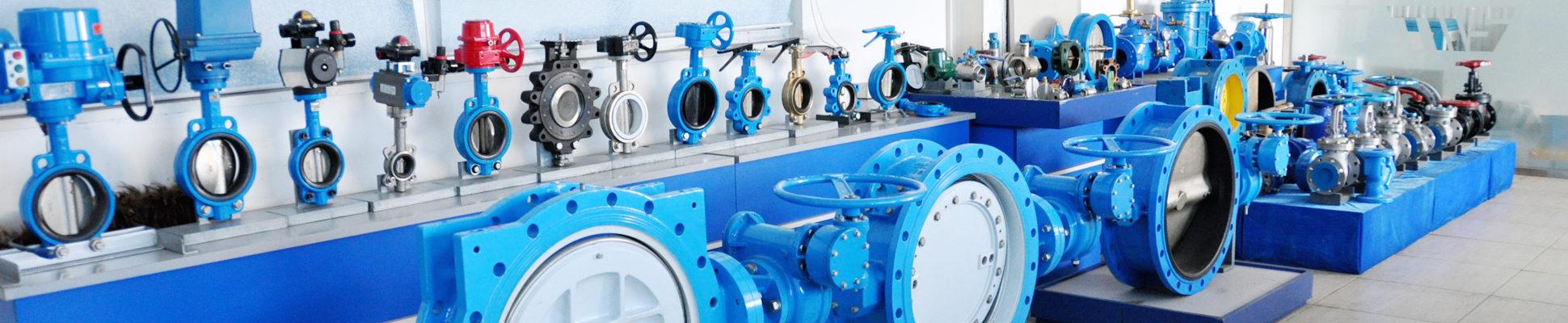
1. Why do pipelines need to be equipped with air release valve?
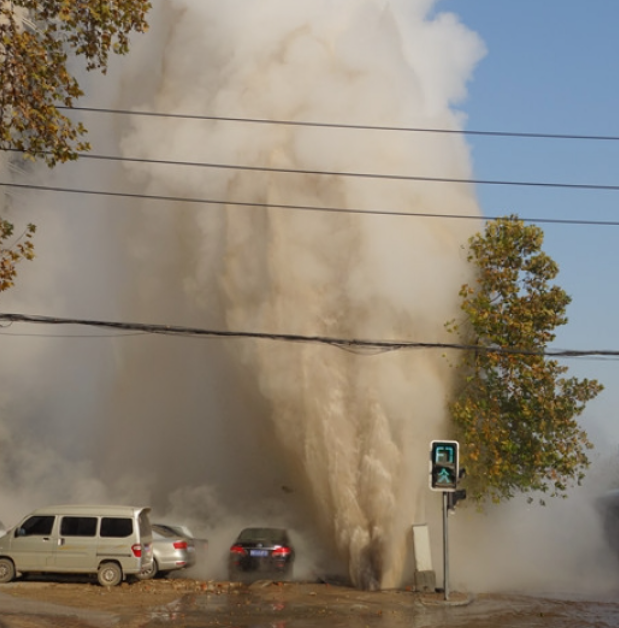
When pipes are filled with water, run, or drained, air can accumulate inside them. If it is not discharged, “air blockage” will be formed, which will reduce the water cross-section and increase energy consumption. In severe cases, it may cause water hammer and cause the pipe to burst; if the air is not replenished during emptying, the negative pressure in the pipe may collapse the pipe. The function of the air release valve is to exhaust air, replenish air, prevent air blockage, and prevent water hammer. It is an important guarantee for the safe operation of pipelines.
2. What are the structures of the three air release valve?
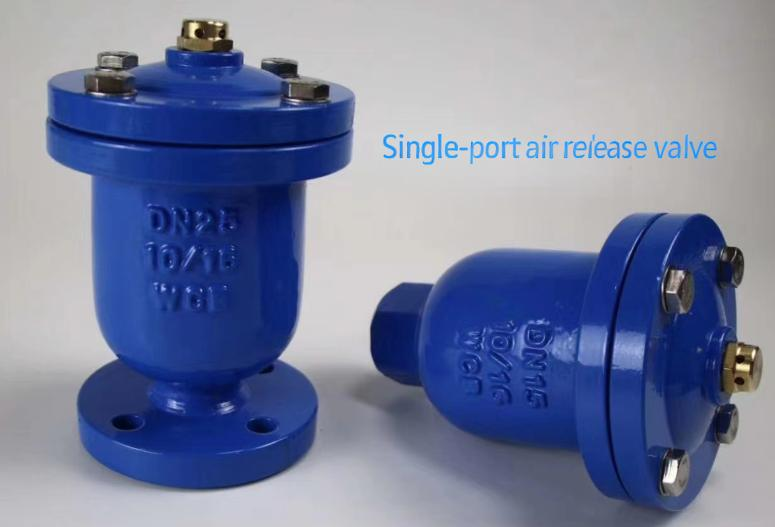
- Single-port air release valve: It is mainly composed of a valve body, a float (or float), a lever mechanism and a small-diameter exhaust hole (about 1 to 3 mm). It has the simplest structure and has no suction function.
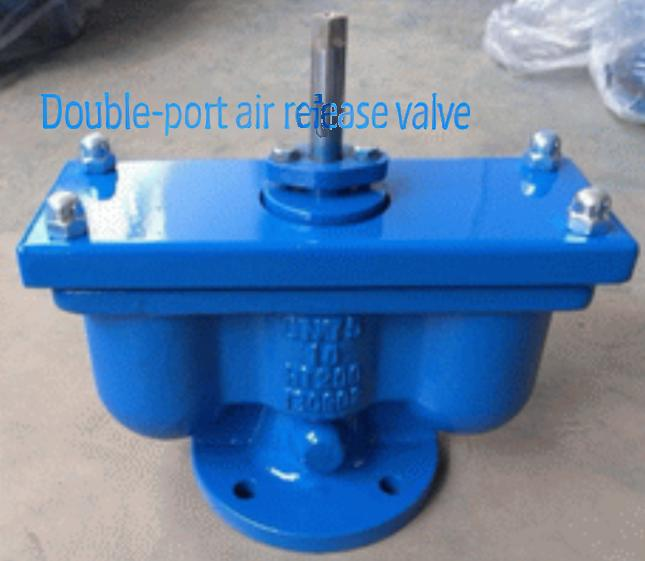
- Double-port air release valve: A large-diameter exhaust hole is added to the single-port valve to form two large and small exhaust ports. The large hole is equipped with a quick opening and closing mechanism and has an air suction function.
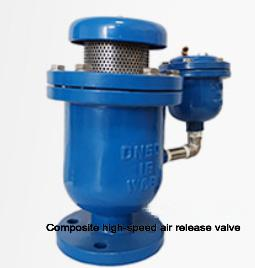
- Composite high-speed air release valve: The interior adopts a double float or split float plus deflector design. The large exhaust port is equipped with a special anti-blowing and blocking structure, which can stably open under high-speed airflow.
3. What are the differences in the operating principles of the three air release valve?
- Single-port air release valve: When there is no air or little air, the float floats up to close the exhaust port; when gas accumulates at the top of the valve and the water level drops, the float falls and opens a small hole for exhaust. It can only discharge trace amounts of gas at a low speed, cannot exhaust quickly, and cannot inhale.
- Double-port air release valve: When the pipeline is filled with water, a large amount of air is quickly discharged from the large hole; when the gas is nearly exhausted, the large hole closes and turns to small holes to discharge residual gas; when the pipeline is emptied or negative pressure is generated, the large hole sucks in air to prevent negative pressure.
- Composite high-speed air release valve: The function is similar to the double-port valve, but the key difference is that even if the gas flow rate in the pipe is extremely high (more than 150 meters per second), the large hole will not be blocked by the air flow in advance, and it can continue to exhaust the gas at a high speed until the gas is completely exhausted, and then seal reliably.
4. What are the core functional differences between the three types of valves?
From a functional point of view, all three types of valves can discharge trace amounts of gas during operation, which is what they have in common. But there are obvious differences in other aspects: the single-port air release valve does not have the ability to exhaust a large amount of gas quickly when filling with water, nor can it inhale to prevent negative pressure when emptying; the double-port air release valve can exhaust a large amount of gas quickly and can inhale to prevent negative pressure, but it cannot avoid blowing and clogging under high-speed airflow; the composite high-speed air release valve has the ability to exhaust a large amount of gas quickly, inhale to prevent negative pressure, and prevent blowing and clogging.
In terms of structural complexity and price, single-port air release valve are the lowest, double-port air release valve are in the middle, and composite high-speed air release valve are the highest.
5. Which scenarios are they applicable to?
- Single-port air release valve: suitable for small-diameter pipelines, local high points of pipelines, filters, terminal devices and other locations where only trace amounts of gas need to be discharged.
- Double-port air release valve: Suitable for medium and short distance water delivery, general industrial plants, small and medium-sized pumping stations and other scenarios that require rapid exhaust and suction protection.
- Composite high-speed air release valve: suitable for long-distance, high-undulation, large-diameter water transmission projects, and high-flow pipelines. It can completely solve the hidden danger of blowing and clogging of ordinary exhaust valves, and is the first choice for large water supply projects.
6. What key problems does the composite high-speed exhaust valve solve?
Ordinary air release valve (including single-port and double-port) have a common hidden danger when filling with water for the first time: when the gas flow rate in the pipe is too fast, the air flow may directly blow up the float ball and block the exhaust port, resulting in a large amount of air that cannot be discharged, and air masses remaining in the pipe. This not only affects the water supply flow, but can also easily cause water hammer to burst during subsequent maintenance or water outage. The composite high-speed air release valve completely avoids blowing and clogging by optimizing the fluid structure, ensuring complete exhaust and safe operation.
Post time: Jul-03-2026


