
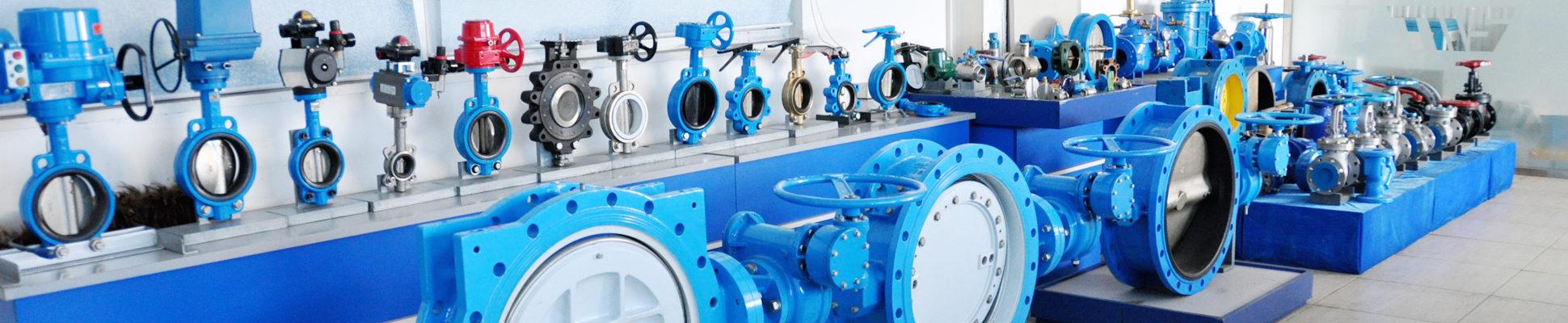
In the pipeline design of industrial and civil buildings, the selection of valves is directly related to the efficiency, safety and economy of the entire fluid delivery system. Faced with the dazzling variety of valves on the market, how to choose them scientifically has become the focus of designers and engineers. For common core categories such as gate valves, butterfly valves, and check valves, the reporter interviewed relevant experts and combined them with the product lines of well-known companies in the industry such as TWS to sort out a set of practical selection guides.
The first principle of valve selection is to “clear the working conditions and customize production according to needs.” Designers need to comprehensively consider the characteristics of the medium in the pipeline (such as corrosiveness, cleanliness), working pressure and temperature, connection method, and valve opening and closing frequency.
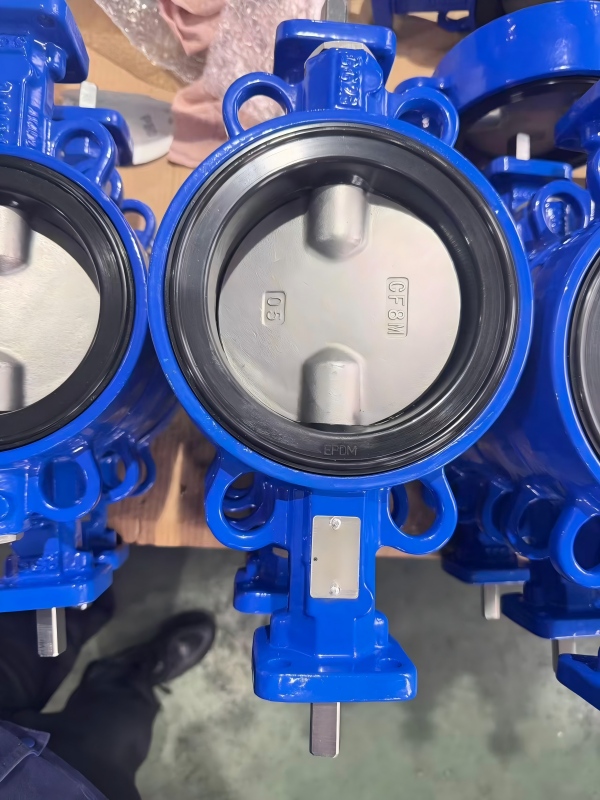
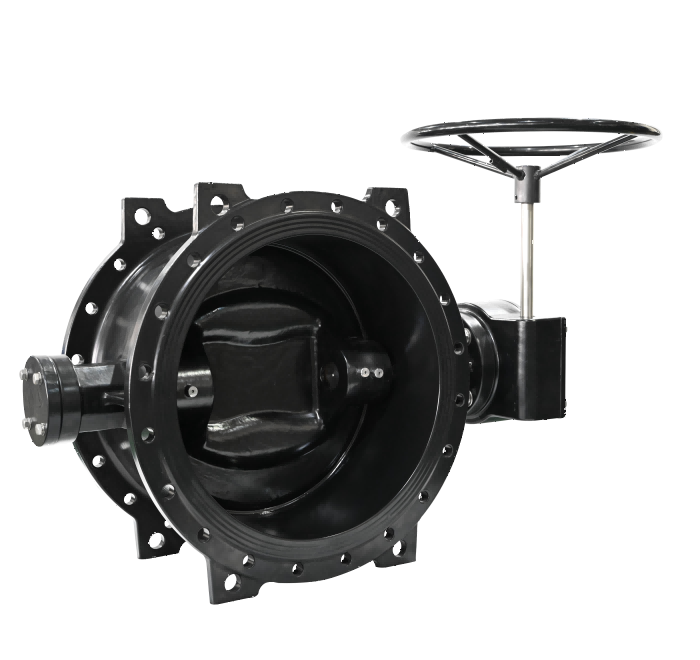
Among various types of valves, butterfly valves are widely used in large-diameter pipelines due to their compact structure, light weight and low fluid resistance. They are especially suitable for flow regulation and cutoff in water supply and drainage, HVAC and other systems. For example, in water treatment projects with high sealing requirements, soft-sealed eccentric butterfly valves are an economical choice; but in harsh working conditions with high temperature and pressure or medium containing trace solid particles, designers need to have in-depth communication with the valve supplier’s technical department to jointly determine the temperature resistance grade and wear allowance of the sealing material, so as to select the most suitable special butterfly valve for the working conditions.
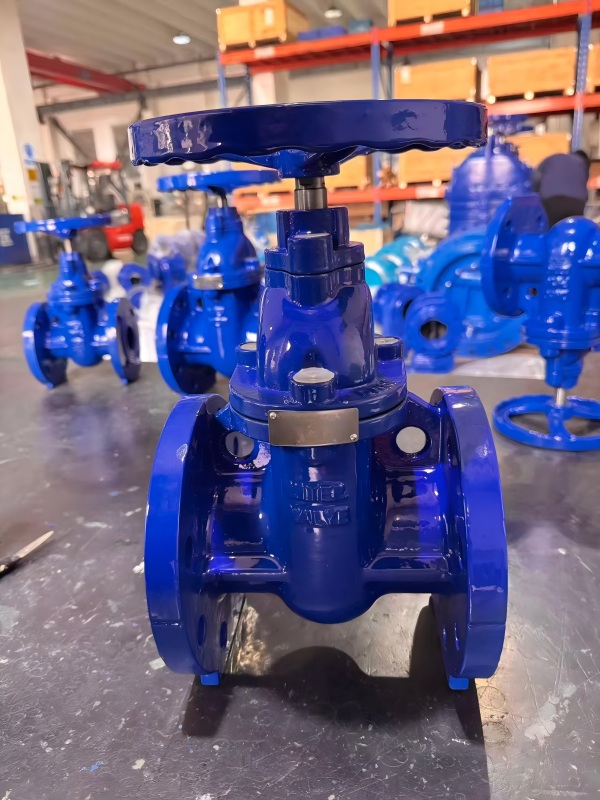
In contrast, gate valves have low fluid resistance and unrestricted medium flow when fully open. They are mainly used in situations where the pipeline needs to be kept open or completely cut off, such as on main pipelines of steam, oil and other media. However, experts remind that gate valves are not suitable for flow regulation and should be used with caution in media prone to coking.
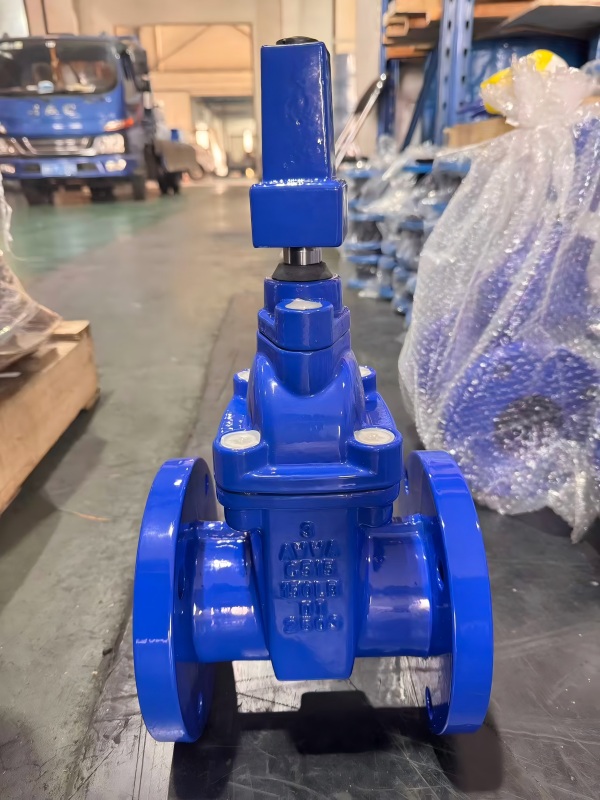
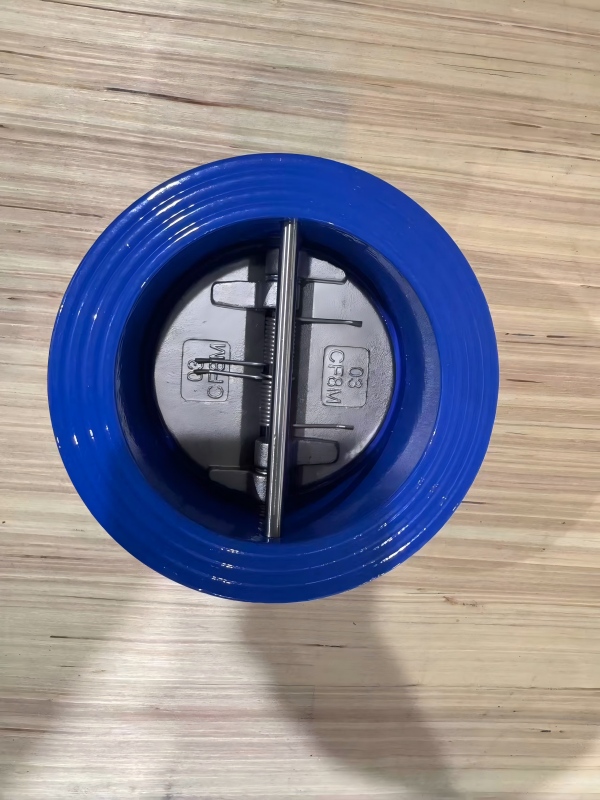
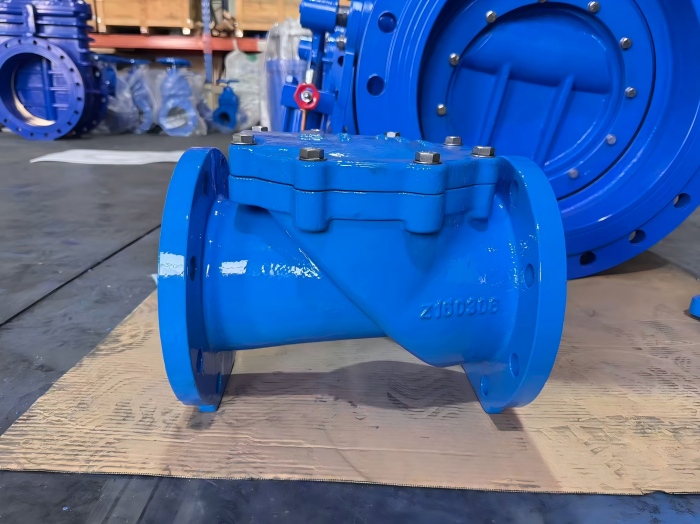
As a key component to ensure system safety, the selection of check valves cannot be ignored. Its core function is to prevent medium backflow and avoid damage to water pumps and equipment due to water hammer impact. When selecting, the structure needs to be determined based on the pipe diameter: small-diameter pipes can choose lift-type check valves, while large-diameter pipes are more suitable for swing-type or wafer-type check valves. For occasions where water hammer impact is required to be reduced, such as the outlet of a water pump, slow-closing check valves should be preferred.
In terms of valve brand selection, the rise of domestic manufacturing has provided a solid backing for the market. Take TWS, headquartered in Tianjin, as an example. As a national high-tech enterprise, the company’s product line has covered centerline butterfly valves, flange butterfly valves, gate valves, micro-resistance slow-closing check valves and other series, with an annual production capacity of more than 5,000 tons. It is widely used in water supply and drainage, electric power, petrochemical and other fields, and is sold overseas. Its strict ISO9001 quality system certification also provides guarantee for product stability. Welcome to consult Tianjin Tanggu Water-Seal Valve Co,.Ltd.
Post time: Mar-19-2026


