
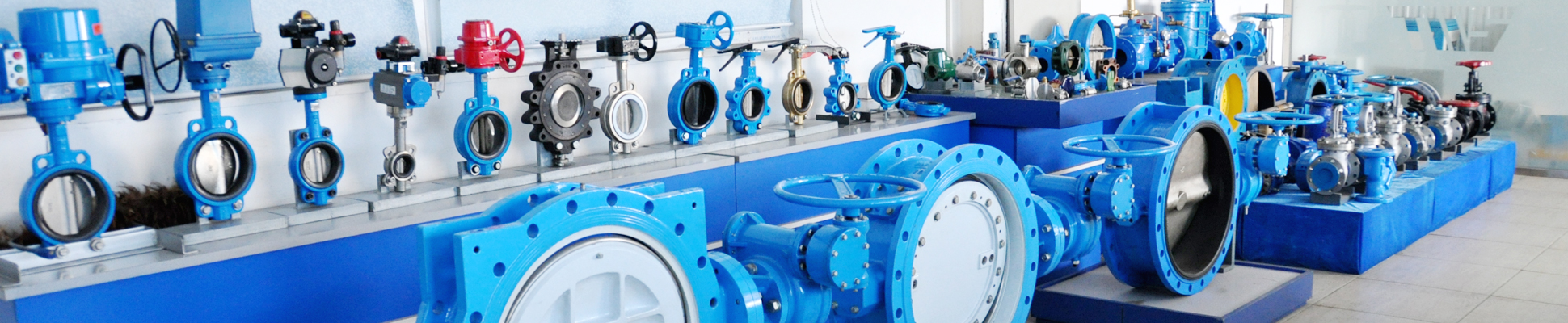
Sewage treatment valve selection is directly related to the efficiency, stability and cost of the system. In terms of efficiency, for example, in the dosing process, the valve adjustment accuracy is not enough, and the dosing amount is easy to deviate; in terms of stability, if the check valve is not selected well, the water pump may be damaged due to backflow; cost control must also be paid attention to, and the material is selected too high, often resulting in unnecessary waste.
I. Common Water Treatment Valves
1. Cut-off Valves
Used to control the on/off state of water flow, these are the most basic type of valve in the system, requiring reliable opening/closing and good sealing performance.
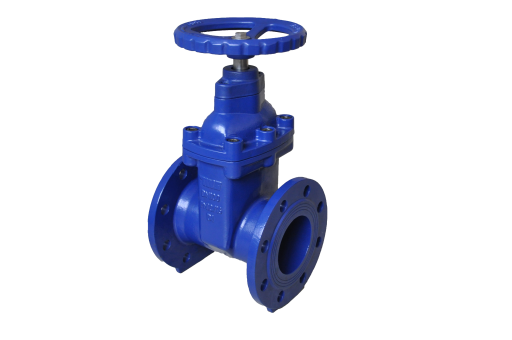
Structural features: The valve stem drives the gate plate to rise and fall vertically along the axis of the valve body to achieve full opening or full closing. Common structural forms include the rising stem type (the valve stem rises and falls with the gate, making it easier to observe the opening) and the concealed stem type (the valve stem rotates but does not rise or fall, suitable for scenarios with limited installation space). The gate types are divided into wedge-type single gate, wedge-type double gate and parallel gate. Among them, the wedge-type double gate can compensate for the wear of the sealing surface. The flow channel is full diameter with extremely small flow resistance.
Applicable scenarios: large-diameter pipelines (DN50 and above) and situations that require full-diameter circulation (such as raw water pipes, clean water main pipes, water pump suction pipes). It is not suitable for frequent opening and closing or flow adjustment, otherwise it will easily cause sealing surface wear and gate jamming.
Ball Valves
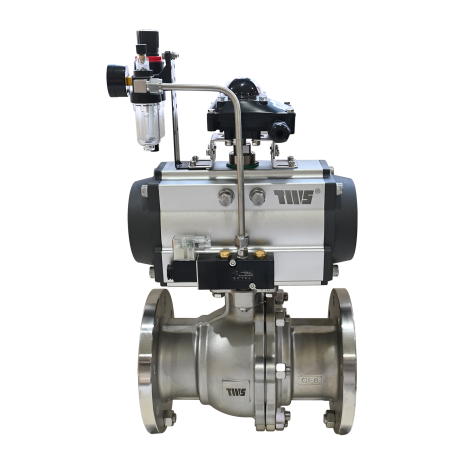
Structural features: The ball rotates 90° around the axis to achieve on-off and rapid opening and closing (usually 3-5 seconds for small-diameter manual operation). According to the ball support method, it is divided into floating ball type (suitable for DN200 and below) and fixed ball type (suitable for large diameter and high pressure difference working conditions). The sealing seat is mostly made of polytetrafluoroethylene (PTFE) or reinforced polytetrafluoroethylene (RPTFE). Some metal hard-sealed ball valves are suitable for high temperature or medium containing particles. The flow resistance is small and is basically the same as the inner diameter of the pipe when fully open.
Applicable scenarios: small and medium diameter pipelines (DN15-DN300), occasions that require frequent opening and closing or rapid cutting (such as dosing pipes, circulating water pipes, filter inlets and outlets), among which the V-shaped ball valve has a certain adjustment function and can be used for flow adjustment.
Globe Valves
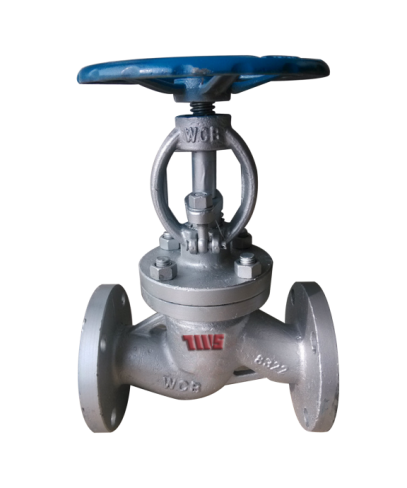
Structural Features: The disc moves linearly back and forth along the seat axis, changing the cross-sectional area of the flow path to achieve on/off control. The flow path is S-shaped; media flow direction is typically low-in/high-out. Flow resistance is relatively high, but sealing performance is good, with leakage classes reaching high standards when closed (e.g., ANSI Class V or higher). Disc types include flat seal and cone seal; the former is suitable for low pressure, while the latter offers superior sealing performance.
Application Scenarios: Small-diameter pipelines (below DN50), applications requiring precise isolation or low-pressure conditions (such as instrument lines, sampling lines, and small water supply pipes). Not suitable for media with high suspended solids content, as this can easily cause sticking between the disc and seat.
2. Regulatory Valves
Used to regulate flow rate, pressure, or level, requiring good regulation precision, flow characteristics, and stability.
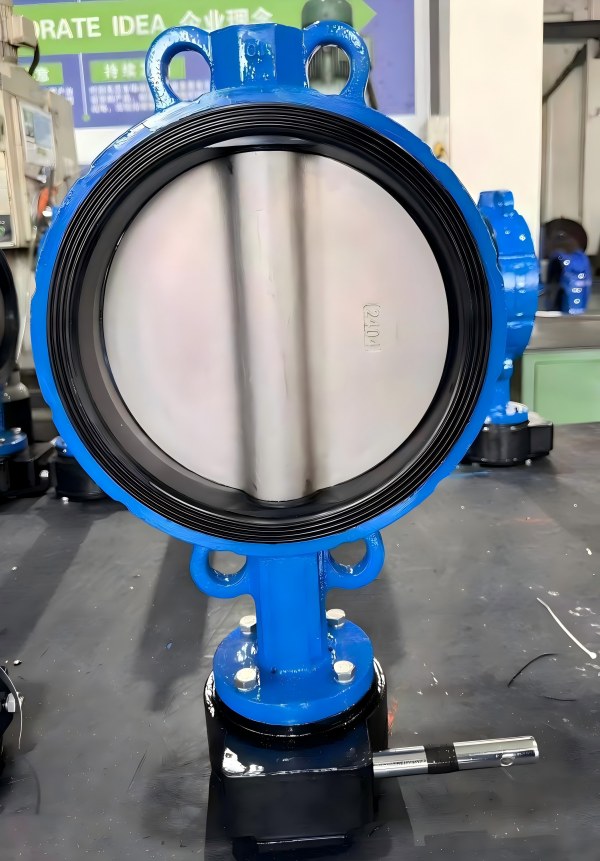
Structural Features: The disc-shaped valve element (butterfly disc) rotates around the valve shaft (0-90°) to adjust the opening. The valve body has a compact structure, short axial dimension, and light weight. Classified by the connection method between the valve shaft and butterfly disc into wafer type (clamped between two flanges with bolts, suitable for small to medium diameters), lug type (one side removable, facilitating maintenance at one end of the pipeline), and flanged type (suitable for large diameters or high-pressure conditions). Butterfly disc structures are divided into concentric (valve stem located at the center of the disc, suitable for low pressure) and eccentric types (single, double, and triple offset). Triple-offset butterfly valves use metal hard sealing and are suitable for high-temperature, high-pressure, and high-wear conditions.
Application Scenarios: Large-diameter pipelines (DN100 and above), applications requiring large flow regulation (such as sedimentation tank inlet adjustment, aeration tank air/water volume adjustment, and wastewater treatment plant final effluent pipelines). They are the primary type of control valves in water treatment systems. The flow characteristic curve approximates equal-percentage characteristics, making them suitable for applications with wide-range flow variations.
Regulating Valves
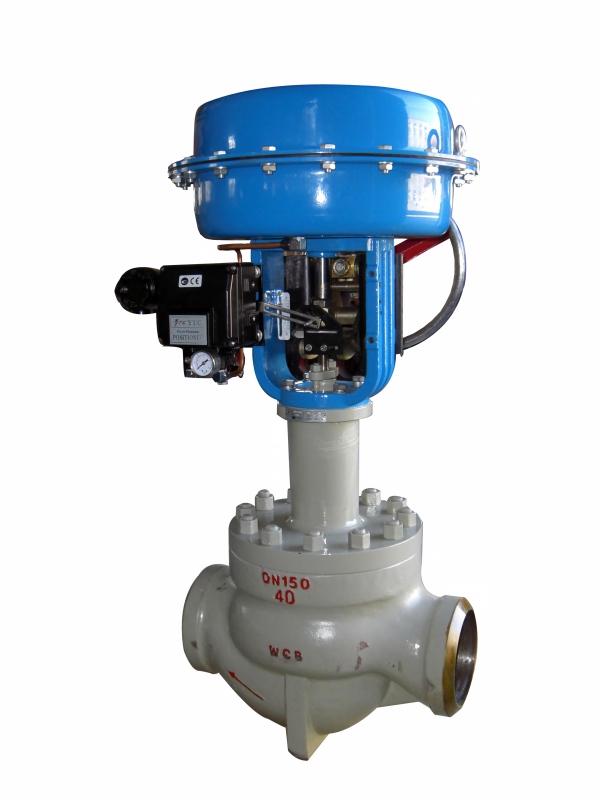
Structural Features: Composed of a valve body assembly and an actuator. Common valve body forms include single-seat control valves (high leakage class, suitable for small diameters), cage-guided control valves (balanced structure, suitable for high differential pressure), and double-seat control valves (high flow capacity, but relatively higher leakage rate, typically ANSI Class II-III leakage class). Actuators are classified into electric (suitable for locations without air supply, slower response speed), pneumatic (fast response speed, requires air supply and positioner), and self-operated (no external energy required, driven by the medium’s own pressure or temperature).
Application Scenarios: Applications requiring precise regulation, such as chemical dosing flow control in dosing systems (electric control valves), pressure regulation in constant-pressure water supply systems (self-operated pressure control valves), and inlet flow/pressure stability control in reverse osmosis systems (pneumatic control valves).
3. Check Valve Category
Used to prevent reverse fluid flow, avoiding pump dry running, media contamination, or system pressure fluctuations. Selection requires attention to cracking pressure, closing impact, and flow resistance coefficient.
Swing Check Valves
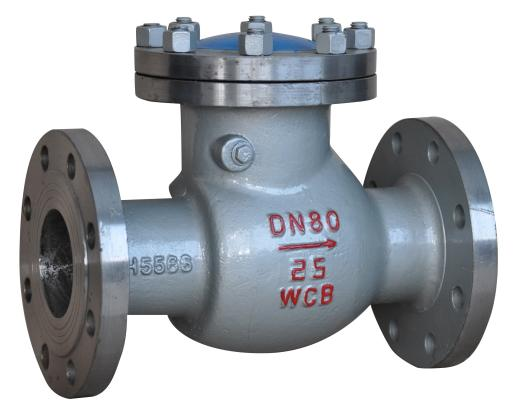
Structural Features: The disc rotates around a hinge pin on the valve body to achieve automatic opening and closing. The disc and seat sealing surfaces are arranged at an angle or vertically. Single-flap designs are suitable for low to medium flow velocities, offering clear flow paths and strong flow capacity.
Application Scenarios: Pump discharge pipelines (to prevent backflow causing pump reversal during shutdown), large-diameter clean/sewage pipelines (DN100 and above).
Lift Check Valves
Structural Features: The disc moves vertically along the valve body axis to open and close. The medium flow direction must align with the valve body markings; straight-through lift check valves typically have bottom-in/top-out flow. The disc and seat sealing surfaces are flat or conical, providing good sealing performance but resulting in higher flow resistance and longer travel distance.
Application Scenarios: Small-diameter clean water pipelines (below DN50), instrument lines, or pipelines with high sealing requirements (such as pure water systems). Not suitable for high flow velocities or frequently fluctuating conditions.
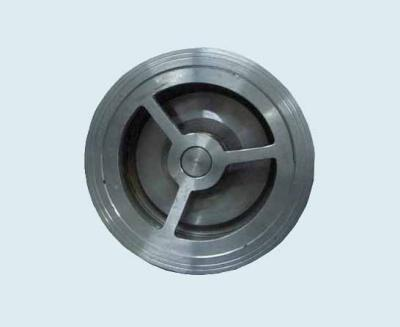
Wafer-Type Butterfly Check Valves
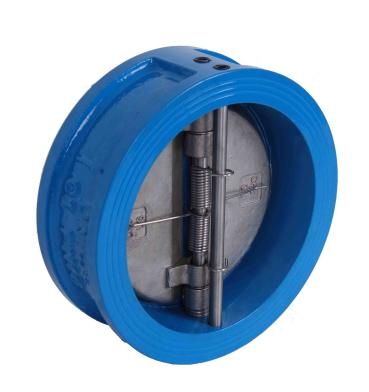
Structural Features: Features a thin wafer-type valve body. The butterfly-shaped disc opens and closes around the valve shaft (mostly eccentric structure). The flow path is smooth with a low flow resistance coefficient (relatively high Kv value; for the same diameter, the flow resistance coefficient is approximately 50%-70% that of swing check valves). The overall weight is reduced by more than 40% compared to flanged swing check valves of the same diameter. Double-flap structures have short closing strokes and low water hammer impact.
Application Scenarios: Small to medium-sized water treatment pipelines, particularly suitable for applications with limited installation space, media containing small amounts of suspended solids, or where low resistance and backflow prevention are required, such as reverse osmosis system concentrate pipelines, ultrafiltration system permeate pipelines, and pump outlets.
Silent Check Valves (Spring-Assisted)
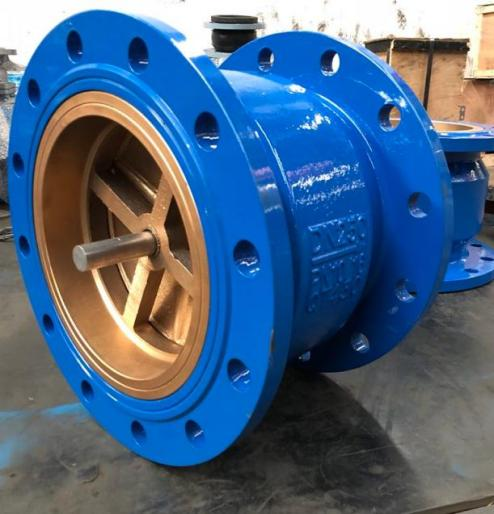
Structural Features: Built-in spring assists the disc in rapid closing; the short disc stroke effectively reduces water hammer impact. The valve body typically adopts a Y-type or straight-through structure with smooth flow paths.
Application Scenarios: Systems sensitive to water hammer (such as high-rise building water supply, precision equipment water supply) and applications requiring low noise at pump outlets.
4. Special Function Valve Category
Designed for specific process requirements in water treatment systems, featuring specialized functions and targeted structures.
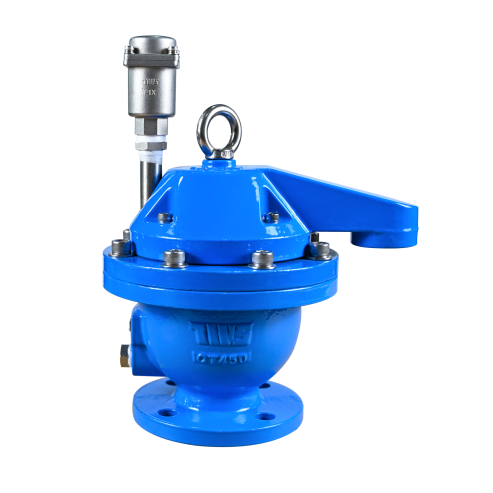
Structural Features: Automatic air release valves control the opening and closing of the vent via a float ball or lever mechanism. When air accumulates in the pipeline, the float drops and the vent opens; once the air is exhausted, the float rises to close the vent. Combination air release valves discharge large volumes of air during pipeline filling and continuously release trace amounts of evolved gases during operation. Manual air vents are mostly used for periodic venting at high points of equipment.
Application Scenarios: Pipeline high points (such as tops of clean water pipelines), pump suction inlets (to exclude air and prevent cavitation), tops of water treatment equipment (such as filters, tanks), and hump positions in long-distance water transmission pipelines.
Pressure Reducing Valves
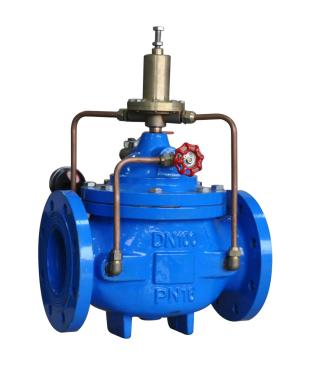
Structural Features: Reduces high-pressure fluid to a set pressure via internal throttling devices, automatically adjusting the throttling opening based on outlet pressure feedback to maintain stable outlet pressure. Common forms include piston-type, diaphragm-type, and pilot-operated pressure reducing valves. Pilot-operated valves are suitable for large-diameter, high-flow conditions and offer higher pressure regulation accuracy.
Application Scenarios: Applications requiring stable low pressure, such as chemical dosing pipelines in dosing systems (reducing high-pressure chemicals to equipment-tolerable pressure), domestic water supply pipelines (reducing municipal high pressure to safe user pressure), and inlet pressure stabilization in reverse osmosis systems.
II. Special Wastewater Treatment Valves
In wastewater treatment systems, certain valve types have specialized uses or design focuses due to process characteristics. Their structure and selection must adapt to features such as high solid content, corrosive gases, and frequent operation.
Channel Gates
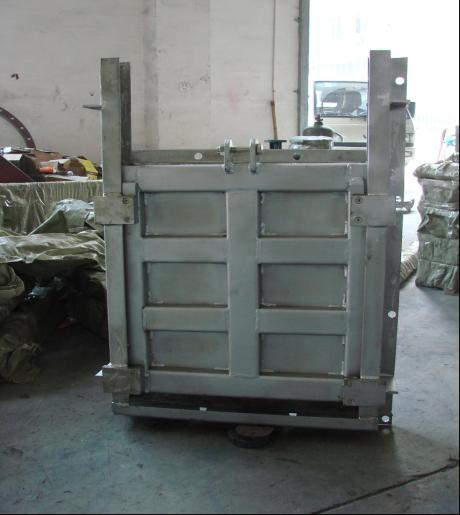
Structural Features: Typically made of cast iron or stainless steel, with rubber or copper sealing strips between the gate plate and frame. Opened and closed via screw rods, with operation methods including handwheel, electric, or hydraulic. Suitable for open channels or tank inlets/outlets, capable of withstanding certain water pressure (typically corresponding to 0.02-0.1 MPa head pressure).
Application Scenarios: Inlet or outlet control for structures such as wastewater treatment plant intake basins, grit chambers, oxidation ditches, and secondary clarifiers. Often used as isolation or control equipment. When selecting, attention must be paid to the compatibility between gate width and channel dimensions, as well as the sealing type (double-sided or single-sided sealing).
Knife Gate Valves
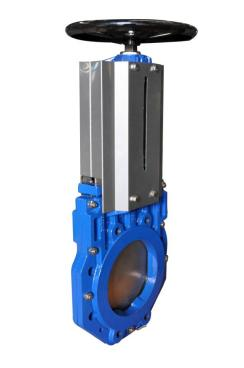
Structural Features: The gate has a sharp edge (blade) that can cut through fibrous or granular media when closing. Valve body structures are divided into wafer-type and flanged types, with full-bore flow paths that resist clogging. Sealing types are divided into soft sealing (rubber) and metal hard sealing (hardfaced with cemented carbide); the former is suitable for low-pressure media with lower abrasiveness.
Application Scenarios: Sludge pipelines, reclaimed water pipelines, and process pipelines with high suspended solids content (such as after screens or primary clarifier sludge discharge), particularly suitable for applications requiring frequent opening and closing with complex media compositions. When selecting, attention must be paid to the gate material (stainless steel with wear-resistant treatment) and whether the sealing structure has self-cleaning capabilities.
III. Material Selection for Water Treatment Valves
In water treatment scenarios, fluids may contain acidic or alkaline substances (such as acidic wastewater, softened brine), chloride ions (such as seawater, municipal sewage), and suspended solids (such as raw water, sludge). Material selection must meet requirements for corrosion resistance, wear resistance, and sealing performance. Improper material selection will lead to valve body perforation, seal failure, or sticking of moving parts.
Valve Body Materials
Ordinary clean water/municipal sewage: Gray cast iron (e.g., HT200, HT250) is suitable for low-pressure, ambient temperature conditions and is cost-effective; ductile iron (QT450-10) offers superior strength and toughness compared to gray cast iron, making it suitable for medium-to-high pressure large-diameter pipelines and vibrating environments.
Corrosive fluids: Stainless steel 304 is suitable for general acidic/alkaline and low-chloride environments (Cl⁻ concentration <200 mg/L); Stainless steel 316L contains molybdenum, offering better resistance to chloride pitting corrosion, making it suitable for seawater, high-chloride wastewater (Cl⁻ concentration >500 mg/L), and pharmaceutical pure water systems. PVC/PP/UPVC plastic valve bodies are low-cost and corrosion-resistant but have lower pressure ratings (typically below PN10) and narrow temperature ranges (0-50°C), making them suitable for low-pressure small-diameter corrosive pipelines.
Sludge/high-suspended-solid fluids: Wear-resistant cast iron (e.g., high-chromium cast iron) is suitable for sludge pipelines with high sand content; rubber-lined valve bodies (lined with hard or semi-hard rubber) combine corrosion resistance and wear resistance, suitable for media containing abrasive particles; PTFE-lined valve bodies (lined with polytetrafluoroethylene) are suitable for strong acid/alkali applications where metal contamination prevention is required.
High-temperature/high-pressure conditions: Cast steel (WCB) is suitable for high-temperature (≤425°C) steam or hot water systems; forged steel is suitable for high-pressure small-diameter pipelines.
Trim Materials
Valve trim includes moving parts such as stems, discs, balls, seats, and sealing surfaces. Their material selection directly affects the valve’s operating torque, sealing life, and corrosion resistance.
Stem: Commonly uses 2Cr13 (martensitic stainless steel, suitable for clean water and low-corrosion media), 304/316L (austenitic stainless steel, suitable for corrosive media), and 17-4PH (precipitation-hardening stainless steel, suitable for high-pressure, high-wear applications).
Sealing Surface (Soft Seal): Nitrile Butadiene Rubber (NBR) is oil-resistant and wear-resistant, suitable for clean water and oils, but not resistant to high temperatures or strong oxidizers; Ethylene Propylene Diene Monomer (EPDM) is acid/alkali-resistant, ozone-resistant, and heat-resistant up to 120°C, suitable for sewage and chemical dosing pipelines; Fluorocarbon Rubber (FKM) is heat-resistant (≤200°C) and resistant to strong acids/alkalis, suitable for harsh chemical media; Polytetrafluoroethylene (PTFE) is highly corrosion-resistant with a low friction coefficient, suitable for strong acids/alkalis and applications requiring low operating torque, but has poor wear resistance.
Sealing Surface (Metal Hard Seal): Hardfacing with Stellite alloy is suitable for high-temperature, high-pressure, and high-wear conditions (such as triple-offset butterfly valves, high-temperature ball valves); stainless steel hardfacing is suitable for particle-containing media at medium-to-low temperatures.
Linings & Coatings
For carbon steel or cast iron valve bodies, corrosion resistance can be improved and material costs reduced through linings or coatings.
Rubber lining: Lined with EPDM, NBR, neoprene, etc., suitable for sewage, seawater, and weak acidic/alkaline media.
Fluoropolymer lining: Lined with PTFE, PFA, FEP, suitable for strong acids, strong alkalis, organic solvents, and high-purity media.
Epoxy coating: Epoxy resin applied to the outer surface of the valve body for anti-corrosion; coating alone is not recommended for wetted parts.
IV. Selection of Water Treatment Valves
Valve selection requires a comprehensive consideration of process system requirements, fluid characteristics, installation environment, and full lifecycle costs, focusing on the following dimensions:
1. Matching Operating Parameters
Pressure rating: Select pressure ratings such as PN10, PN16, PN25 (PN denotes nominal pressure) based on pipeline design pressure and potential pressure fluctuations, ensuring it is no lower than the maximum working pressure of the system. Valves at pump outlets should account for pressure surges during pump start-up and shutdown.
Temperature range: Conventional water treatment operates at ambient temperature (0-60°C). When involving hot water disinfection (≤95°C), industrial wastewater cooling water, or high-temperature steam tracing, materials resistant to high temperatures (such as WCB valve bodies, metal seals, and high-temperature-resistant seal rings) must be selected. In low-temperature environments (<0°C), anti-freezing measures and the impact toughness of valve body materials at low temperatures must be considered.
Flow rate and speed: For control valves, the rated flow coefficient (Kv value) should match system requirements. The design opening is typically controlled between 30%-80% to avoid dead zones caused by oversized valves or excessive resistance caused by undersized valves.
2. Adapting to Fluid Properties
Corrosiveness: Select valve body and wetted part materials based on medium composition (pH value, chloride ion concentration, oxidizing properties). When chloride ion concentration exceeds 200 mg/L, 304 stainless steel is not suitable; 316L or higher grades should be selected. For strongly oxidizing media (such as sodium hypochlorite), ordinary rubber seals should be avoided; PTFE or fluorine rubber is preferred.
Suspended solids and abrasiveness: For media containing sand, mud, or fibrous impurities, structures with smooth flow paths and no dead zones (such as ball valves, butterfly valves, knife gate valves, pinch valves) should be selected. Avoid structures with narrow flow paths or cavities prone to accumulation (such as globe valves, plug valves). Sealing surfaces should use wear-resistant materials (such as cemented carbide, wear-resistant rubber), and the erosion resistance of valve body and internal component materials should be considered.
Hygiene requirements: Drinking water, pure water, and water for injection systems should use valves that are free of dead zones, easy to clean, and do not leach metal ions, such as sanitary ball valves and diaphragm valves. Materials should be 316L, with polished surfaces (Ra ≤ 0.8 μm), using clamp connections.
3. Control Methods and Actuators
Manual operation: Suitable for infrequent operations or local control applications. The size of the handwheel should consider the opening/closing torque; large-diameter valves should be equipped with worm gear reduction mechanisms.
Automatic control: Select the type of actuator based on control precision, response speed, air supply conditions, and power supply conditions.
Electric actuators: Suitable for locations without air supply or requiring remote control. They can output switch signals or analog regulation signals. Considerations include power voltage (AC220V, AC380V, DC24V), protection rating (selected according to installation environment; outdoor or humid environments should be no less than IP65), and regulation accuracy.
Pneumatic actuators: Fast response speed, suitable for frequent regulation applications. They require solenoid valves, positioners, and air filter regulators, and air quality must be guaranteed (free of water and oil). Double-acting actuators are suitable where spring return is not required; single-acting actuators (spring return) provide fail-safe functions (fail-open or fail-close).
Hydraulic actuators: Suitable for high-thrust, high-reliability applications (such as large Channel Gates and sludge discharge valves), requiring hydraulic stations and control systems.
4. Installation and Maintenance Considerations
Installation space and connection methods: When space is limited, prioritize wafer-type, butterfly, or short structural length valves (such as Wafer Butterfly Valves, Wafer Check Valves). Connection methods include flange connections (suitable for large diameters and high pressures, easy to disassemble), wafer connections (compact structure, lightweight), threaded connections (suitable for small diameters), welded connections (suitable for high temperature/high pressure or leak-sensitive applications, but inconvenient for maintenance), and clamp connections (suitable for sanitary grade and quick-disassembly applications).
Opening/closing frequency and lifespan: For frequent opening/closing applications, prioritize valve types with high cycle life, such as ball valves. Although Knife Gate Valves can be used for frequent operations, their seat lifespan needs to be evaluated in conjunction with medium conditions. Gate valves, globe valves, etc., are not suitable for high-frequency operations as they easily cause wear on sealing surfaces.
Maintenance convenience: Choose valve structures that are easy to disassemble, have replaceable seals, and strong spare part commonality. Flanged connections are preferred over welded connections; when disassembling wafer-type valves, attention must be paid to pipe fixation. During valve selection, it is advisable to prioritize the same brand and product series to facilitate spare parts management and maintenance.
5. Corrosion Protection and Protective Design
External corrosion protection: For valves installed outdoors, consider the weather resistance and UV resistance of external coatings on the valve body (epoxy resin, polyurethane). In coastal areas or corrosive gas environments, stainless steel valve bodies should be selected or external coating thickness increased.
Electrochemical corrosion: When connecting different metal materials (e.g., stainless steel valve body with carbon steel pipe flanges), insulation gaskets should be considered or direct contact avoided to prevent galvanic corrosion.
Anti-clogging design: In media containing impurities, select structures with smooth flow passages free of protrusions and stagnant cavities within the valve body. Avoid dead zones where debris can accumulate in the internal cavity and at the valve seat.
Post time: Nov-28-2026


