
1. What exactly is WRAS certification? What does it have to do with drinking water safety?
WRAS is the abbreviation of “Water Regulations Advisory Scheme”. It is managed by the British Water Center and is the authoritative certification system in the field of drinking water safety in the UK. Its core aim is to prevent the waste, misuse, inappropriate consumption and contamination of drinking water – these are the four red lines clearly required by laws such as the UK’s Water Supply Systems (Water Fittings) Regulations 1999.
In layman’s terms: All products that come into contact with British residents’ drinking water (faucets, valves, pipes, seals, etc.) must pass WRAS certification to prove that they will not cause the water to taste or discolor, precipitate poisons, or breed bacteria. Although there is no law that stipulates that “a WRAS must be obtained before selling”, in fact, the water company only recognizes the WRAS certificate when inspecting the water supply. Without it, it means that the water supply qualification is not obtained.
2. Which products require WRAS certification? Does it matter as long as it comes into contact with water?
Simple rule: All non-metallic materials and finished products that come into contact with drinking water are covered. Includes:
- Faucets, mixers – the most typical products
- Valves, water meters, anti-backflow devices – key components of the pipeline system
- Pipes and fittings – including plastic pipes and rubber seals
- Sanitary appliances, washing machines and dishwashers – appliances involved in water intrusion
- Water pumps, vehicle cleaning equipment, etc.
Note: Certification is divided into two parts: material certification and product certification – non-metallic materials (plastics, rubber, coatings, sealants, greases) must pass the BS 6920 test separately, and then they can be tested for mechanical properties together with the finished product.
3. What exactly does BS 6920 measure?
BS 6920 is the core testing standard for WRAS certification, specifically assessing the impact of non-metallic materials on water quality after contact with drinking water. A total of five items were tested:
- Odor and taste – after the material is soaked in water, the water should not have a strange or peculiar smell (tested with chlorine-containing and non-chlorine water respectively)
- Color and turbidity – water must not change color or become turbid, color increase ≤ 5 Hazen units, turbidity increase ≤ 0.5 FNU
- Microbial growth – Will the material “support bacteria”? Measured by mean dissolved oxygen difference (MDOD), the average value must be <1.7mg/L
- Metal precipitation – the concentration of dissolved metals (aluminum, antimony, etc.) cannot exceed the maximum allowable concentration
- Cytotoxicity test – will the extract harm human cells?
4. What does mechanical testing for product certification measure?
After the materials pass the test, the finished product must also pass the “mechanical performance test” – testing for pressure resistance, sealing, leakage prevention, backflow prevention, etc. according to the British or European standards corresponding to the product type. For example, faucets need to be tested for water pressure resistance and switch life; anti-backflow devices need to be tested for whether they can effectively block the return flow of contaminated water under negative pressure. This part is performed by a laboratory accredited by WRAS, and the test report is certified after being reviewed and approved by WRAS.
5. Conclusion
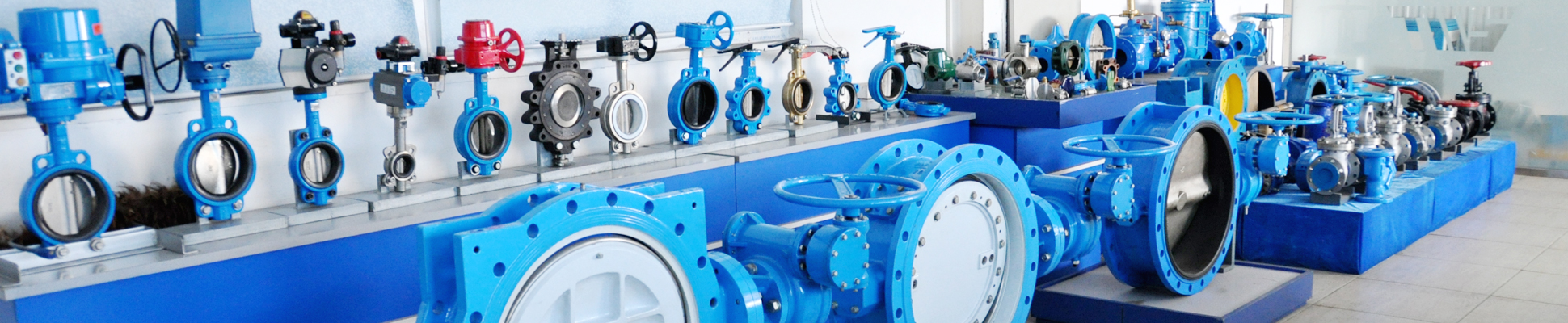
In the product matrix of Tianjin Tanggu Water-Seal Valve Co.,Ltd not only butterfly valves are suitable for drinking water systems, but gate valves and check valves have also obtained WRAS certification. This is our commitment to quality and our practical action to work with you to protect the safety of drinking water in the community.
Post time: Oct-21-2026


