
Featured Isolation & Control Systems
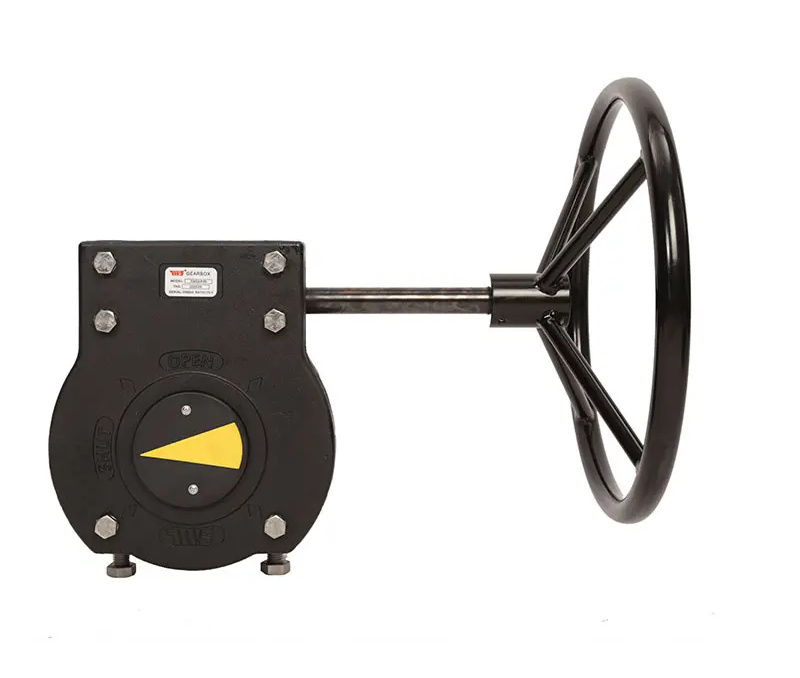
Worm Gear Actuators
High-efficiency manual worm gear actuators designed for robust torque transmission in industrial valves.
View Details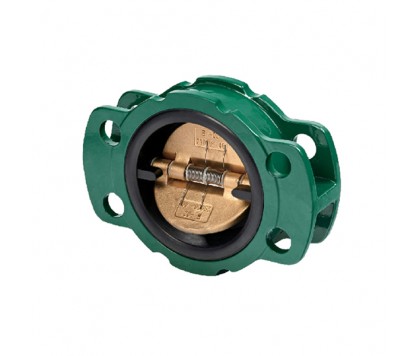
BH Series Dual Plate Check Valve
Compact dual plate wafer check valves providing reliable backflow prevention for chemical pipelines.
View Details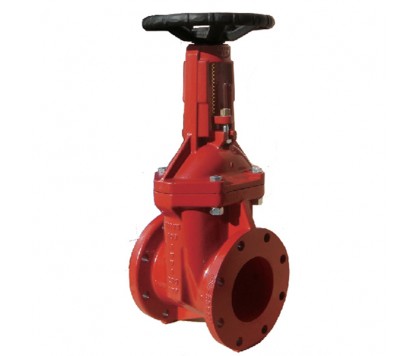
AZ Series Resilient Seated OS&Y Gate Valve
Heavy-duty rising stem gate valves featuring resilient seats for bubble-tight shutoff in water and chemical lines.
View Details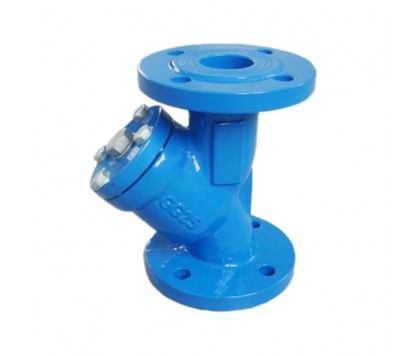
ANSI B16.10 Flanged Y Strainer
High-capacity Y-strainers designed to filter debris and protect downstream instrumentation in chemical media pipelines.
View DetailsNon Rising Stem Gate Valve For Chemical Media Isolation: The Industrial Standard
In modern chemical processing plants, fluid handling systems must manage highly aggressive, toxic, and volatile substances. Safe operation depends on isolating these media securely. The Non-Rising Stem (NRS) Gate Valve has emerged as a key component for chemical media isolation. Unlike traditional rising stem valves, the NRS configuration offers unique spatial and mechanical advantages that make it highly suitable for challenging chemical environments.
Tianjin Tanggu Water-Seal Valve Co., Ltd. (TWS Valve) designs and manufactures high-performance valves for water management, industrial processing, and chemical media isolation. Understanding the design details, application profiles, and market trends of NRS gate valves helps engineers optimize their pipeline systems for safety and long-term reliability.
Key Engineering Advantage
The rotating stem of an NRS gate valve remains stationary along the vertical axis. The internal gate moves up and down on the stem thread. This design eliminates the need for extended vertical clearance and protects the actuator threads from atmospheric corrosion, a common failure mode in chemical facilities.
Understanding the Mechanism of NRS Gate Valves in Chemical Applications
To understand why NRS gate valves are preferred for chemical media isolation, it is helpful to look at their internal engineering. Traditional Outside Screw and Yoke (OS&Y) valves feature a stem that rises as the valve opens, exposing the threaded section to the surrounding atmosphere. In a chemical plant, the air often contains acidic fumes, moisture, and chemical particulates. These contaminants can settle on exposed threads, causing corrosion and mechanical binding.
In contrast, the stem of an NRS gate valve only rotates. The internal wedge, which is clad in high-performance elastomers like EPDM or NBR, has an integrated brass or bronze nut that travels along the stem. The stem threads are housed within the valve body, protected from the external environment. While this means the stem is exposed to the internal process media, using corrosion-resistant alloys like 316 Stainless Steel, Duplex Steel, or specialized coatings prevents degradation from the process fluid.
Space-Saving Attributes
Chemical processing skids, offshore platforms, and underground pipe networks often have limited space. Because the stem of an NRS gate valve does not extend upward, the overall height of the valve remains constant during operation. This allows engineers to design tighter piping layouts and place valves in low-clearance areas where a rising stem valve would be blocked by overhead structures.
Why NRS Gate Valves Excel in Chemical Media Isolation
Isolating chemical media requires zero-leakage performance, low maintenance, and resistance to chemical attack. Resilient seated NRS gate valves meet these requirements through several key design features:
- Integral Rubber-Clad Wedge: The ductile iron wedge is fully encapsulated in high-grade vulcanized rubber. This ensures bubble-tight sealing at low and high pressures, preventing cross-contamination of isolated chemical lines.
- Reduced Stem Seal Wear: Because the stem only rotates and does not move axially through the packing, wear on the gland seals is minimized. This significantly reduces the risk of fugitive emissions—a critical factor for compliance with environmental regulations.
- Corrosion-Resistant Internals: Using materials like high-tensile brass, bronze, or stainless steel for the stem nut and stem ensures smooth operation even when exposed to harsh chemicals.
- Smooth, Unobstructed Flow Path: When fully open, the gate retracts completely, leaving a straight-through bore. This minimizes pressure drop and prevents the accumulation of chemical slurries or solids in the valve cavity.
Commercial and Industrial Status of Chemical Isolation Valves
The global industrial valve market is experiencing steady growth, driven by expansion in the chemical, petrochemical, and water treatment sectors. The demand for reliable media isolation has led to stricter performance standards, such as API 600, EN 1074, and ISO 9001 certifications. Manufacturers are shifting away from grey cast iron toward ductile iron and carbon steel to handle higher pressures and temperatures.
Environmental regulations regarding fugitive emissions (e.g., TA-Luft, EPA Method 21) have driven innovations in valve stem sealing. Modern NRS gate valves utilize multi-layer O-ring sealing systems and PTFE packing to prevent hazardous chemicals from escaping into the atmosphere. Industrially, there is a clear trend toward integrating smart actuators and monitoring systems with gate valves to enable predictive maintenance in automated chemical plants.
In-Depth Application Scenarios in Chemical Processing
1. Industrial Wastewater and Chemical Effluent Treatment
Chemical manufacturing processes generate complex wastewater streams containing acids, alkalis, solvents, and suspended solids. NRS gate valves are widely used to isolate these effluent lines. The resilient seating prevents solids from trapping under the wedge, ensuring a secure seal even in dirty fluids.
2. Cooling Water and Auxiliary Utility Lines
Chemical reactors require large-scale cooling water systems. These lines, often carrying treated water or seawater, require reliable isolation during maintenance. Resilient seated NRS gate valves provide an economical, high-performance solution for these auxiliary systems, preventing backflow and system pressure loss.
3. Acid and Alkali Distribution Systems
In fertilizer production, petrochemical refining, and specialty chemical synthesis, acids and bases must be isolated safely. NRS gate valves constructed with stainless steel stems and chemical-resistant elastomer wedges (such as Viton or EPDM) provide reliable isolation for these corrosive media.
Material Selection Tip
For highly acidic media, specify EPDM-clad wedges and 316 Stainless Steel stems. For hydrocarbon-based chemical media, NBR or FKM (Viton) cladding is recommended to prevent elastomer degradation and swelling.
Tianjin Tanggu Water-Seal Valve Co., Ltd.
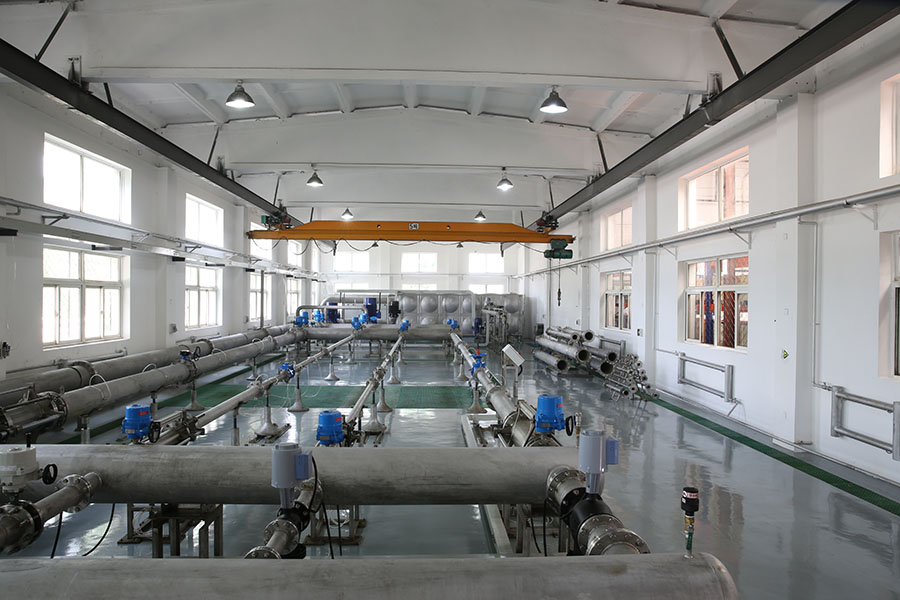
Tianjin Tanggu Water-Seal Valve Co., Ltd. (TWS Valve), established in 2003, is a professional manufacturer that integrates design, development, production, installation, sales, and service. We operate two modern manufacturing plants: one in Xiaozhan Town, Jinnan, Tianjin, and the other in Gegu Town, Jinnan, Tianjin. Over the years, we have become one of China's leading suppliers of water management valve products and solutions, built around our strong proprietary brand, "TWS".
Our quality management system is strictly certified by ISO 9001, and our products carry international approvals including CE, WRAS, and ACS. We are dedicated to defining new standards in valves for water and chemical media processing, ensuring high efficiency, safety, and long service life.
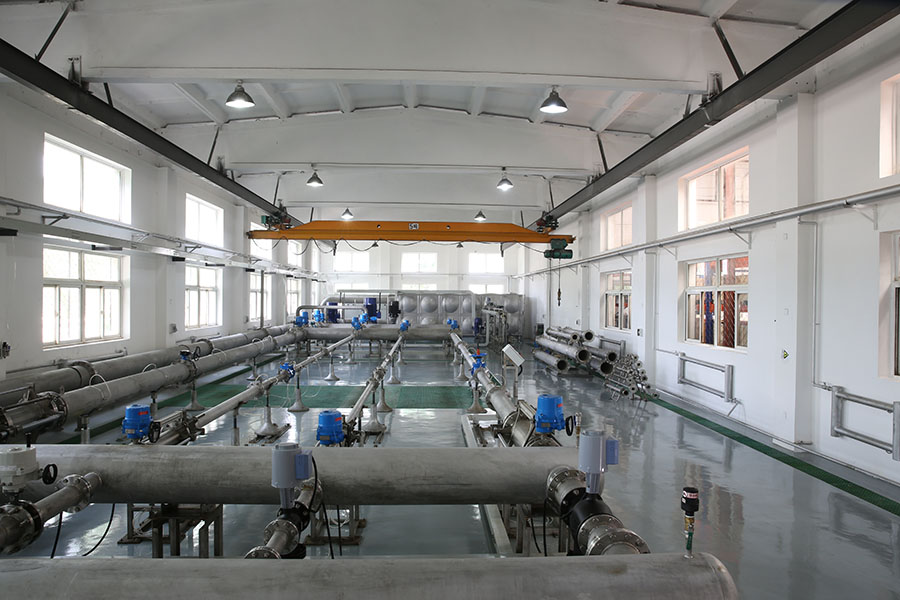
Over two decades of valve design and manufacturing expertise.
ISO 9001, CE, WRAS, EN1074-1, ABS, and CCS approvals.
Exported to Europe, North America, South America, Southeast Asia, and Africa.
Why Choose TWS Valve?
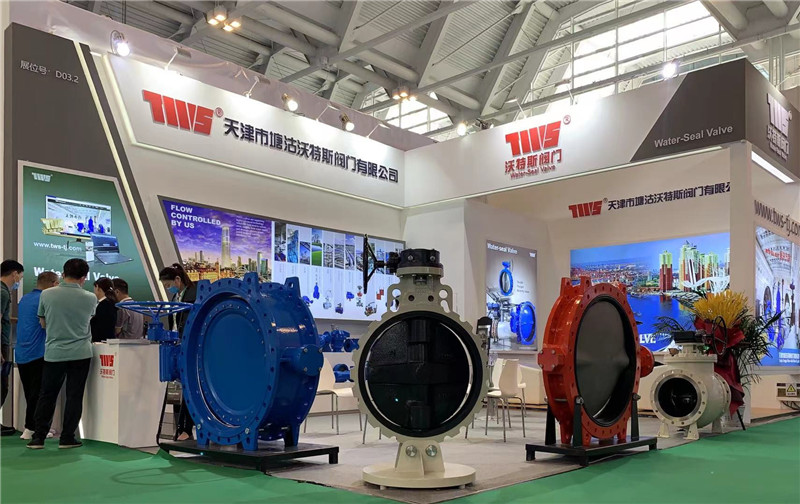
TWS Valve's core product portfolio includes resilient seated butterfly valves (wafer, lug, U-section, flanged concentric, flanged eccentric, and grooved end types), flanged rubber-seated gate valves, flanged swing check valves, dual plate check valves, and Y-strainers. We continuously expand and diversify our offerings based on global water management and industrial process requirements. Our newer product lines include balancing valves, air release valves, and backflow preventers. We also design and produce our own IP67-rated gearboxes and electrical actuators, ensuring optimal compatibility and performance when paired with our valves.
We work closely with engineering firms and plant operators to provide customized solutions for challenging environments, including seawater desalination, flue gas desulfurization, and chemical media isolation.
Our Certificates & Standards
We manufacture in strict compliance with international standards to ensure safety, reliability, and long-term durability in chemical and water applications.


Cooperation Projects & Applications
TWS valves are widely utilized in water treatment plants, municipal water distribution networks, wastewater systems, dams, hydropower plants, power generation facilities, and chemical industries worldwide.


By providing high-quality valves, competitive pricing, and professional service, TWS Valve has built long-term partnerships with leading global brands. We follow the core philosophy of "All For Customers, All From Innovation" to continuously improve our products and support our customers' projects worldwide. Join us on our journey to set new standards in fluid control.
Explore Our Full Product Range
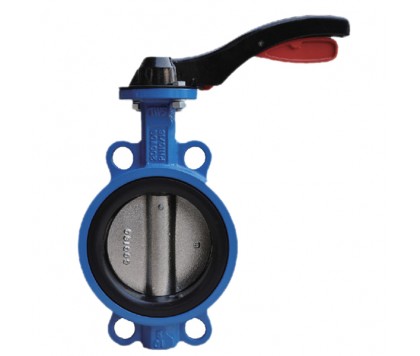
YD Series Wafer Butterfly Valve
Universal flange connection with an aluminum handle. Ideal for flow regulation and shut-off in water and seawater systems.
View Product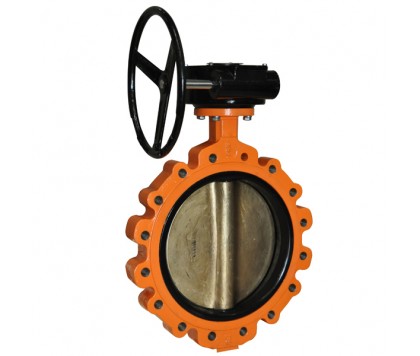
MD Series Lug Butterfly Valve
Allows downstream pipeline maintenance under pressure. Designed for easy installation between pipeline flanges.
View Product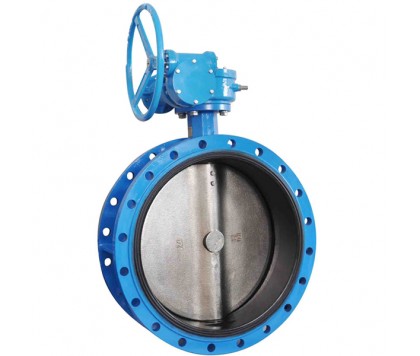
DL Series Flanged Concentric Butterfly Valve
Features a concentric disc and bonded liner, offering high body strength and resistance to pipeline pressure.
View Product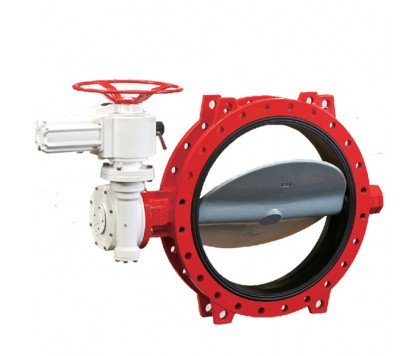
UD Series Soft-Seated Butterfly Valve
Wafer pattern valve with a soft sleeve seat that isolates the valve body from the process media.
View Product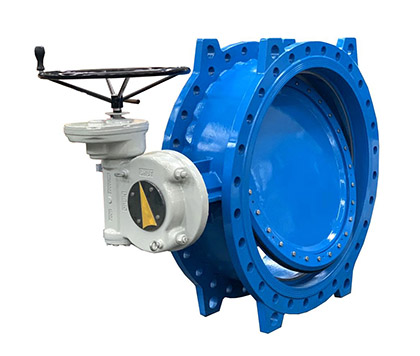
DC Series Flanged Eccentric Butterfly Valve
Incorporates a resilient disc seal. Designed for lower operating torque and extended valve service life.
View Product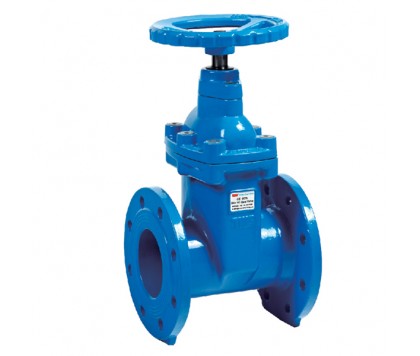
EZ Series Resilient Seated NRS Gate Valve
Non-rising stem wedge gate valve. Features an integrated rubber-clad disc and brass stem nut for water and neutral liquids.
View Product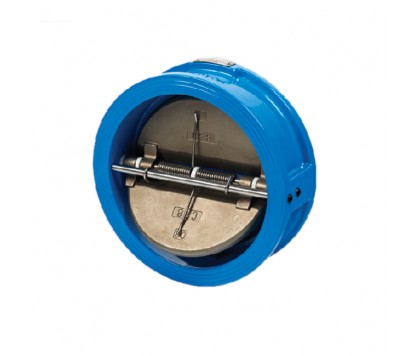
EH Series Dual Plate Check Valve
Dual plate check valve with dual torsion springs for quick closure, preventing water hammer and backflow.
View Product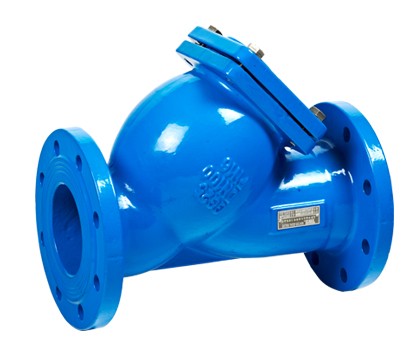
DIN3202 F1 Flanged Y Strainer
Removes solid particles from liquid, gas, or steam lines to protect downstream pumps and instrumentation.
View Product-

Phone
-

E-mail
-

Top


