
Featured Chemical Isolation Valves
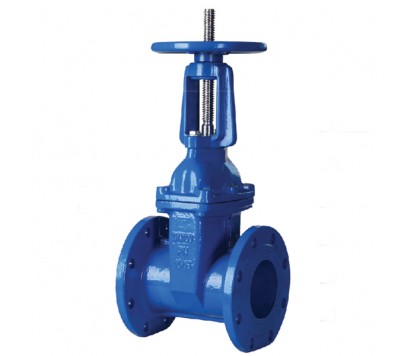
EZ Series Resilient Seated OS&Y Gate Valve
Learn More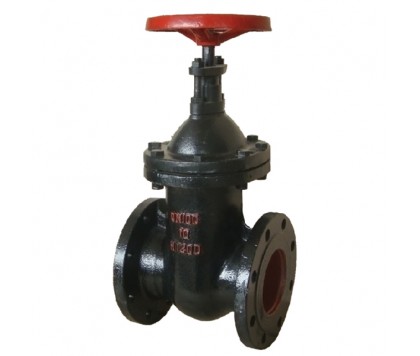
WZ Series Metal Seated NRS Gate Valve
Learn More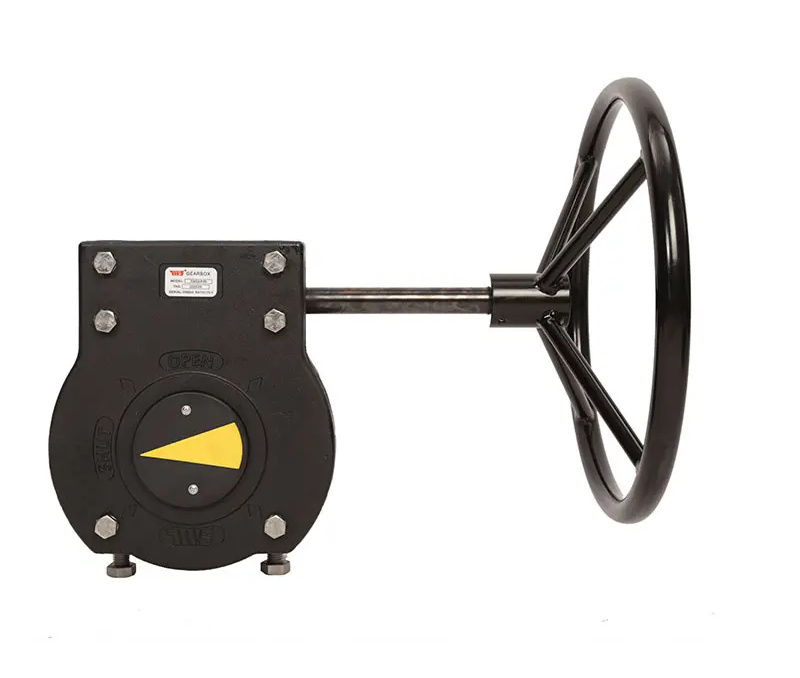
High Precision Worm Gear Actuator
Learn More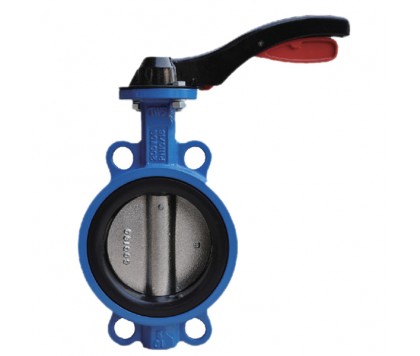
YD Series Wafer Butterfly Valve
Learn MoreNRS vs OS&Y Gate Valve: The Core Dilemma in Chemical Isolation
In modern chemical manufacturing, the selection of flow control components directly influences plant safety, process efficiency, and environmental compliance. Gate valves remain the industry standard for on/off isolation due to their straight-through flow design, minimal pressure drop, and robust sealing capabilities. However, when specifying gate valves for chemical media isolation, engineering teams face a critical choice: Non-Rising Stem (NRS) or Outside Screw and Yoke (OS&Y) configurations.
Both designs serve the fundamental purpose of starting or stopping flow, but their mechanical configurations differ drastically. These differences dictate how each valve performs under the stress of corrosive fluids, high-temperature processes, toxic gases, and clean-in-place (CIP) environments. Understanding the mechanical nuances of NRS and OS&Y gate valves is essential for preventing catastrophic leaks, reducing maintenance downtime, and extending the service life of critical infrastructure.
💡 Industry Insight: Chemical media isolation requires zero-leakage performance. The choice between NRS and OS&Y often hinges on how the valve manages stem thread exposure to corrosive process fluids.
Detailed Breakdown of Non-Rising Stem (NRS) Gate Valves
An NRS gate valve is designed such that the stem rotates to open or close the gate, but the stem itself does not move vertically. The thread of the stem engages directly with the internal wedge (gate). As the handwheel or actuator rotates the stem, the wedge climbs up or down the stem threads within the valve body.
Anatomy and Internal Mechanics
Because the stem remains in a fixed vertical position, the entire operating mechanism—specifically the mating threads between the stem and the wedge—is located inside the valve body. This means the threads are constantly exposed to the line media. In chemical applications, this configuration demands careful consideration of material compatibility.
Primary Advantages of NRS Valves
- Compact Vertical Profile: Since the stem does not rise, NRS valves require significantly less vertical clearance, making them ideal for tight piping galleries, underground vaults, and modular chemical skids.
- Reduced External Wear: The stem packing is subjected only to rotational wear rather than the combined linear and rotational wear seen in rising stem designs, which can prolong packing life under stable conditions.
- Protection from Atmospheric Elements: The critical operating threads are protected from dust, salt spray, and atmospheric corrosion, which is particularly beneficial in offshore chemical processing or coastal refinery environments.
Detailed Breakdown of Outside Screw and Yoke (OS&Y) Gate Valves
In contrast, an OS&Y gate valve features a stem that rises and lowers as the valve is operated. The stem threads are located outside the valve body, housed within a yoke structure. The handwheel is connected to a yoke nut; when rotated, the nut drives the stem vertically, pulling the wedge up or pushing it down.
Anatomy and External Mechanics
The defining feature of the OS&Y design is that the operating threads never come into contact with the process fluid. The packing chamber isolates the internal pressurized fluid from the external stem threads. This mechanical isolation is a vital safeguard in chemical plants.
Why OS&Y is the Safety Standard for Hazardous Chemicals
- Visual Position Indication: The position of the rising stem provides immediate, unmistakable visual feedback to operators regarding whether the valve is open, closed, or partially throttled. This is critical for emergency shutdown procedures.
- Isolated Operating Threads: Because the threads are external, they are not subjected to the corrosive, abrasive, or scaling properties of the chemical media. This prevents thread seizing and galling.
- Ease of Maintenance: The stem threads can be easily cleaned, inspected, and lubricated without shutting down the pipeline or dismantling the valve.
NRS vs OS&Y: Direct Engineering Comparison
To assist design engineers in selecting the correct valve for chemical media isolation, the table below highlights the key differences between these two designs:
| Feature / Parameter | Non-Rising Stem (NRS) | Outside Screw & Yoke (OS&Y) |
|---|---|---|
| Stem Thread Location | Internal (Exposed to Process Media) | External (Isolated from Process Media) |
| Visual Indication | No visual indication of gate position | Clear visual indication via stem height |
| Space Requirement | Minimal vertical space required | Significant vertical clearance needed |
| Corrosive Media Suitability | Limited (Requires highly resistant alloys) | Excellent (Threads protected from media) |
| Maintenance Complexity | High (Requires system shutdown for thread repair) | Low (Threads accessible during operation) |
| Fugitive Emission Risk | Lower (Rotational movement only) | Moderate (Linear movement can drag media) |
Material Selection and Metallurgy for Chemical Service
Regardless of the stem design, the chemical compatibility of the valve materials is paramount. Standard cast iron or carbon steel valves will quickly deteriorate when exposed to aggressive acids, bases, or organic solvents.
Resilient-Seated vs. Metal-Seated Designs
For mild chemical solutions, water treatment, and low-concentration acids, resilient-seated gate valves (like the EZ Series) utilize high-performance elastomers such as EPDM, NBR, or Viton (FKM) to achieve bubble-tight shutoff. The rubber compound must be carefully selected to prevent swelling, degradation, or chemical attack.
For highly aggressive media, high temperatures, or high-pressure chemical processes, metal-seated gate valves (like the WZ Series) are required. These valves utilize stainless steel (304, 316, 316L), duplex stainless steels, or exotic alloys (Hastelloy, Monel, Inconel) for the body, gate, and seat rings to resist corrosion and erosion.
Industrial Trends & Technological Advancements
The global chemical valve market is experiencing rapid evolution driven by strict environmental regulations and the rise of smart manufacturing (Industry 4.0).
Fugitive Emissions Control
Environmental agencies worldwide are tightening limits on fugitive emissions from valve packing. Modern OS&Y valves are increasingly designed with live-loaded packing systems (using Belleville springs) and bellows seals to ensure a continuous seal around the rising stem, minimizing the release of volatile organic compounds (VOCs).
Integration of Smart Sensors
In automated chemical plants, relying solely on visual inspection of OS&Y stems is no longer sufficient. Manufacturers are integrating limit switches, position transmitters, and smart actuators (with IoT connectivity) onto OS&Y and NRS valves alike. This allows control rooms to monitor valve status in real-time and predict maintenance needs before a failure occurs.
Specific Application Scenarios in Chemical Processing
1. Petrochemical and Refining Pipelines
In hydrocarbon processing, media often contains sulfur compounds, hydrogen sulfide (sour gas), and volatile aromatics. OS&Y gate valves are mandated by standards such as API 600 in these environments. The external stem design prevents sulfide stress cracking of the operating threads, while the clear stem position is vital for safety interlocks during emergency isolation.
2. Industrial Wastewater & Chemical Treatment
Chemical manufacturing generates complex wastewater streams containing acids, suspended solids, and abrasive chemicals. NRS gate valves with resilient seats are often preferred here due to space limitations in underground treatment galleries. Because the media may be highly abrasive, the wedge is completely encapsulated in vulcanized rubber to prevent wear on the sealing surfaces.
3. Chlor-Alkali and Acid Production
Handling chlorine gas, hydrochloric acid, or sulfuric acid requires extreme caution. In these processes, any stem leakage can be fatal. OS&Y valves with PTFE lining or solid alloy construction (such as Hastelloy C) are deployed. The external yoke allows operators to apply protective coatings to the stem and monitor the packing area continuously for any early signs of chemical weeping.
Tianjin Tanggu Water-Seal Valve Co., Ltd.
All For Customers, All From Innovation
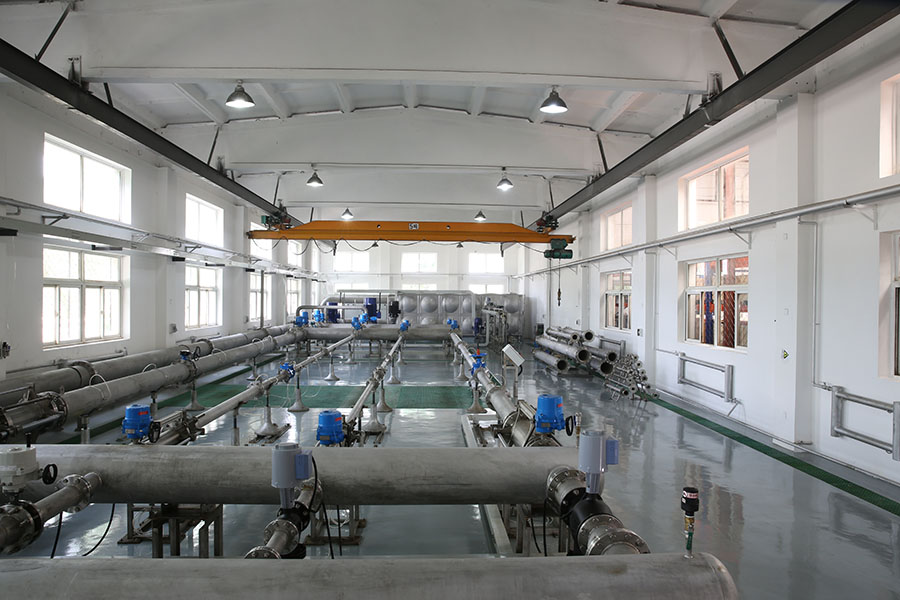
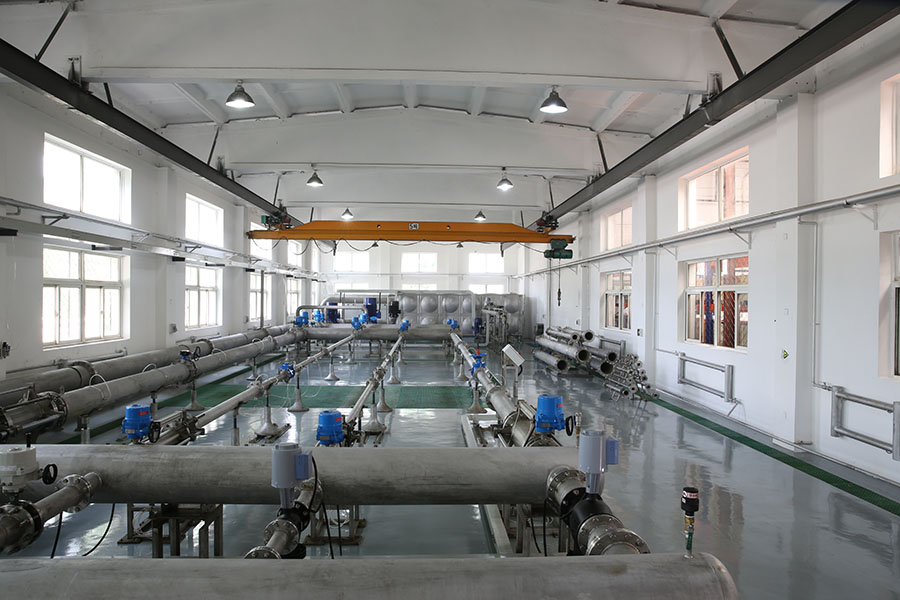
Tianjin Tanggu Water-Seal Valve Co., Ltd. (TWS Valve) was founded in 2003. We are a professional manufacturer that integrates the design, development, production, installation, sales, and service of high-performance valve solutions. Operating from two state-of-the-art manufacturing plants located in Xiaozhan Town and Gegu Town, Jinnan, Tianjin, we have grown to become one of China’s leading suppliers of water management and industrial process valve products.
Over the years, we have built up our strong proprietary brand, "TWS". Our quality management system is strictly certified under ISO 9001, and the vast majority of our products carry prestigious international approvals, including CE and WRAS.
OurCore Strength & Specializations
TWS Valve has established a leading position in developing specialized valve solutions designed for the most demanding working conditions:
- Special butterfly valves for seawater desalination: The medium flow parts adopt new special coatings and materials selected according to different working conditions to satisfy the corrosive demands of the seawater desalination industry.
- High-pressure soft-sealed centerline butterfly valves: Engineered specifically to meet the needs of high-pressure water pipelines, water supply, and drainage systems in high-rise buildings. These feature high pressure resistance and low flow resistance.
- Desulfurization flange/wafer centerline butterfly valves: Widely used in flue gas desulfurization (FGD) and similar harsh industrial working conditions. Safe and reliable materials are selected to guarantee long-term performance.
Why Choose TWS Valve
TWS Valve’s core product portfolio includes a comprehensive range of flow control solutions. We specialize in all series of Resilient Seated Butterfly Valves (Wafer, Lug, U-section, Flanged Concentric, Flanged Eccentric, and Grooved End types), Flanged Rubber Seated Gate Valves, Flanged Swing Type Check Valves, Dual Plate Check Valves, and Y Strainers.
Driven by global water management and industrial processing requirements, we continuously diversify our product line. We have developed advanced Balancing Valves, Air Releasing Valves, and Backflow Preventers. To ensure perfect mechanical integration and optimal matching, we also design and manufacture our own heavy-duty Gearboxes (with IP67 grade protection) and high-precision Electrical Actuators.
Quality Assurance: Most of our products have CE and WRAS approvals, ensuring compliance with international safety and environmental standards.
International Certificates
Our commitment to quality is backed by globally recognized certifications, including CE, ISO9001, ISO14001, WRAS, EN1074-1, ABS, and CCS.


Cooperation Cases & Global Footprint
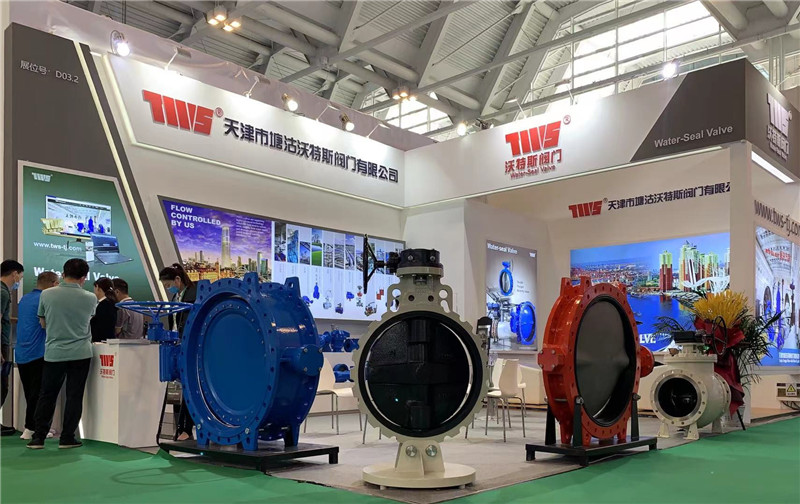
TWS Valves are widely deployed in major municipal and industrial projects worldwide, spanning water treatment, water distribution networks, wastewater management, dams, hydropower facilities, thermal power plants, and chemical processing plants. Through competitive pricing, exceptional quality, and professional service, we have become a trusted long-term OEM/ODM partner for many world-famous valve brands.


Our Complete Product Catalog
EZ Series Resilient Seated OS&Y Gate Valve
View Product
WZ Series Metal Seated NRS Gate Valve
View Product
Industrial Grade Worm Gear Actuator
View Product
YD Series Wafer Butterfly Valve
View Product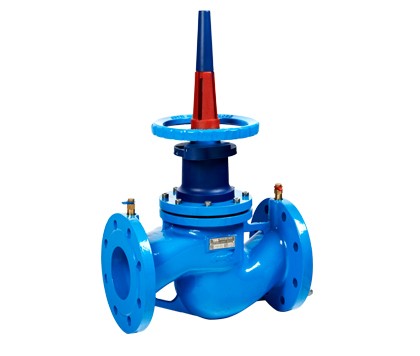
TWS Flanged Static Balancing Valve
View Product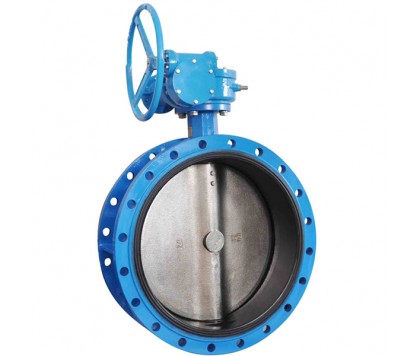
DL Series Flanged Concentric Butterfly Valve
View Product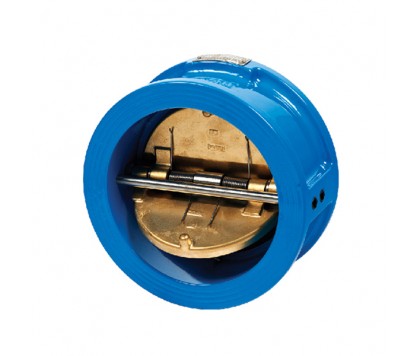
AH Series Dual Plate Wafer Check Valve
View Product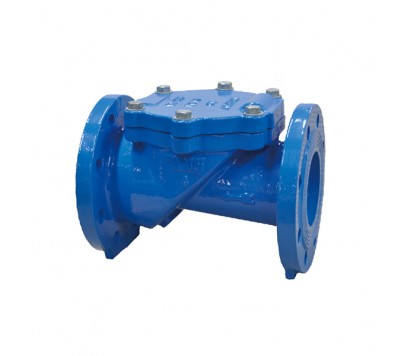
RH Series Rubber Seated Swing Check Valve
View Product-

Phone
-

E-mail
-

Top


