
1. What is the fundamental difference between soft seal butterfly valve and hard seal butterfly valve?
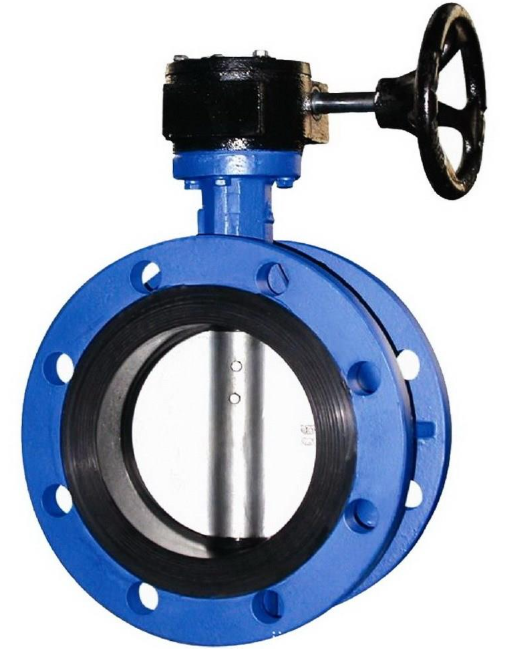
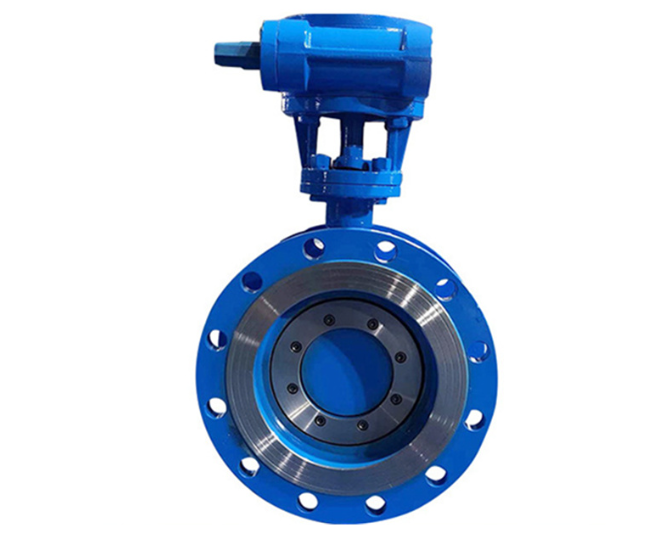
The sealing ring material is different. The sealing pair of a soft-sealing butterfly valve is “metal seat + non-metal sealing ring”, and commonly used materials include rubber (EPDM/NBR), polytetrafluoroethylene (PTFE), etc., as shown in Figure 01; the sealing pair of a hard-sealing butterfly valve is “metal to metal”, and the valve seat and sealing surface are usually made of stainless steel, alloy steel or carbide surfacing. The former achieves sealing by elastic deformation of the material, while the latter relies on precision machining and medium pressure to achieve sealing.
 |
 |
|
Figure 01 |
Figure 02 |
2. What is the applicable temperature range of each?
Soft seals are limited to non-metallic materials: EPDM rubber is suitable for -40℃~120℃, and PTFE can reach -40℃~200℃. There is no such restriction for hard seals. Conventional stainless steel hard seal butterfly valves are suitable for -40℃~425℃, and special alloy materials can even withstand high temperatures above 600℃.
3. Which sealing performance is better?
The soft seal is better and can achieve zero leakage (ANSI Class VI). The elasticity of rubber/PTFE can fill the microscopic unevenness on the metal surface and achieve bubble-level sealing. Due to the rigid contact of metal, the standard requirements of hard seals are usually ANSI Class IV~V (minimum leakage is allowed), which is suitable for process media that have a certain tolerance for leakage.
4. What is the difference between service life and maintenance costs?
Hard seals are more durable. The soft-sealing rubber/PTFE ring is prone to wear and aging due to long-term erosion and frequent switching. The sealing ring usually needs to be replaced every 2 to 5 years. After the hard sealing metal surface is spray-welded with carbide, it is resistant to wear and erosion, and has a service life of more than 10 years. It is suitable for frequent adjustment of working conditions. Although the initial cost is high, the long-term maintenance cost is lower.
5. How media adaptability differs?
The soft seal is not resistant to strong corrosion/particle-containing media. Although rubber and PTFE have good chemical stability, if the medium contains hard particles (such as slurry, coal powder), the particles can easily scratch the soft sealing surface when the valve is opened and closed, causing leakage. Hard seals are suitable for harsh working conditions such as high-temperature steam, oil products, particle-containing slurries, and high-pressure gases.
6. Conclusion
The core difference between the soft seal and the hard seal of the butterfly valve lies in the sealing material: the soft seal (rubber/PTFE) has good elasticity, can achieve zero leakage, and is suitable for clean media at room temperature; the hard seal (metal to metal) is high temperature resistant and wear-resistant, and is suitable for harsh working conditions such as steam and particles. Both have their own advantages, and the selection needs to be based on the working conditions. Tianjin Tanggu Water-Seal Valve Co.,Ltd specializes in the production of butterfly valves, gate valves, check valves and other types of valves. Welcome to call us and we will provide you with professional selection suggestions!
Post time: Aug-08-2026


