
Municipal water systems need durable valves for high flow, changing pressure, and varied conditions. Butterfly valves are popular in medium-to-large pipelines for their compact design, fast action, and cost-effectiveness.
But choosing one isn’t just about size—material, disc, seat, connections, pressure rating, operation, and installation all affect long-term reliability. A valve that works in a small building may fail in a transmission main, pump station, or reservoir outlet.
This article covers butterfly valve applications in municipal supply, key specifications, and ways to avoid common issues like leakage, hard operation, pressure loss, and early seat wear.
I. Why Butterfly Valves Are Common in Municipal Water Systems
In municipal networks, butterfly valves are widely used in large pipelines for isolation, regulation, and pumping, offering three main benefits over gate valves:
1. Compact size: shorter face-to-face dimensions save space in valve chambers and underground sites.
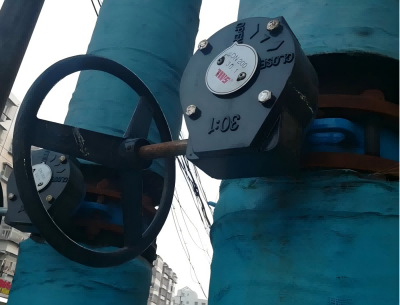
2. Quick operation: the butterfly valve only needs to be rotated 90° to open and close, and with a worm gear or electric/hydraulic actuator, large-diameter operation is easier.
3. Better cost performance: lighter weight reduces material, transport, and installation costs, which adds up in large-scale projects.
However, they aren’t suited for all locations. The disc stays in the flow path, causing some pressure loss, and soft-seated versions may wear quickly in sandy or sediment-laden water. Always review site conditions before selection.
II. Typical Applications in Municipal Water Supply
Municipal water supply is not a single operating condition. A city water system may include raw water intake, treatment plant pipelines, clean water reservoirs, transmission mains, pumping stations, distribution networks, and branch lines. Butterfly valves may be used in several of these areas, but the design requirements are not always the same.
III. Water Treatment Plant Pipelines
In water treatment plants, butterfly valves are often used for water inlet and outlet, filtration, backwashing and process control. They require frequent operation, reliable sealing and corrosion resistance. Epoxy-coated ductile iron valve bodies are commonly used for clean water and treated water. EPDM valve seats are suitable for drinking water and normal working conditions. Special chemicals or high temperatures require additional verification.
IV. Pump Stations
The pump station is a key place for valve selection. Butterfly valves are used in suction pipes, outlet pipes, bypass pipes and isolation sections. They need to be easy to operate and able to withstand pressure fluctuations during startup and shutdown. On the water outlet pipeline, butterfly valves often cooperate with check valves to prevent backflow; sudden pump stop may cause water hammer, so the closing speed and actuator control need to be carefully considered.
V. Reservoir and Tank Outlet Lines
Butterfly valves are also used in reservoirs, pools and clean water storage systems. They are often opened for a long time and closed only for maintenance. Long-term sealing, compression and anti-corrosion must be paid attention to. If the valve is rarely operated, over many years the gearbox may become stuck, the valve seat may become aged, or the valve stem may become corroded, affecting operation. Therefore, municipal projects should not only look at the purchase price, but also consider the convenience of future maintenance.
VI. Distribution Network Isolation
In municipal water distribution pipe networks, valves are used for partition isolation to minimize the scope of water outages during maintenance. Butterfly valves are suitable for large-diameter isolation points due to their small size and light weight. When installing underground or in a valve well, the operating method needs to be selected based on accessibility: manual wrenches are not suitable for large diameters, worm gear transmission is commonly used, and remote or SCADA systems are equipped with electric actuators.
VII. Key Selection Factors for Municipal Butterfly Valves
A municipal water butterfly valve should be selected based on actual working conditions rather than only nominal diameter. The following points are usually reviewed during engineering or procurement.
1. Valve Type and End Connection
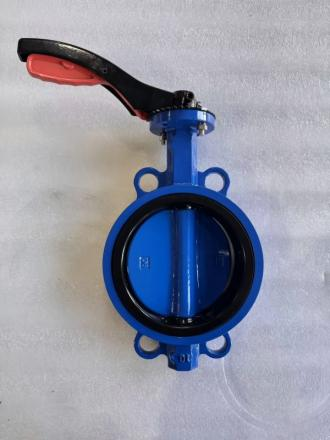
Common butterfly valve connection types include wafer, lug, U-type, and double flanged designs. Each type has different installation characteristics.
- Wafer Type Butterfly Valve: compact structure, low cost, used for construction, air conditioning and municipal auxiliary lines; however, the flange type or lug type is recommended for buried or heavy-duty projects.
- Lug Type Butterfly Valve: with threaded lugs, which can be fixed on both sides, making it easy to disassemble the pipe on one side and suitable for maintenance sections.
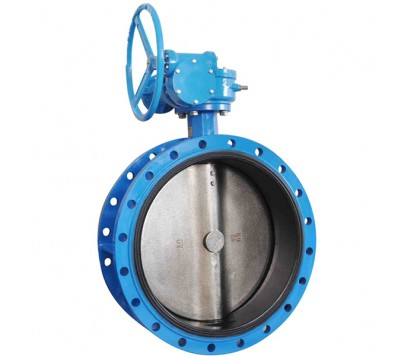
- Double Flanged Butterfly Valve: used for large-diameter main pipes, water plants and pumping stations, with firm connection, good vibration resistance and high stability.
2. Pressure Rating
PN10, PN16 or Class 150 are commonly used for municipal water pipes. The selection should not only look at the normal working pressure, but also consider transient working conditions such as water hammer, pump stop pressure and height difference. For example, although the normal pressure of the pipeline is lower than PN10, the pressure shock caused by the start and stop of the pump may require a higher level. The working pressure and test pressure should be confirmed at the same time before selection.
3. Body Material and Coating
The body of butterfly valves for municipal water is usually made of ductile iron, which has better strength and toughness than gray cast iron and is suitable for pressure-bearing systems. Clean water and drinking water are usually coated with fused epoxy resin for anti-corrosion. Ductile iron for ordinary municipal water is cost-effective; if seawater, brackish water or highly corrosive water is involved, stainless steel or aluminum bronze materials need to be considered.
4. Disc Material
The butterfly disc is in direct contact with the water body, and its material affects the corrosion resistance and sealing performance. Commonly used materials include coated ductile iron, SS304, SS316 and aluminum bronze. Ordinary clean water systems can choose coated ductile iron or stainless steel butterfly plates, depending on the budget and working conditions; for corrosive water quality or coastal projects, SS316 or aluminum bronze is recommended for better durability.
5. Seat Material
EPDM is the first choice for soft-sealed butterfly valves for municipal water, which is water-resistant and anti-aging. NBR is oil-resistant but not commonly used for drinking water; PTFE has good chemical resistance but poor elasticity and is mostly used in chemical or special media conditions. The wrong valve seat selection can cause leakage, expansion, hardening or loss of seal.
6. Operation Method
Small butterfly valves can use handles, and large municipal diameters often require worm gear transmission to save labor and facilitate control of the opening. Remote control with optional electric, pneumatic or hydraulic actuators. Pumping stations and automated pipe networks need to carefully determine the actuator closing time: too fast may cause water hammer, and too slow may not meet the control requirements. The details need to be determined based on the pipe length, flow rate, pump characteristics and control strategy.
VIII. Check Flange Compatibility
Before installation, the flange standard, bolt hole arrangement, gasket surface, and face-to-face dimension should be confirmed. Common flange standards include EN, DIN, ANSI, JIS, and AS. If the flange drilling does not match the valve body, forced installation can damage the valve or create leakage at the flange connection.
IX. Keep the Disc Clear During Installation
The disc of a butterfly valve rotates inside the pipeline. During installation, there must be enough clearance for the disc to open fully without contacting the pipe, flange, gasket, or lining. This is especially important for wafer butterfly valves and lined piping systems.
X. Avoid Excessive Pipe Stress
The valve should not be used to correct pipe misalignment. If the pipeline is not properly supported, excessive stress may be transferred to the valve body and flange connection. Over time, this can cause leakage, difficult operation, or damage to the seat.
XI. Flush the Pipeline Before Operation
Municipal pipelines may have residual welding slag, sand and other debris before they are put into operation. If they pass through the valve during operation, the sealing surface will be scratched. Therefore, flushing the pipeline before putting it into operation is a simple but critical step.
XII. Common Problems in Municipal Butterfly Valve Applications
In actual water projects, butterfly valve problems are usually caused by a combination of selection, installation, and maintenance factors. The following issues are commonly seen:
1. Internal leakage
There is still water passing through after closing. The reason may be that the valve seat is worn, the butterfly plate is damaged, debris is stuck in the sealing surface, the material is improper, or the actuator is not adjusted in place. Internal leaks in municipal systems are often difficult to detect and are only exposed when the isolation section cannot be drained during maintenance.
2. External Leakage
Occurs at flange connections, valve stems or valve body seams. Flange leakage is mostly caused by gasket, bolt tightening, flange alignment or pipe stress issues; valve stem leakage is mostly related to packing wear or long-term discomfort in working conditions.
3. Difficult to operate
It may be caused by damage to the gearbox, corrosion of the valve stem, deformation of the valve seat, accumulation of debris or excessive pressure difference. Large diameter valves should not be operated forcefully to avoid damaging the gearbox or valve stem.
4. Water hammer and vibration
Quick shutdown, pump stop, reverse flow or high flow rate can cause water hammer. Pumping stations and long-distance pipelines should be evaluated during the design stage. It can be comprehensively solved by adjusting the closing time, selecting check valves, setting exhaust valves, pressure stabilizing tanks and optimizing control logic.
XIII. Procurement Checklist for Municipal Water Projects
Providing complete information when making inquiries can help reduce misunderstandings and allow manufacturers to recommend appropriate configurations.
- Nominal diameter, such as DN200
- Pressure rating, such as PN10, PN16, or Class 150
- Connection type, such as wafer, lug, U-type, or double flanged
- Flange standard, such as EN 1092-2, ANSI B16.5, JIS 10K, or AS2129
- Medium, such as raw water, treated water, potable water, or seawater
- Working temperature and normal operating pressure
- Body, disc, stem, and seat material requirements
- Operation method, such as handle, worm gear, electric actuator, or hydraulic actuator
- Coating requirements, especially for ductile iron valves
- Certification or testing requirements, such as pressure test reports or material certificates
Clarifying the details in advance can avoid the problem of huge price differences for valves of the same caliber due to different materials, valve seats, flange standards and test levels.
XIV. When to Use Gate Valves or Check Valves Together
Municipal water systems usually require the use of a variety of valves, such as butterfly valves, soft-sealing gate valves, check valves, pressure reducing valves, air release valve and filters, each with its own applicable position.
- Gate valve: used for pipe sections that require full diameter and low water loss.
- Check valve: Used to prevent backflow, especially at the pump outlet.
- Pressure reducing valve: used for zone pressure control.
- Butterfly valve: suitable for occasions with compact space, fast operation and high cost performance.
Butterfly valves are commonly used as isolation valves in pump stations, and check valves are also equipped to prevent backflow. Sizing these valves as a whole system rather than considering them individually will result in higher operational reliability.
XV. Conclusion
Butterfly valves play an important role in municipal water supply systems, especially in water treatment plants, pump stations, reservoirs, transmission lines, and distribution networks. Their compact structure, relatively low weight, quick operation, and competitive cost make them suitable for many medium and large diameter water pipeline applications. Welcome to inquire.
Post time: Aug-05-2026


