
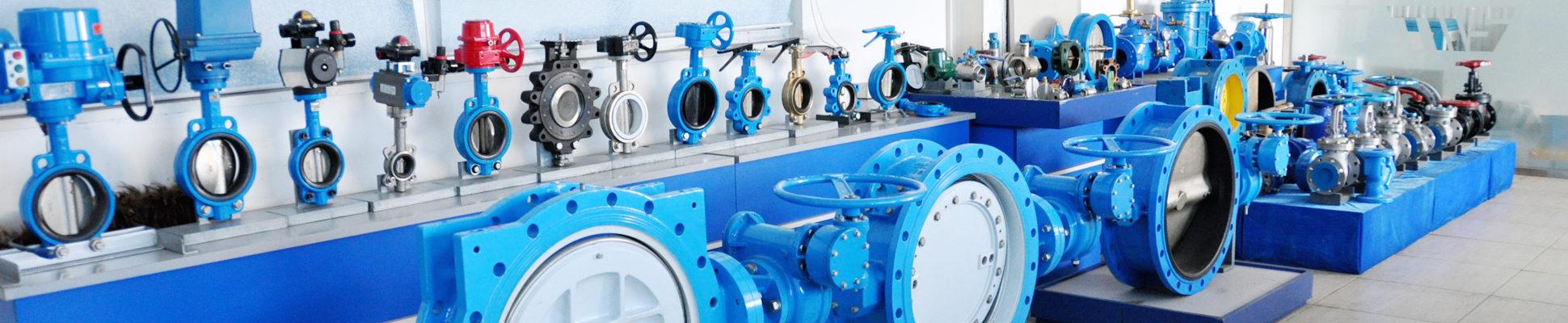
In the realm of fluid control, the selection between butterfly and gate valves is a critical decision that impacts system performance, cost-effectiveness, and long-term reliability. While both valve types serve the fundamental purpose of regulating flow, their design principles, operating characteristics, and application suitability differ significantly. Today, We provide an in-depth analysis of these differences, helping engineers and professionals make informed choices.
Butterfly Valves: Efficiency and Versatility
Butterfly valves, characterized by their rotating disc mechanism, offer several advantages, particularly in applications demanding efficiency and versatility.
Economic Advantages: The simplicity of the butterfly valve’s design, involving a rotating disc within the flow path, translates to lower manufacturing costs compared to the intricate wedge and seat structure of gate valves. This cost advantage becomes more pronounced in larger valve sizes, making butterfly valves an attractive option for large-scale piping systems. Furthermore, their lighter weight simplifies installation, reducing labor and handling expenses.
Space Optimization: In environments where space is a premium, such as offshore platforms or densely packed industrial facilities, butterfly valves excel. Their compact face-to-face dimensions and lightweight construction allow for efficient piping layouts and reduced installation footprint. This space-saving feature is invaluable in applications with limited clearance.
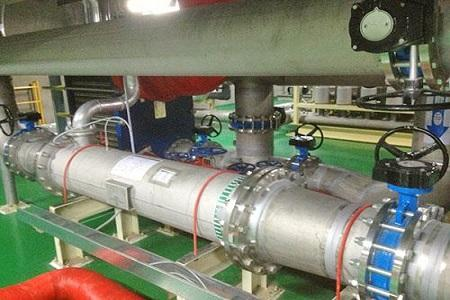
Rapid Operation and Control: The 90-degree rotational movement of the disc enables quick opening and closing, making butterfly valves ideal for applications requiring frequent operation or emergency shut-off capabilities. This rapid action is crucial in safety systems, fire suppression systems, and processes with precise timing requirements. Additionally, a wide range of actuation options, including manual levers, gear operators, and automated actuators, provides flexibility in controlling valve operation.
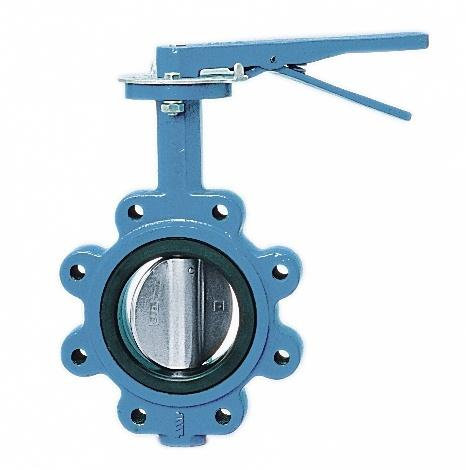
Flow Modulation Capabilities: Unlike gate valves, which are primarily designed for on/off service, butterfly valves can effectively throttle and control flow by adjusting the disc’s angular position. This flow modulation capability is essential in applications where precise flow rates are critical, such as chemical processing, water treatment, and HVAC systems.
Gate Valves: Robustness and Sealing Integrity
Gate valves, with their wedge and seat design, offer robustness and sealing integrity, making them suitable for demanding applications.
Superior Sealing Performance: Gate valves excel in applications requiring absolute zero leakage. The wedge and seat design creates a tight seal, particularly in high-pressure systems, ensuring minimal leakage and optimal performance. This sealing integrity is crucial in critical applications, such as chemical processing and gas pipelines.
Minimal Pressure Drop: When fully open, gate valves provide an unobstructed flow path, resulting in minimal pressure drop and consistent flow rates. This characteristic is essential in applications where maintaining optimal flow conditions is crucial for system efficiency.
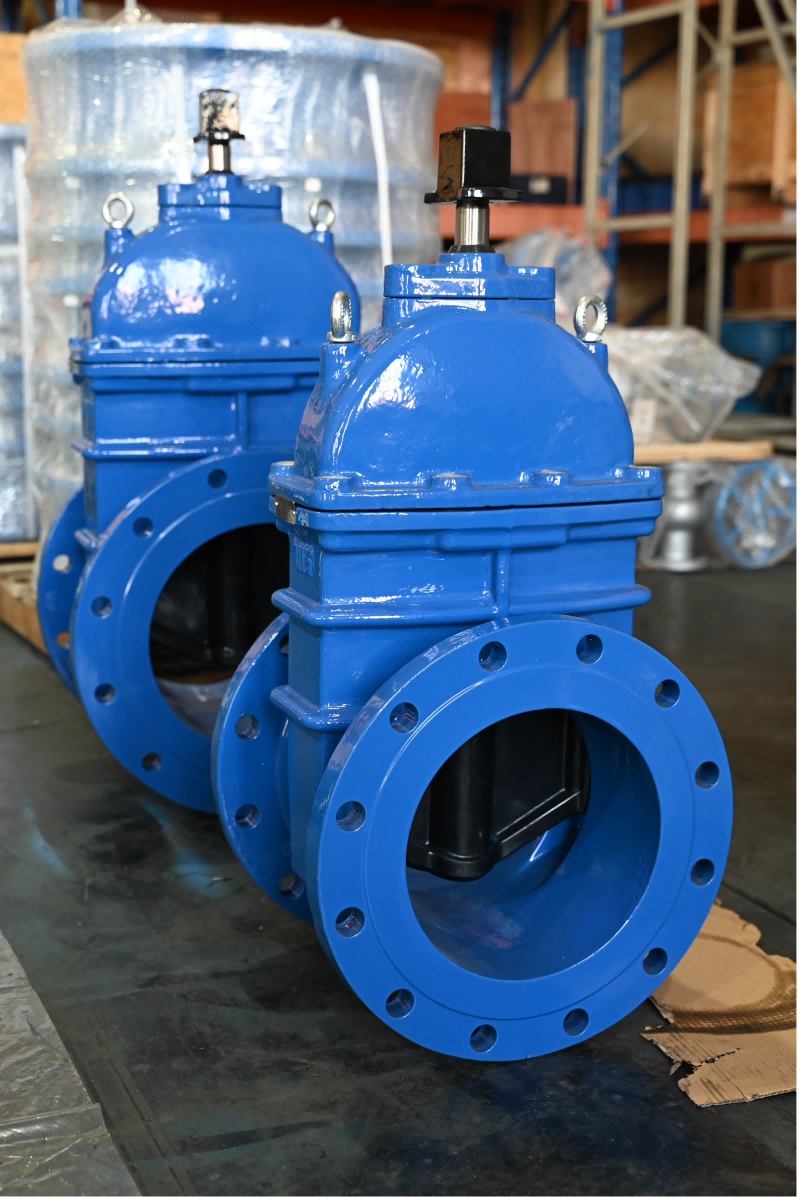
Durability and Longevity: The robust construction of gate valves, with their heavy-duty wedge and seat design, ensures durability and longevity in demanding operating conditions. They can withstand high pressures, extreme temperatures, and abrasive fluids, making them suitable for challenging industrial environments.
Pipeline Cleaning: Gate valves when fully open, allow for a straight through bore, and are much easier to clean using pipeline pigging and swabbing. This is a large advantage over butterfly valves.
Application-Specific Considerations and User Concerns
Selecting the appropriate valve type requires careful consideration of application-specific requirements and user concerns.
Application Suitability: Butterfly valve PN10 are best suited for applications requiring flow modulation, space efficiency, and cost-effectiveness. Gate valves, on the other hand, are preferred for high-pressure systems, critical shut-off applications, and situations demanding minimal pressure drop.
Space Constraints: In confined spaces, the compact design of butterfly valves offers significant advantages. Gate valves, with their larger dimensions, may not be feasible in applications with limited clearance.
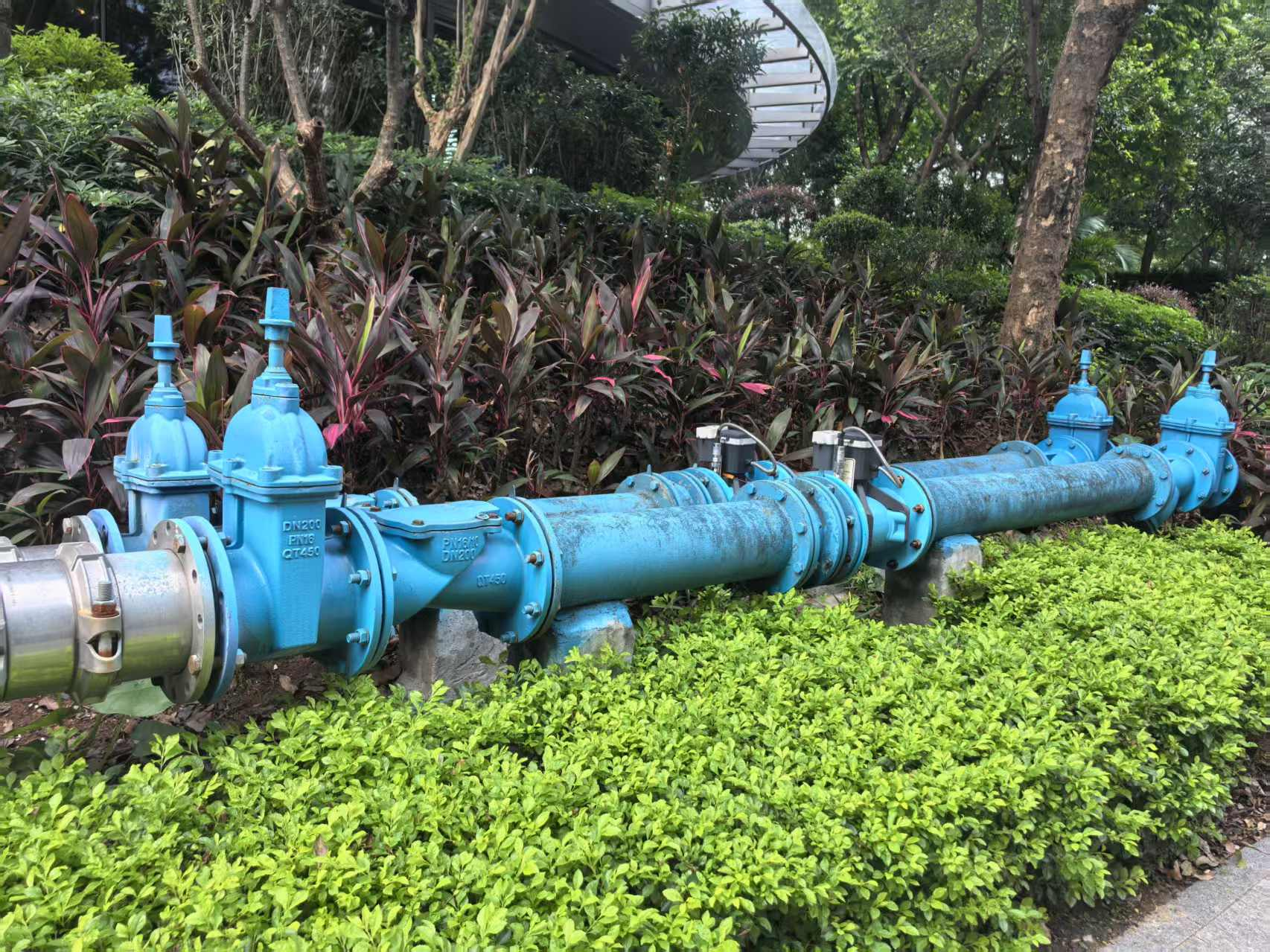
Budgetary Considerations: Butterfly valves offer a more economical solution, particularly in larger sizes. However, the long-term cost of ownership, including maintenance and potential replacement, should be factored into the decision-making process.
Flow Consistency: Gate valves, when fully open, provide an unobstructed flow path, resulting in minimal pressure drop and consistent flow rates. Butterfly valves, even in the fully open position, introduce some degree of flow restriction.
Maintenance: Butterfly valves generally require less maintenance due to their simpler design. However, gate valves are better for systems that require the use of pigging and swabbing.
Water Hammer: The rapid closing action of butterfly valves can generate significant pressure surges, known as water hammer. Proper valve selection, sizing, and actuation control are crucial for mitigating this phenomenon.
Butterfly vs. Gate: A Concise Comparison
When choosing between butterfly and gate valves, it’s about matching design to application.
Butterfly Valves: Speed & Space.
Economical, especially in large sizes.
Compact, ideal for tight spaces.
Fast operation, great for quick shut-offs and flow modulation.
Prone to higher pressure drops and seal wear.
Best for: Water treatment, HVAC, and low-pressure applications requiring frequent adjustments.
Gate Valves: Robustness & Sealing.
Superior sealing, minimal leakage.
Low pressure drop when fully open.
Durable, suitable for harsh conditions.
Slower operation, and larger installation footprint.
Good for pipeline cleaning.
Best for: High-pressure pipelines, oil and gas, and applications needing zero leakage.
Key Differences Summarized:
Operation: Cast iron butterfly valve (rotational), Gate valve (linear).
Space: Ductile iron butterfly valve (compact), Resilient seated gate valve (larger).
Cost: Wafer butterfly valve (generally lower), Rising stem gate valve (higher).
Sealing: Butterfly valve (good, but not perfect), Gate valve (excellent).
Flow Control: Butterfly valve (excellent for throttling), Gate valve (on/off).
Pressure Drop: Butterfly valve (higher), Gate valve (lower).
Maintenance: Butterfly valve (easier), Gate valve (more complex).
Fluid residue: Butterfly valve (more), Gate valve (less).
Water Hammer: Butterfly valve (more susceptible).
Practical Considerations:
Fluid type: Abrasive fluids favor gate valves, while clean liquids often suit butterfly valves.
Frequency of operation: Quick shut-offs? Butterfly. Continuous flow? Gate.
Leakage tolerance: Zero leakage? Gate. Some leakage allowed? Butterfly.
Budget: Cost-sensitive? Butterfly. High-value fluid? Gate.
Installation Space: Tight space? Butterfly.
Choosing the right valve is about balancing these factors for optimal system performance.
Conclusion
When dealing with the complexities of valve selection, working with an experienced professional is critical. Companies like Tianjin Tanggu Water-Seal Valve Co., Ltd. are able to offer a full range of solutions, including a wide range of high-quality, Class A leakage butterfly valve and gate valves to meet specific application needs. TWS‘ expertise in valve design, manufacturing and application ensures customers receive optimized solutions that meet their performance, reliability and cost objectives. Their commitment to quality and customer satisfaction makes them a trusted partner in fluid control applications.
Post time: Sep-21-2026


