
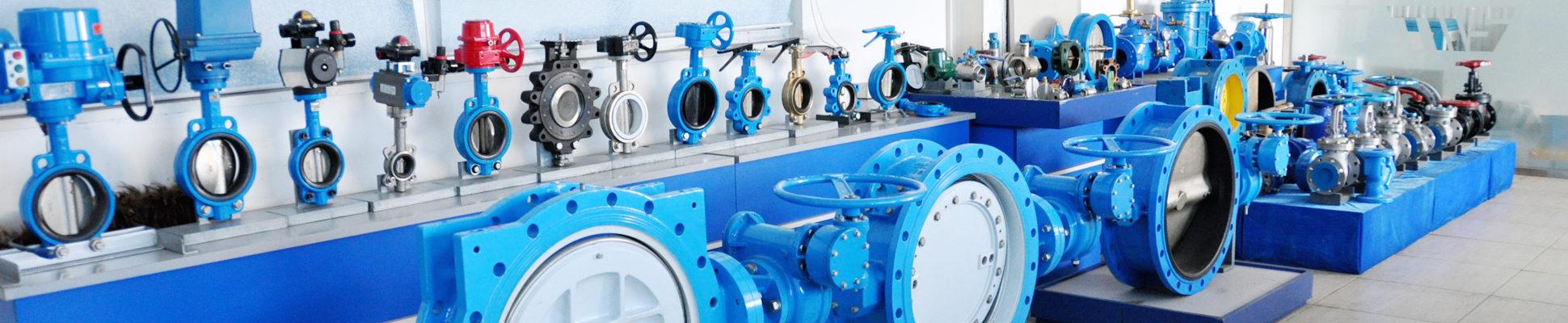
As the core control component of the pipeline system, butterfly valves are widely used in water supply and drainage, HVAC, chemical industry and other fields. They are popular because of their compact structure and fast opening and closing. However, leakage, jamming, opening and closing failure and other faults are prone to occur during long-term operation, which affects system safety. This article sorts out typical faults and troubleshooting methods to help with quick on-site disposal.
Fault 1: Water Leakage
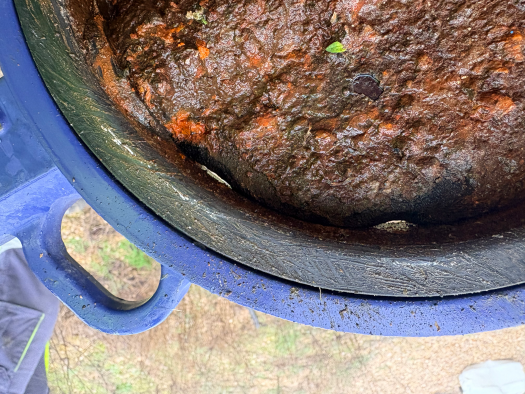
Butterfly valve leakage is one of the common failures. There are two main reasons: one is that the sealing surface is damaged, and the other is that the bolts are loose. If the sealing surface is damaged, it can be solved by replacing the sealing ring or repairing the sealing surface. Loose bolts can be solved by tightening them.
Fault 2: Stuck
After being used for a long time, the butterfly valve may become stuck, that is, it cannot open or close normally. The causes of jamming include deformation of the butterfly plate and aging of the sealing ring. The solution is to check whether the butterfly plate is deformed. If so, it can be solved by replacing the butterfly plate. At the same time, check whether the sealing ring is aging. If so, replace the sealing ring.
Fault 3: Inflexible Operation
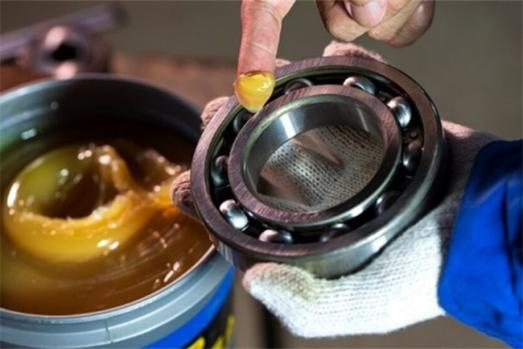
After a butterfly valve has been used for a period of time, it may become inflexible due to poor lubrication. The solution is to regularly add lubricating oil to the butterfly valve to ensure smooth operation of the butterfly valve.
Fault 4: Irregular Operation
When closing the valve, the force should be steady. Do not use force or extend the arm to force the operation. If you find that it is not closed tightly, you can open it slightly first to let any stuck debris wash away before trying to close it.
Fault 5: Irregular maintenance of valves
If you do not regularly maintain the butterfly valve, you may only feel it is “a little tight” or “a little leaky” in the short term. However, without intervention, the problem will expand like a snowball, eventually leading to sudden shutdown, equipment scrapping, and even safety accidents.
Conclusion:
Butterfly valves, gate valves and check valves are all key control parts of pipelines. Butterfly valves are prone to water leakage, jamming and other common failures, mostly caused by seal damage, poor lubrication and irregular operation. Regular maintenance is crucial. Neglecting maintenance will lead to equipment scrapping and even safety accidents. Choosing products from a professional manufacturer such as Tianjin Tanggu Water-Seal Valve Co., Ltd and following standardized operation and maintenance procedures are the core to ensuring long-term and stable operation of the valve.
Post time: Jul-17-2026


