
1. What is Ductile Iron?
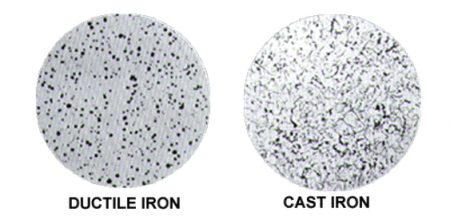
Ductile iron is a type of iron that has enhanced strength and flexibility compared to traditional cast iron. This is achieved by adding small amounts of elements like magnesium to the iron during the smelting process. The result is a material that can withstand higher stress without breaking, making it ideal for applications where impact resistance is important.
2. What is Cast Iron?
Cast iron, on the other hand, is an alloy of iron, carbon, and silicon. Typically, it is more brittle than ductile iron and is known for its excellent casting characteristics and wear resistance. However, it doesn’t have the same level of toughness, which can lead to cracks under heavy stress or impact.
3. What are the Key Differences Between Ductile Iron Valves and Cast Iron Valves?
The differences between ductile iron valves and cast iron valves are substantial. Here are the key points to consider:
Strength and Flexibility: Ductile iron valves have higher strength and flexibility due to their manufacturing process. This makes them suitable for high-pressure applications and areas with fluctuating loads.
Corrosion Resistance: Ductile iron has better corrosion resistance when adequately coated. Cast iron is more susceptible to rust, which can shorten its lifespan, especially in wet or humid environments.
Weight: Ductile iron valves tend to be lighter than cast iron valves of the same size. This can make installation easier and reduce shipping costs for manufacturers.
Cost: Generally, ductile iron valves are more expensive upfront due to the enhanced material properties. However, the improved durability can make them cost-effective in the long run.
Applications: Ductile iron valves are often used in municipal water and wastewater systems and industrial processes, while cast iron valves are better suited for low-pressure systems and internal plumbing applications.
4. What Should You Choose: Ductile Iron Valves or Cast Iron Valves?
The choice between ductile iron and cast iron valves largely depends on your specific application needs. If you require a valve that can handle high pressure and has resistance to impact, ductile iron is likely the better option. For applications where cost is a primary concern and the demands are lower, cast iron might suffice.
5. Which is more economical, ductile iron or cast iron?
Cast iron is generally more economical than ductile iron under normal operating conditions. This is mainly because the production process of cast iron is more mature and simple, there is no need to add nodularizing agents (such as magnesium) for spheroidizing treatment, and the raw material cost and manufacturing cost are lower. However, this economy comes at the expense of strength, toughness, and impact resistance—cast iron is brittle and has a lower pressure rating. In contrast, although ductile iron is more expensive per unit, its high strength and excellent crack resistance mean that it can be designed with thinner wall thicknesses and in some cases reduce overall weight. From a full life cycle perspective, ductile iron valves can often reduce later maintenance and replacement costs due to their higher safety, reliability, and longer service life. Therefore, the choice needs to weigh the short-term purchase cost and long-term use benefits: for non-critical occasions with stable pressure and mild working conditions, cast iron is undoubtedly a more cost-effective choice; while in scenarios with high pressure, vibration, or safety requirements, the extra upfront investment in ductile iron is worth the money.
6. Conclusion
TWS is a well-known valve brand in Tianjin. Its product line covers butterfly valves, gate valves, check valves, etc. When selecting a valve, if the working conditions are high and the crack resistance requirements are high, TWS ductile iron valves can be selected; if the working conditions are mild and the budget is limited, its cast iron valves are more economical.
Post time: Jul-09-2026


