
I. What is epoxy spray coating?
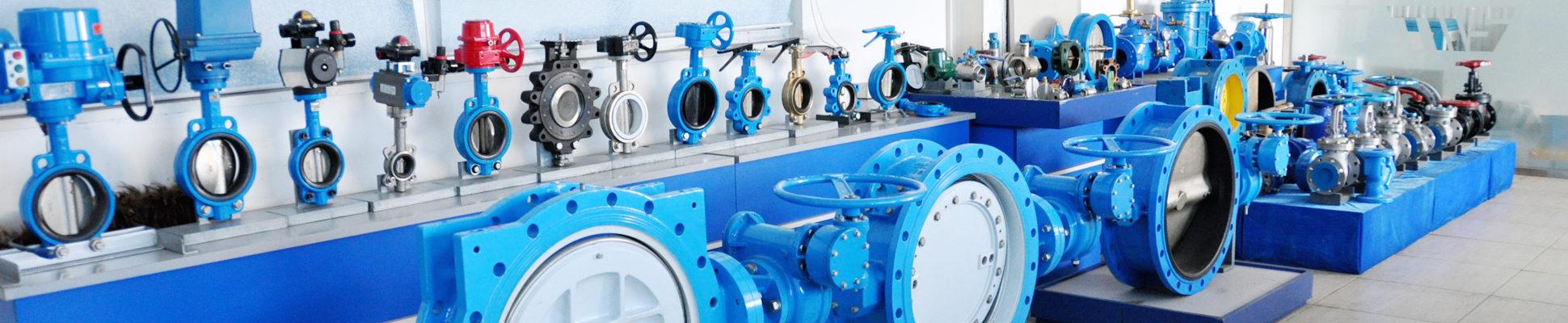
Epoxy spray coating is a two-component coating with epoxy resin as the main film-forming substance. It is applied to the metal surface by spraying or brushing to form a protective layer. It is characterized by strong adhesion and excellent resistance to cathodic peeling. A single coating can achieve thick build construction (up to 1250 microns) without sagging. It is cured at room temperature and is easy to construct. Epoxy coating is suitable for erosion and corrosion protection of pipeline linings, containers, pumps and valves and other equipment, and the working temperature can usually reach about 120°C.
II. What is Halar coating?
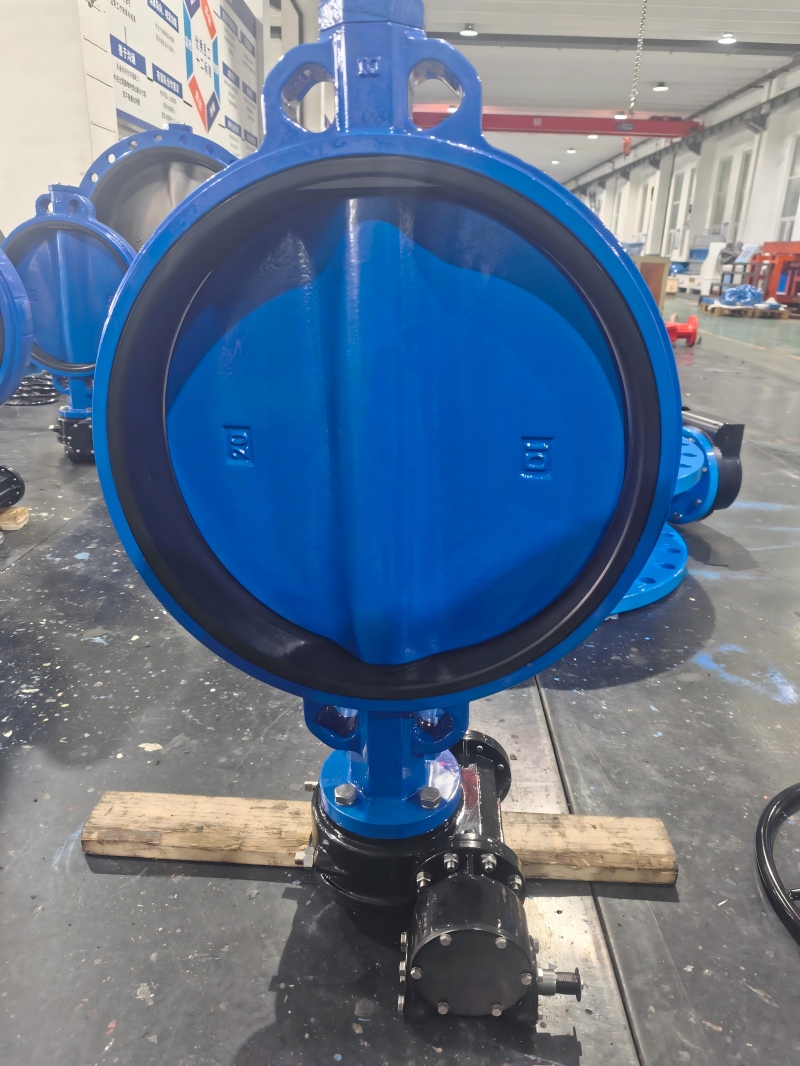
Halar is the trade name of ECTFE (ethylene-chlorotrifluoroethylene copolymer) fluoropolymer powder coating, which is a high-performance fluorine-containing material. It is applied to the surface of metal substrates through an electrostatic spraying process, with a melting point between 220-245°C and a maximum continuous use temperature of 150°C.
III. What is the difference in chemical corrosion resistance between the two?
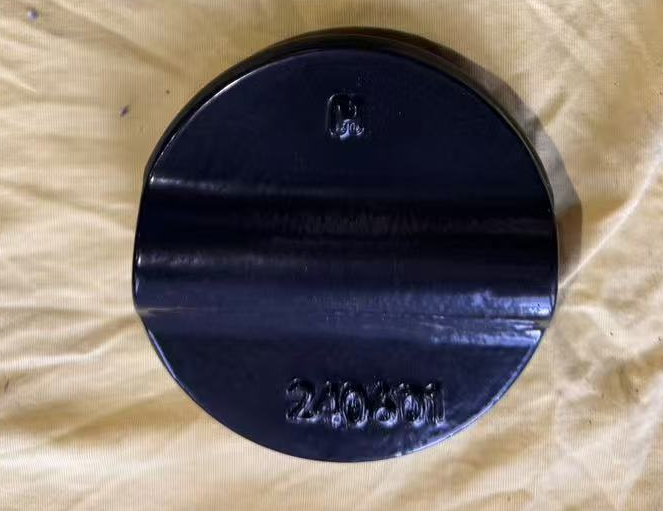
Halar coatings are more comprehensive and superior in chemical resistance. It can withstand almost all strong acids, strong bases and oZrganic solvents with a pH range of 1-14. It can be continuously soaked in extreme chemicals such as 98% concentrated sulfuric acid and 37% hydrochloric acid at 121°C for 30 days. The coating weight changes are less than 1% and the mechanical properties have no significant changes. It has excellent hydrophobicity and penetration resistance, which can effectively prevent corrosive media from penetrating the coating and reaching the metal substrate. Although epoxy coatings also have good chemical resistance, their ability to withstand strong acids (such as sulfuric acid, hydrochloric acid) and high temperatures is significantly weaker than Halar coatings.
IV. Which one is better in terms of surface performance and durability?
The surface of Halar coating is extremely smooth (average roughness Ra is only about 22nm), which is much better than epoxy coating. The smooth surface can effectively inhibit the adhesion and accumulation of particles and metal salts, reduce the formation of biofilm, reduce the risk of pinholes, and enhance anti-corrosion reliability. In addition, Halar coating is tough, scratch-resistant and impact-resistant, and has strong UV resistance, so it will not fade or fade when used outdoors.
V. How to choose a suitable coating solution?
It is recommended to choose Halar coating when——
1. Contact with strong acid, strong alkali or mixed corrosive chemicals;
2. The working temperature exceeds 120℃ (maximum 150℃);
3. Outdoor or strong ultraviolet environment;
4. An ultra-smooth surface is required to prevent particles from adhering;
It is recommended to choose epoxy coating in the following situations:
1. Neutral or weakly corrosive environment, temperature below 120°C;
2. The construction period is tight and requires quick repair;
3. Cost control is relatively strict.
VI. Conclusion
Tianjin Tanggu Water-Seal Valve Co., Ltd has a professional technical team that can tailor-make butterfly valves, gate valves, check valves and other valve products according to your specific working conditions, and provide spraying solutions that meet specific anti-corrosion requirements. Whether it is epoxy spraying or Halar coating, we can accurately select materials and scientifically construct them to ensure that the valve remains stable and reliable in harsh environments. Welcome to put forward your working conditions requirements, and we will create an exclusive integrated valve and coating solution for you.
Post time: Jul-13-2026


