
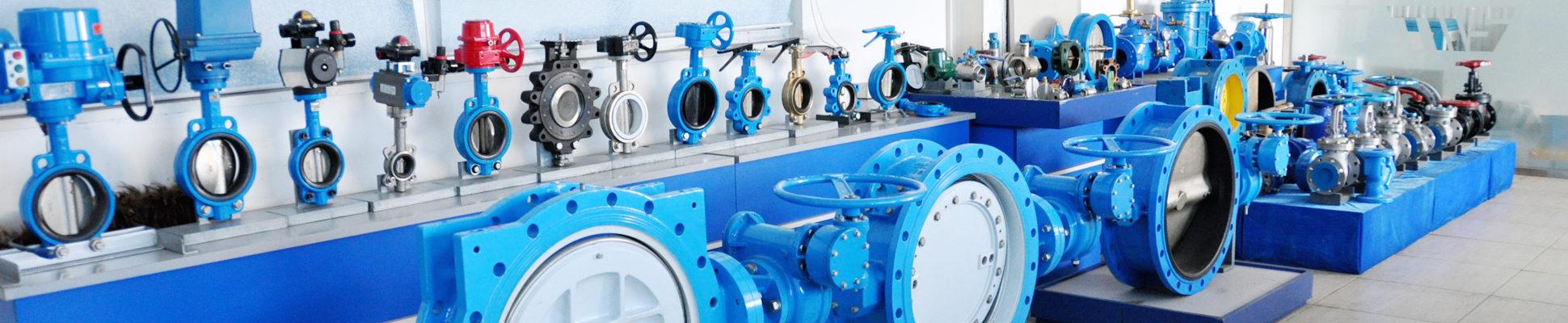
DIN butterfly valve refers to a butterfly valve that complies with the German Industrial Standard (Deutsches Institut für Normung, DIN). This type of valve follows specific DIN specifications in terms of structure, size, material and performance, ensuring the interchangeability and reliability of the product. It is especially widely used in many industrial fields in Europe and around the world.
I. Core Standards
DIN butterfly valves do not follow a single standard, but correspond to different DIN specifications according to different application scenarios:
- DIN EN 593: This is a general standard for industrial metal butterfly valves. It specifies the design, manufacturing and testing requirements for flange and wafer butterfly valves. It is suitable for conventional industrial media such as water, steam, and oil.
- DIN 11851 / DIN 11850: This is the standard for sanitary valves. It has strict requirements for surface finish, non-toxic materials and dead-angle design. It is widely used in industries with extremely high hygiene requirements such as food, beverages, pharmaceuticals and cosmetics.
II. Main Features
- Compact structure and light weight: Compared with gate valves or globe valves of the same caliber, DIN butterfly valves are smaller and lighter, which can effectively save installation space and pipeline support costs.
- Quick opening and closing, small flow resistance: it can be fully opened or fully closed by 90° rotation, which is easy to operate. When fully open, the butterfly plate is parallel to the flow direction of the medium, and the fluid resistance is extremely small.
- Various materials: The valve body is commonly made of 304, 316L and other stainless steel to meet the corrosion resistance requirements of different media; the sealing gasket is made of EPDM (ethylene propylene diene monomer), VMQ (vinyl methyl silicone rubber), PTFE (polytetrafluoroethylene) and other materials according to the working conditions.
- Flexible connection methods: Provides a variety of connection forms to adapt to different pipeline systems, including:
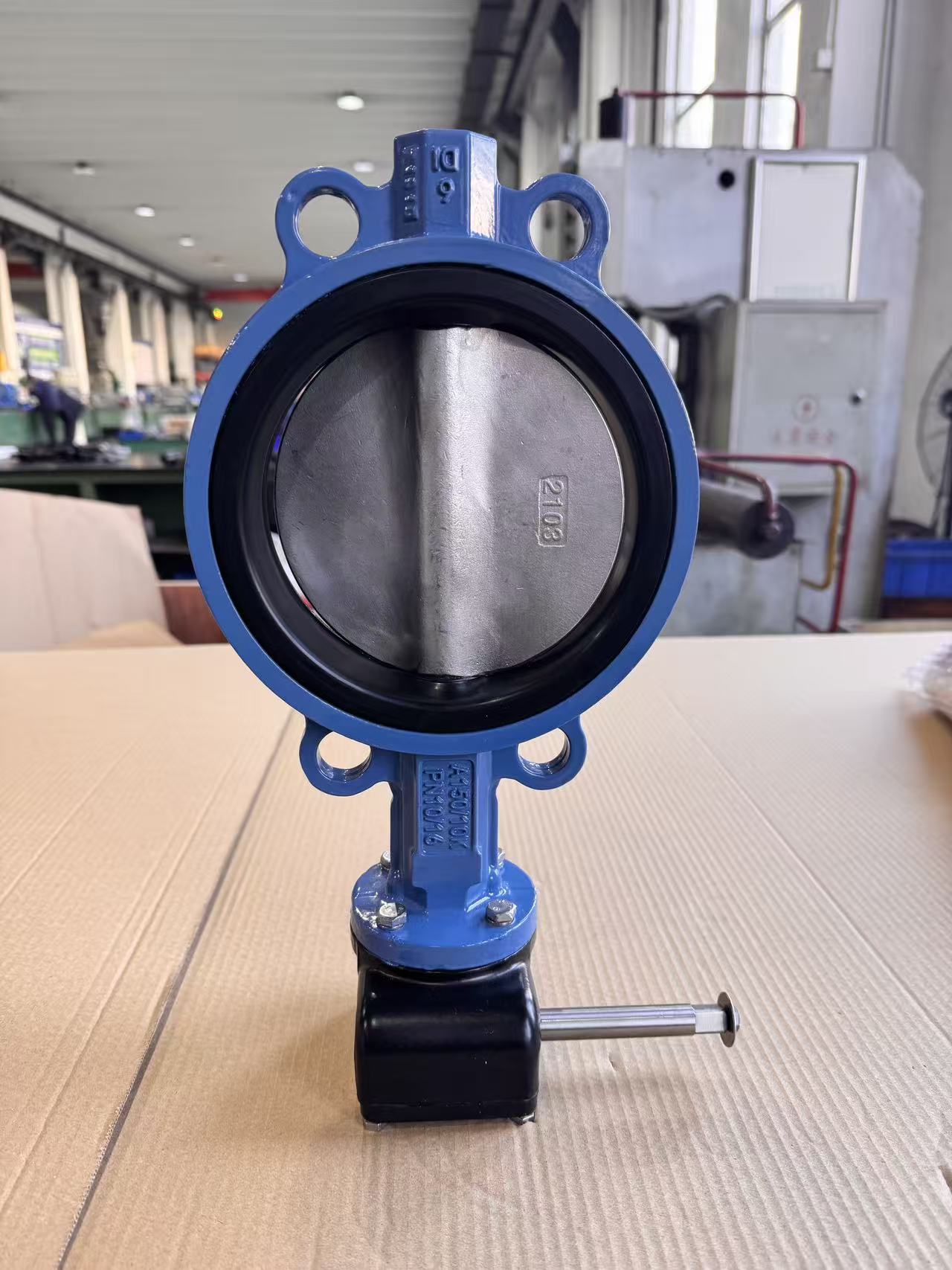
Wafer: Sandwiched between two pipe flanges, the most common.
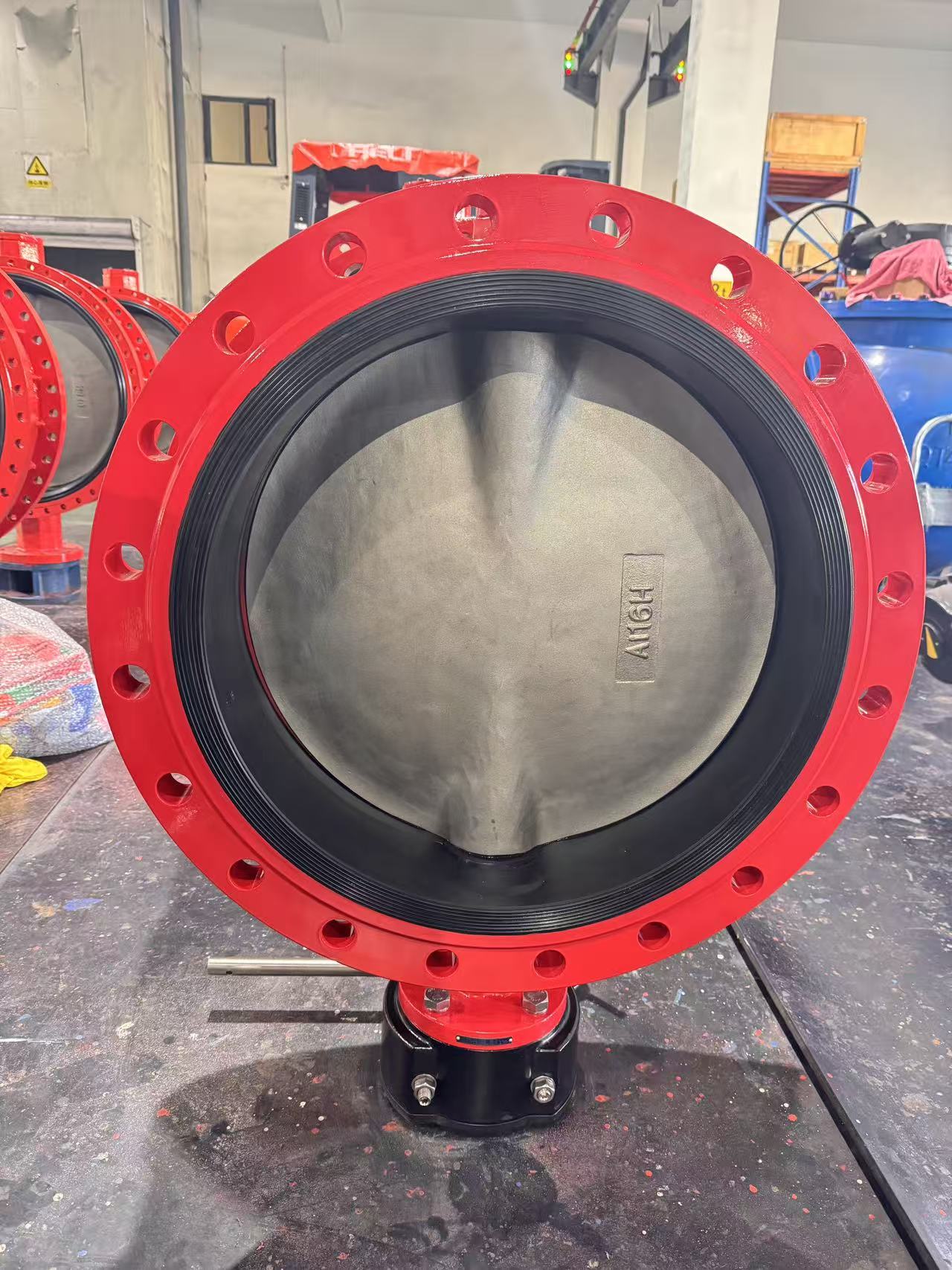
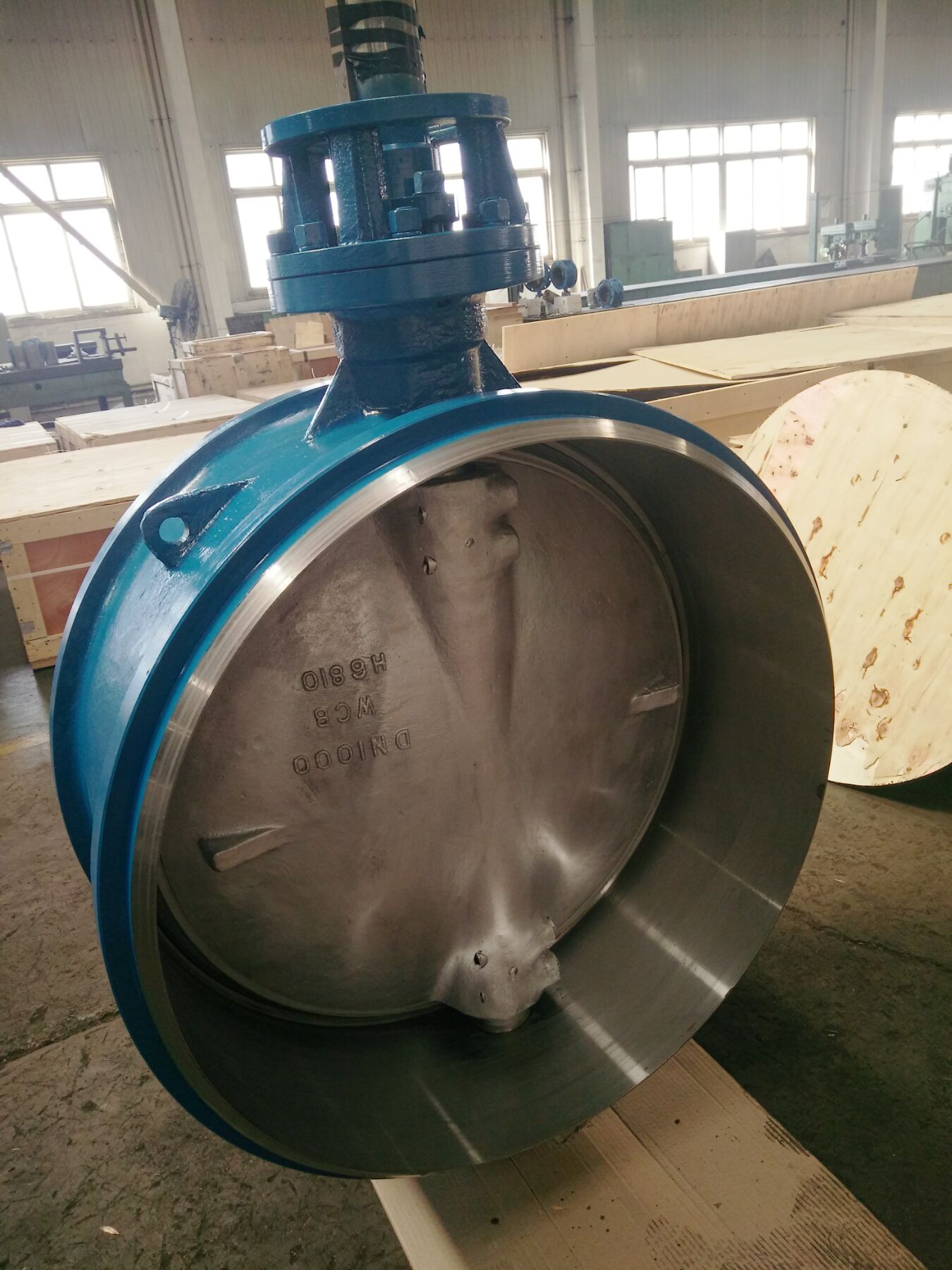
Flanged: The valve body comes with its own flange, which is connected to the pipe flange with bolts.
Welding End: Directly welded to the pipe for better sealing.
Threaded End: Connected to pipes through internal and external threads, often used in small-diameter sanitary valves.
Clamp: A common connection method for sanitary pipelines, which facilitates quick disassembly and cleaning.
 |
 |
 |
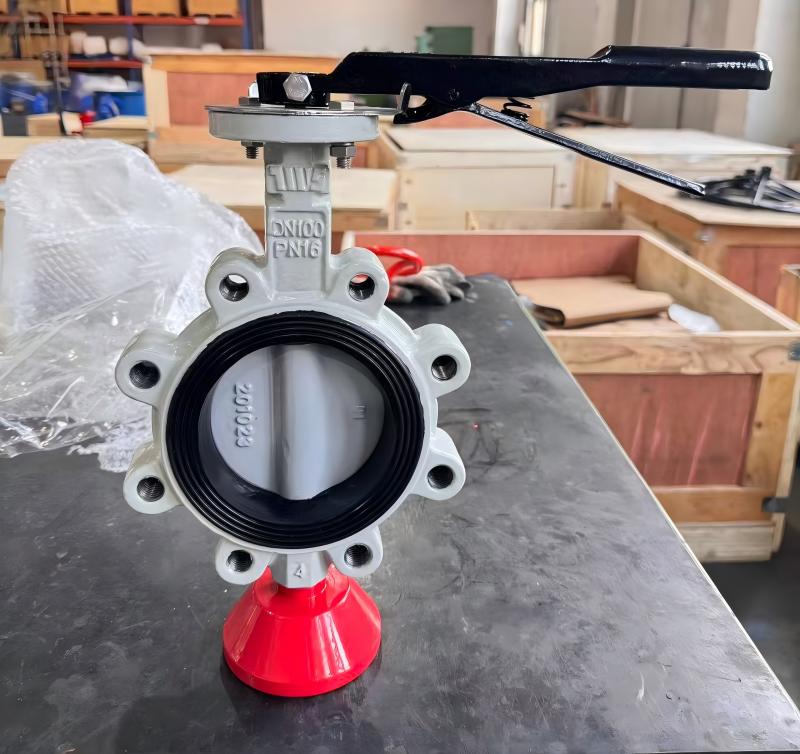
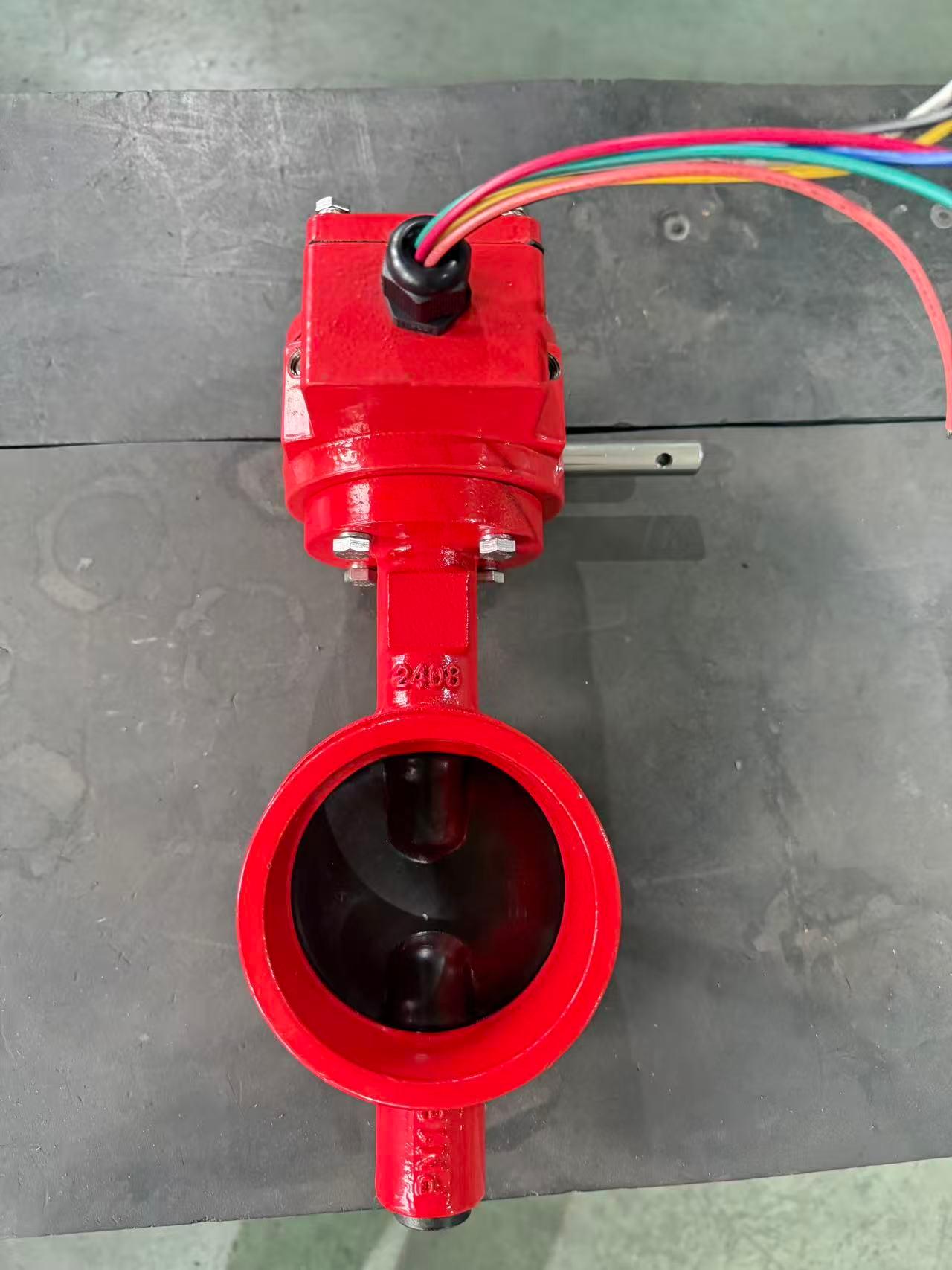
III. Typical application areas
DIN butterfly valves are widely used in the following industries due to their reliability and standardization advantages:
- Food and Beverage: Sanitary pipelines for beer, dairy, juice, etc. production lines.
- Pharmaceuticals and cosmetics: processes with strict requirements on cleanliness and no dead ends.
- Water treatment and water supply and drainage: municipal water supply, sewage treatment, heating, ventilation and air conditioning (HVAC) systems.
- Chemical and petrochemical industry: transporting various corrosive or non-corrosive liquids and gases.
- Ships and offshore engineering: marine ballast water systems, fire protection systems, tanker pipelines, etc. Some products require classification society certification.
IV. Key Selection Considerations
When choosing a DIN butterfly valve, you need to consider the following factors:
|
Considerations |
Illustrate |
|
Media Properties |
The corrosiveness of the liquid, cleanliness, whether it contains particles, etc., determine the material of the valve body and seals. |
|
Working Pressure & Temperature |
This is the primary basis for selecting the pressure grade (such as PN10, PN16) and seal type (soft seal or hard seal). |
|
Functional Requirements |
Is it for simple shutoff/isolation, or does it require flow regulation? The regulating function places higher demands on valve design and actuators. |
|
Drive Mode |
Choose from manual (handle/worm gear), pneumatic, electric or hydraulic actuators depending on frequency of operation and automation needs. |
|
Connection Standards |
Confirm the pipe flange standard (such as DIN, ANSI, GB) and connection method to ensure that the valve can be installed correctly. |
V. Installation & Maintenance Tips
Before installation: Make sure the valve is in a slightly open state to avoid the butterfly plate extruding and damaging the valve seat. Check whether the pipe flange is flat and clean.
During installation: Ensure that the valve and pipe flange are concentric, and the bolts must be tightened evenly, symmetrically, and in stages to prevent deformation or leakage caused by uneven stress on the valve body.
During operation: It is strictly prohibited to apply excessive external force to force the valve to open when it is closed. For regulating purposes, long-term operation at small openings (<15°) should be avoided to prevent high-speed fluid from eroding the valve seat.
Maintenance: Check the valve stem seal regularly for leaks. For valves that have not been operated for a long time, they should be moved several times regularly to prevent them from getting stuck.
Post time: Aug-27-2026


