
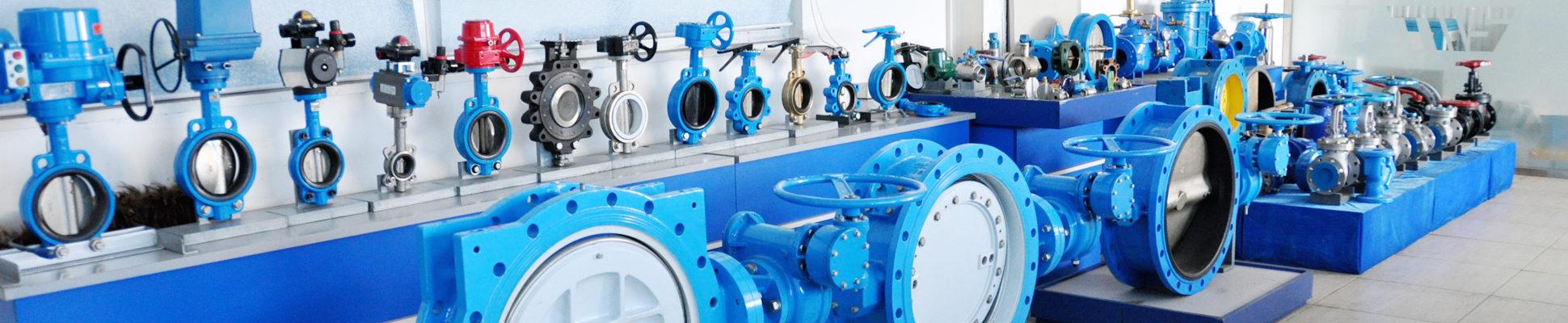
Water treatment facilities are instrumental in providing clean and safe water for many different application. Butterfly valves are one of the most important components in a water treatment facility as they are utilized to control water flow and the amount of chemicals distributed. The selection of the appropriate butterfly valve is critical to the efficient operation of a facility, reducing maintenance and overall costs as well as ensuring the quality of water remains high.
An overview of butterfly valves
Butterfly valves are quarter-turn valves that use a circular disc to control the flow of fluids. The disc is mounted on a rotating shaft, which allows it to be positioned perpendicular or parallel to the flow. When the disc is parallel to the flow, the valve is open, and when it is perpendicular, the valve is closed. These valves are known for their compact design, lightweight construction, and quick operation, making them ideal for use in water treatment plants.
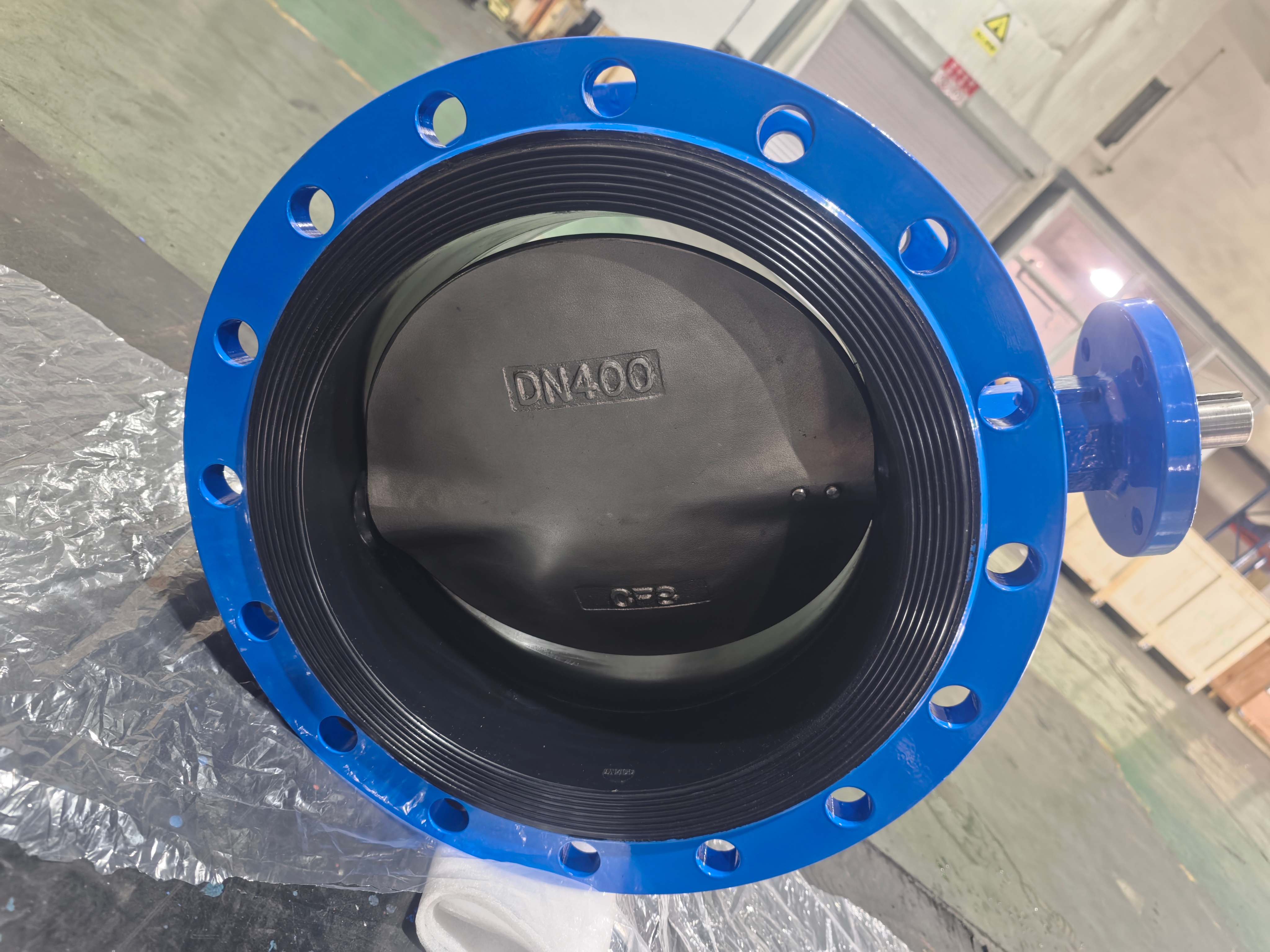
I. Major Considerations when Selecting a Butterfly Valve Fluid Characteristics
The fluid’s nature is the primary consideration when selecting the appropriate butterfly valve material, so an understanding of fluid properties such as corrosive, viscosity, temperature, and whether or not the fluid has any suspended solids. For instance, a body of water that is corrosive will require a stainless steel valve or a valve with a rubber lining to avoid corrosion and provide maximum service life.
II. Flow Rate and Pressure
The flow rate and pressure requirements of the water treatment plant are critical in determining the appropriate size and type of butterfly valve. The valves flow coefficient (Cv) is an important parameter that indicates its ability to control flow. A higher Cv rating means the valve can handle a greater flow rate with minimal pressure drop. Additionally, the valves pressure rating should be at least 1.5 to 2 times greater than the systems maximum operating pressure to ensure safe and reliable operation.
III. Material Compatibility
The materials used in the construction of the butterfly valve must be compatible with the water and any chemicals used in the treatment process. Common materials for butterfly valves include stainless steel, ductile iron, and various plastics such as PVC, PP, and PVDF. The choice of material will depend on factors such as corrosion resistance, temperature range, and cost. For example, PVC butterfly valves are often used in water treatment plants due to their excellent chemical resistance and cost-effectiveness.
IV. Valve Type and Design
Butterfly valves come in various types and designs, each with its own advantages and applications. The two main types are concentric and eccentric butterfly valves. Concentric butterfly valves are suitable for clean water applications and provide reliable sealing performance. Eccentric butterfly valves, on the other hand, are designed for more demanding applications involving high pressure, high temperature, or corrosive fluids. They offer better sealing and longer service life in such conditions.
V. Actuation Options
The method of actuation is another important consideration when selecting butterfly valves. Manual operation is suitable for applications where frequent adjustment is not required. However, for more complex systems or those requiring remote control, automated actuation options such as electric, pneumatic, or hydraulic actuators may be necessary. Automated valves can be integrated with control systems to provide precise flow control and monitoring.
Conclusion
Selecting the right butterfly valve for a water treatment plant involves careful consideration of various factors, including fluid characteristics, flow rate, pressure, material compatibility, valve type, actuation options, installation requirements, and compliance with industry standards. By taking these factors into account, you can choose a butterfly valve that will provide reliable performance, minimize maintenance costs, and ensure the efficient operation of your water treatment plant.
Post time: Jul-02-2026


