
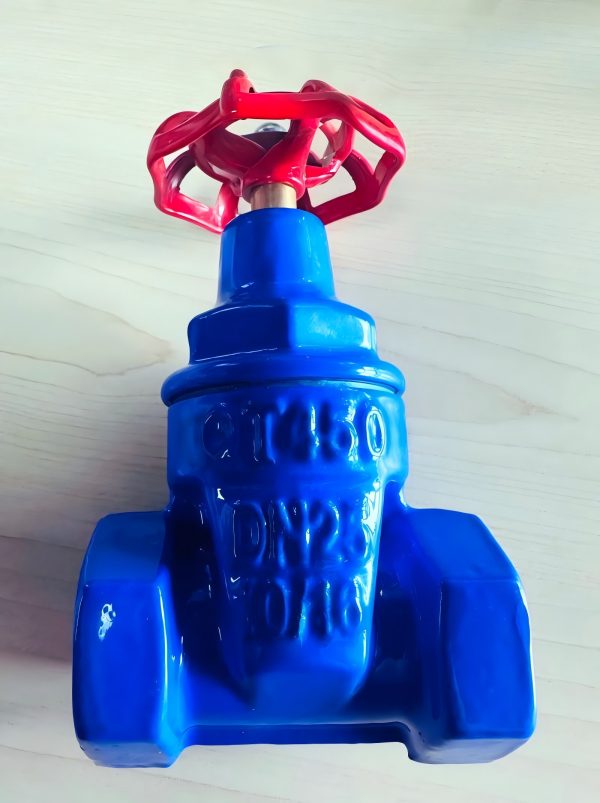
1. What is the internal thread connection of the valve?
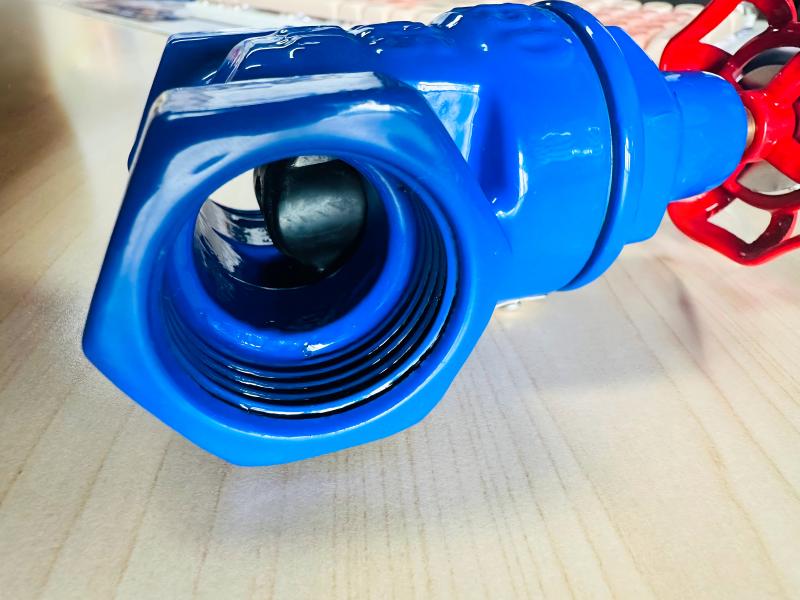
Internal thread connection means that the end of the valve body is processed into a tapered tube or straight tube female thread (internal thread), and the pipe connected to it is processed into a tapered tube or straight tube male thread (external thread), and the connection is achieved by screwing. To put it simply, the “interface” of the valve is an internal thread, and the pipe is “extended in” and tightened.
2. What is the valve external thread connection?
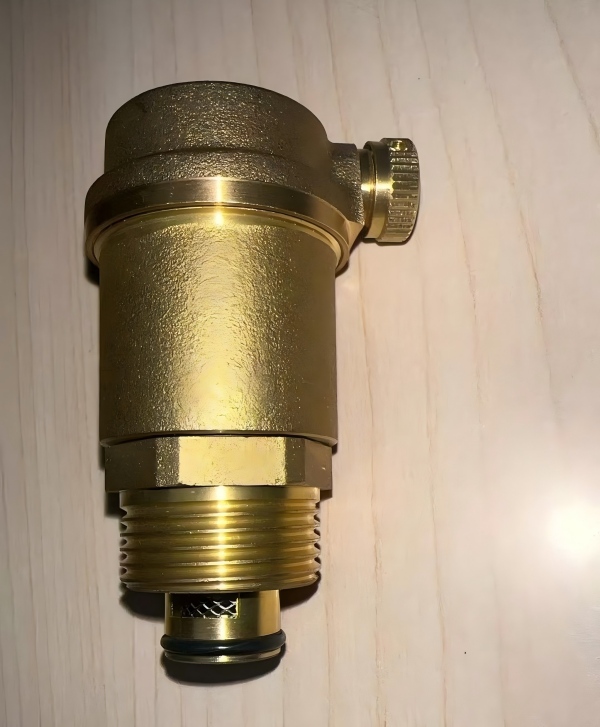
The opposite is true for external threaded connections – the end of the valve body is processed into male threads (external threads), and the matching pipes or fittings must have internal threads. The valve itself “extends” the threaded head and needs to be connected with a pipe fitting with internal threads.
3. What is the most intuitive structural difference between the two?
· Internal thread valve: The interface is recessed inward, and the external thread of the pipe is screwed into the inside of the valve body
· External thread valve: The interface protrudes outward, and the external thread of the valve is screwed into the inside of the pipe fitting.
From the appearance point of view, the threads of internally threaded valves are mostly pipe threads, while the external threads are mostly tapered threads.
4. Is there any difference in diameter and flow rate between internal thread and external thread valves?
There are differences. Under the same diameter, the diameter of external thread connection is usually smaller than that of internal thread, the medium flow rate is faster and the flow rate is relatively small. This is because the external thread structure requires a thicker wall thickness to ensure strength, which occupies the flow cross-sectional area.
5. Which connection method is more resistant to high pressure?
Externally threaded valves are more resistant to high pressures. Under the same material, the valve body wall thickness of external thread valves is usually thicker than that of internal threads (the smaller the diameter, the thicker the wall thickness), and has stronger pressure resistance. Threaded valves with higher pressure ratings often use external thread designs.
6. What are the applicable scenarios for the two connection methods?
Internally threaded and externally threaded valves have their own applicable scenarios – the internal thread is economical and practical, has a large diameter, and is suitable for regular low-pressure working conditions; the external thread has high wall thickness, strength, and better pressure resistance, and is suitable for higher-pressure situations.
7. Conclusion
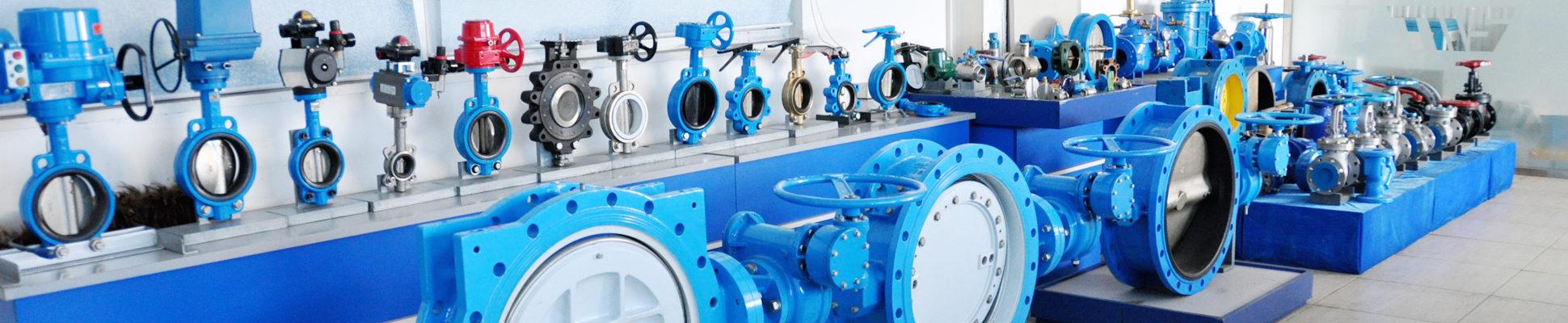
Regardless of the internal thread or external thread connection method, the core is to select a valve that matches the pipeline system. Tianjin Tanggu Water-Seal Valve Co,. Ltd not only provides small-diameter threaded valves suitable for water systems, but also mass-produces large valves such as butterfly valves, gate valves, and check valves, covering a variety of working conditions. Welcome to consult at any time, we will recommend you the most suitable valve solution for your pipeline system.
Post time: Sep-07-2026


