
In the design and procurement of pipes, pipe fittings and valves, Φ, DN and inches (“) are three easily confused specification units. Their core difference is that: Φ represents the absolutely real physical outer diameter, DN is the specification code in the metric system, and inches is the specification code in the imperial system. Next, the detailed differences and connections between the three are explained:
1. Differences in core definitions
Φ (diameter): Φ is the Greek letter that in engineering represents the true physical diameter (usually the outer diameter). It is the most unambiguous identification and requires no conversion. For example, Φ114.3 means that the actual outer diameter of the pipe is 114.3mm.
DN (Nominal Diameter): DN (Nominal Diameter) is the nominal diameter in the metric system. It is neither the inner diameter nor the outer diameter, but a “nominal size” artificially specified for the convenience of connection (approximately the average of the inner diameter and the outer diameter). For example, DN100 is just a specification code and its actual outer diameter might be 114.3mm or 108mm.
Inch (“): Inch is a unit of length in the imperial system (1 inch = 25.4mm). In pipes, it also represents a nominal diameter. For example, 4″ represents a 4-inch pipe, and its actual outer diameter is fixed at 114.3mm.
2. Clarity and uniqueness of identification
Φ The most clear: the actual outer diameter is directly marked, what you see is what you get, there is no ambiguity.
Inches are more specific: In British pipes (Pipe), the outer diameter corresponding to inches is unique. For example, 4″ is Φ114.3, 10″ is Φ273, no additional confirmation is required.
There is ambiguity in DN: the same DN value may correspond to two different outer diameter series in domestic pipeline systems. For example DN100:
- I series (A series/international): outer diameter is Φ114.3mm
- II series (B series/domestic use): outer diameter is Φ108mm
Therefore, when purchasing or drawing, if you only write DN100, you must also indicate whether it is I series or II series, otherwise it is easy to buy the wrong product.
3. The correspondence and conversion relationship between the three
These three cannot be converted by simple mathematical multiplication and division (for example, you cannot directly use DN100 / 25.4 to calculate inches), but must rely on industry standard comparison tables.
|
Nominal Diameter (DN) |
Imperial Specifications (inch) |
Actual Outer Diameter (Φ) I series/ A series |
Actual Outer Diameter (Φ) II series/ B series |
|
DN15 |
1/2″ |
Φ21.3 |
Φ18 |
|
DN25 |
1″ |
Φ33.4 |
Φ32 |
|
DN50 |
2″ |
Φ60.3 |
Φ57 |
|
DN100 |
4″ |
Φ114.3 |
Φ108 |
|
DN200 |
8″ |
Φ219.1 |
Φ219 |
|
(Note: The above data are referenced from common domestic pipeline standards) |
|||
4. Applicable scenarios and labeling specifications
DN: Commonly used in water and gas transportation steel pipes (galvanized or non-galvanized), cast iron pipes, plastic pipes, etc.
Φ: Commonly used in seamless steel pipes, stainless steel pipes, non-ferrous metal pipes, etc. When marking, it is usually used in conjunction with the wall thickness, such as Φ108×4 (meaning outer diameter 108mm, wall thickness 4mm).
Inch: Mostly used in pipes and valve fittings in the American and European systems, as well as in traditional industrial fields such as oil and natural gas.
5. Summary
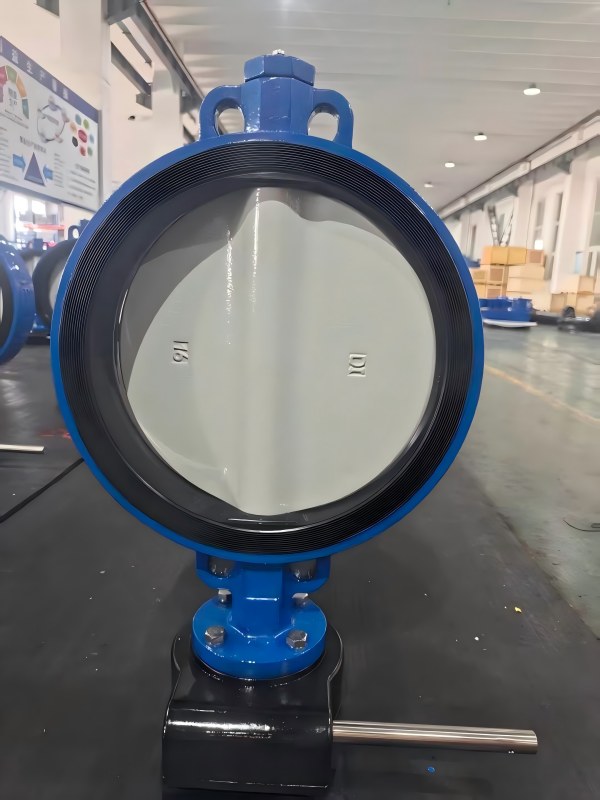
Φ: Represents the actual outer diameter of the pipe. To select the matching butterfly valve, gate valve, and check valve, just check the actual outer diameter of the pipe directly.
DN: It is only the metric nominal diameter code. When purchasing valves, be sure to confirm the A/I and B/II series to avoid failure to connect the flanges. TWS supplies butterfly valves, gate valves, check valves and other products. When ordering, the series parameters must be specified to ensure pipeline matching.
Inch (“): British nominal diameter, mostly used for imported valves. 25.4 cannot be used to simply convert the outer diameter directly. It needs to be confirmed by referring to the standard table.
Post time: Aug-20-2026


