
1. What is a rubber joint? What is its function in piping systems?
Rubber joints, also known as rubber soft joints and flexible rubber joints, are flexible connecting elements installed between valves and pipes. Its core functions include four points: vibration reduction and noise reduction – absorbing vibration and mechanical noise generated by the operation of water pumps, compressors and other equipment; displacement compensation – digesting the axial expansion and contraction and lateral offset of pipelines due to thermal expansion and contraction; pressure relief – protecting valves and pipelines from damage by external forces; installation convenience – allowing a certain installation error and reducing the requirements for pipeline coaxiality.
2. What are the main structural types of rubber joints?
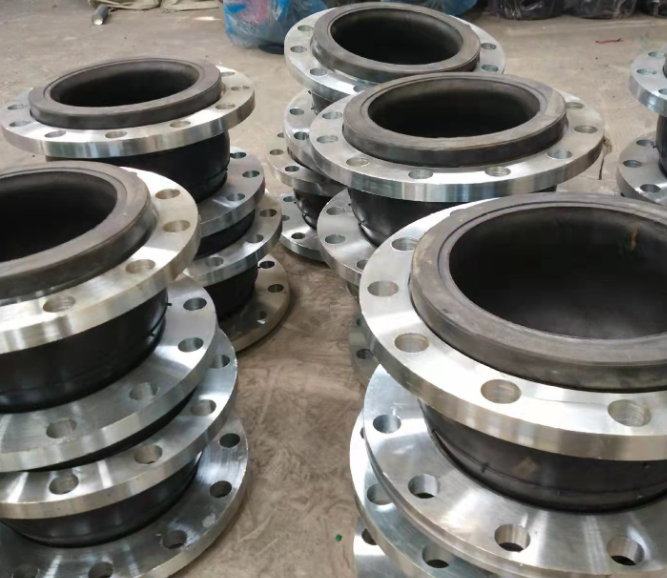
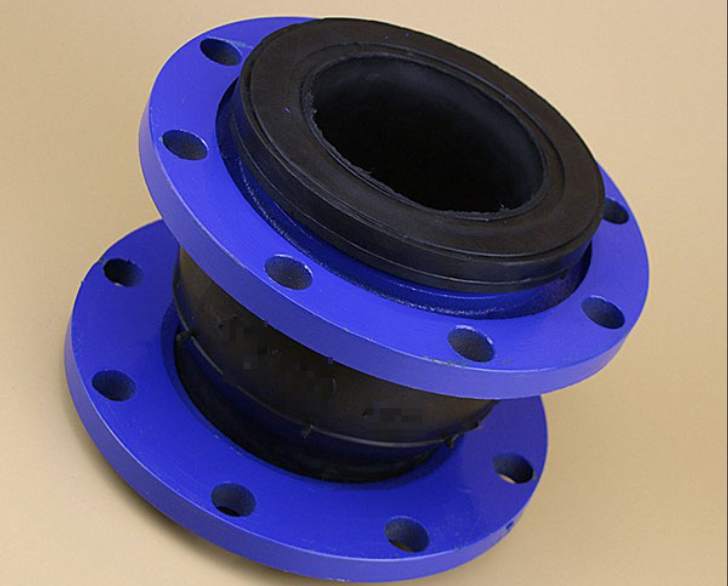
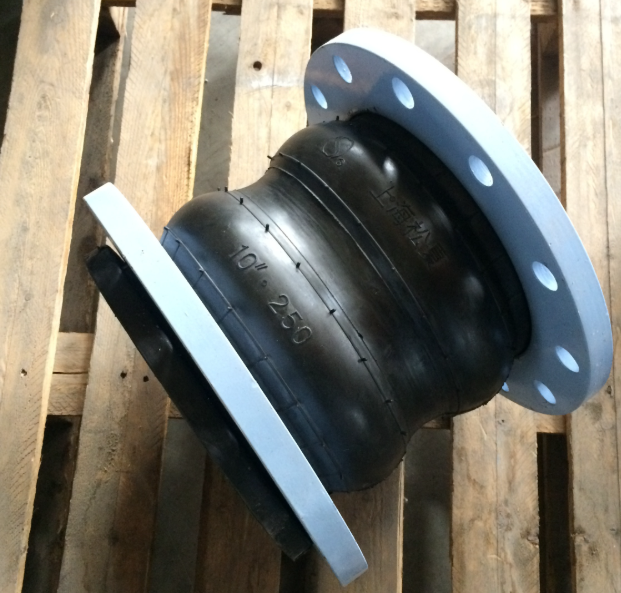
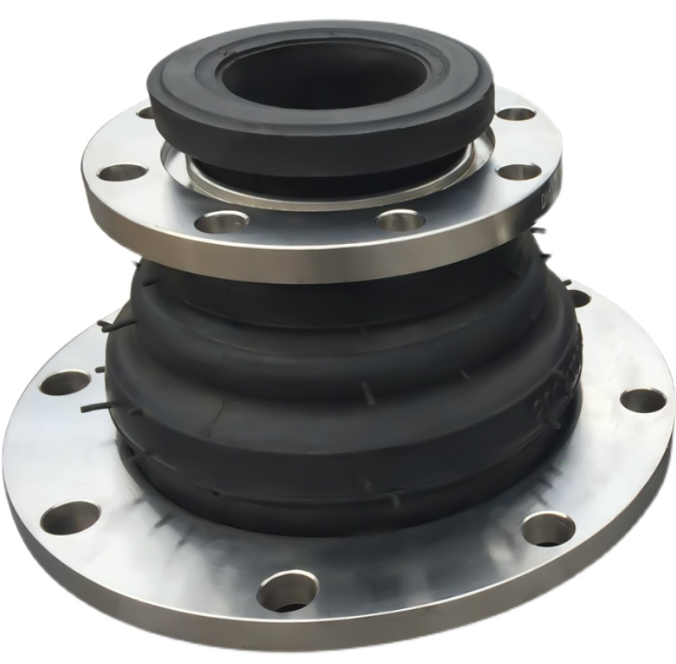
There are three common types: single sphere (the most versatile, suitable for conventional vibration reduction and displacement compensation), as shown in Figure 01; double sphere (larger compensation, suitable for larger displacement occasions), as shown in Figure 02; reducing joint (used to connect pipes of different diameters), as shown in Figure 03, the end connection method is divided into flange type (bolt connection with the valve flange) and clamp type (quick connection).
 |
 |
 |
| Figure 01 | Figure 02 |
Figure 03 |
3. How to choose rubber material according to working conditions?
Natural rubber is suitable for normal temperature media such as water and air; nitrile rubber has excellent oil resistance and is suitable for oil-containing media and fuel pipelines; EPDM rubber is ozone-resistant, weather-resistant, acid- and alkali-resistant, and is widely used in outdoor and chemical pipelines; fluorine rubber/silicone rubber is specially used for high-temperature (up to 200°C or above) or highly corrosive media. Choosing the wrong material will cause the joint to swell, crack or soften rapidly.
4. What are the key precautions during installation?
First: The installation length must comply with the product standard length, and excessive stretching or compression is prohibited (a common mistake is to forcibly stretch the hole for installation, which will seriously reduce the service life);
Second: Bolts need to be tightened evenly diagonally to avoid partial damage caused by bias;
Third: When installed at the outlet of a water pump, it should be placed on the downstream side of the valve to avoid water hammer impact;
Fourth: it should be kept away from heat sources and ozone sources (such as motor sparks and welding operations);
Fifth: it is not allowed to be used in vacuum pipelines. Unless a special negative pressure joint with a steel wire skeleton is used, the ball may be flattened.
5. How to tell when a rubber joint needs to be replaced?
It should be replaced immediately if any of the following conditions occur: there are obvious cracks, bubbles or deformations on the surface; the flange sealing surface leaks and the tightening is ineffective; the rubber becomes hard and loses elasticity (there is no sign of rebound when pressed with a fingernail); the service life marked on the product is exceeded (usually 5 to 8 years). It is recommended to conduct regular inspections, especially at key locations such as water pump outlets and water supply in high-rise buildings.
6. Conclusion
Rubber joints are responsible for flexible connection and protection, and TWS are responsible for precise control and flow interception. Only when the two are combined, the pipeline system will be complete and reliable. When choosing a valve, choose TWS—butterfly valves, gate valves, and check valves, all in one place! Welcome to call us for consultation and purchase.
Post time: Jul-31-2026


