
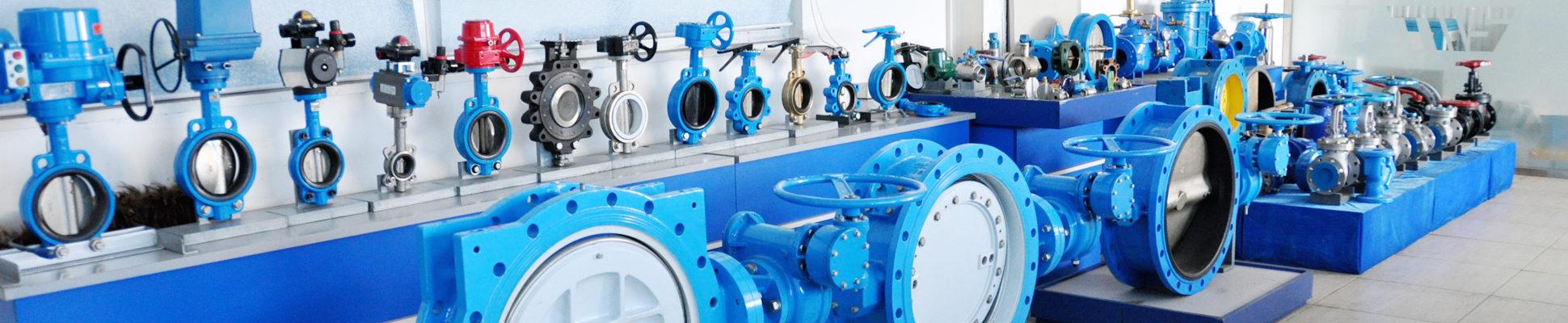
1. What are the soft seal and hard seal of gate valve?
Soft-sealed gate valves use non-metallic elastic materials such as rubber and PTFE as seals, which are soft and hard in conjunction with the metal valve seat. They rely on the elastic deformation of the sealing material to fill the gap and achieve sealing, as shown in Figure 01. Hard-sealed gate valves have an all-metal sealing structure. The sealing surface is precision ground and surfacing with hard alloy, and sealing is achieved by metal bonding, as shown in Figure 02.
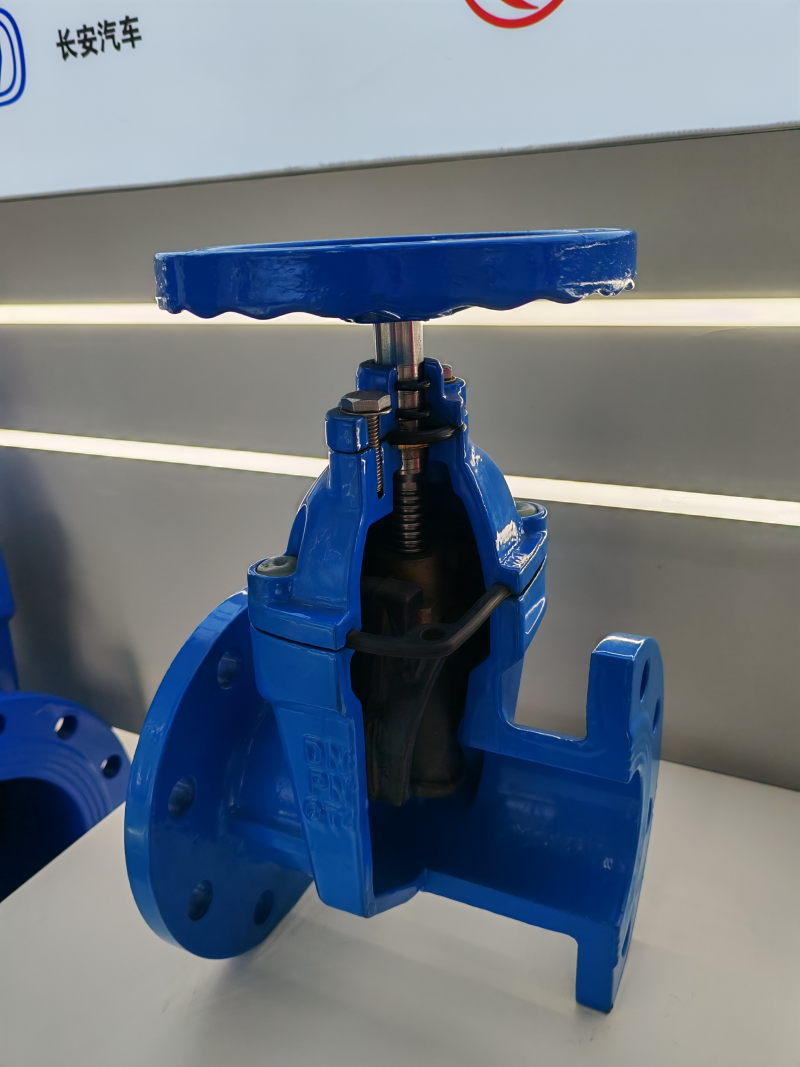
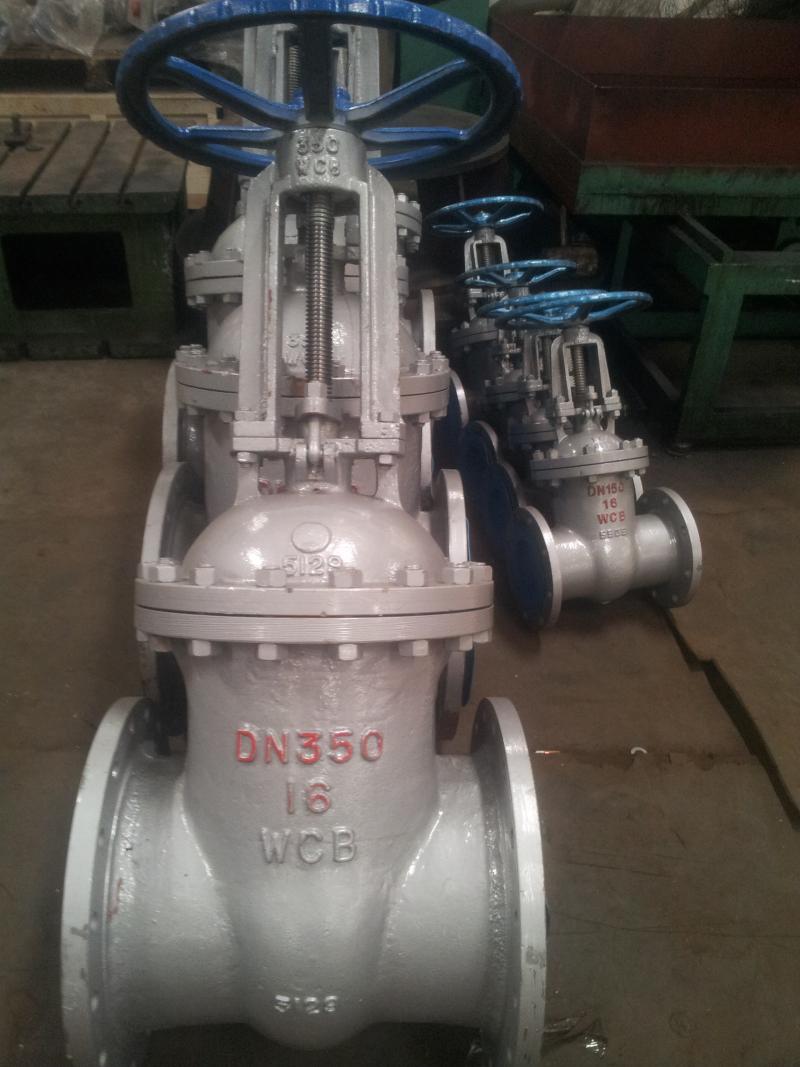
Figure 01 Figure 02
2. What is the main difference between this two?
The core difference lies in sealing materials and applicable working conditions. Soft seals have good elasticity and can achieve “zero leakage”, but are not resistant to high temperatures and wear. Hard seals are resistant to high temperatures, high pressures, and erosion, but have high processing costs and are difficult to achieve absolute zero leakage.
3. What is the maximum temperature that a soft seal gate valve can withstand?
Generally, the upper limit of applicable temperature of soft sealing materials is about 120°C. Common EPDM rubber is about 120℃, PTFE is about 200℃ (but the pressure needs to be reduced). If the sealing material exceeds this range, the sealing material will soften, deform or age and fail.
4. Can hard-sealed gate valves achieve zero leakage?
Precision-ground metal seals can achieve higher leakage levels (such as ANSI Level V or Level VI), but it is usually difficult to achieve bubble-level “absolute zero leakage” like soft seals. However, in harsh working conditions such as high temperature and high pressure, hard sealing is the only reliable option
5. How to choose soft seal or hard seal?
In short: soft seals are selected for working conditions such as normal temperature water, sewage, and gas that require zero leakage and clean media; hard seals are selected for industrial working conditions involving high-temperature steam, high-pressure oil, particles, or corrosive media.
6. Is the service life of soft seal gate valve shorter than that of hard seal?
uncertain. Under suitable working conditions, the life of a soft seal can be very long; however, if the soft seal is used in media containing particles or in a high-temperature environment, its life will be drastically shortened. Under the premise of correct selection, both can achieve satisfactory service life.
7. Is there a big price difference between the two sealing forms?
Generally, soft-sealed gate valves have lower manufacturing costs and are more economical; hard-sealed gate valves are significantly more expensive due to high material costs and complex processing techniques (such as surfacing wear-resistant layer, precision grinding).
8. What is the difference in maintenance?
The maintenance of soft-sealed gate valves is relatively simple, just replace the sealing ring; once the sealing surface of hard-sealed gate valves is damaged, on-site repair is difficult, and it usually needs to be returned to a professional manufacturer for grinding or resurfacing.
TWS: Soft seal gate valve is suitable for clean water, gas and other working conditions and can achieve zero leakage; hard seal is used for high temperature and high pressure. Butterfly valves, check valves, and air release valve are selected based on this principle, taking into account sealing performance, temperature resistance, and pressure resistance.
Post time: Jun-16-2026


