
1. What is stainless steel? What is duplex stainless steel?
Stainless steel is a general term for a type of corrosion-resistant steel, and its types are mainly classified based on the microstructure. Common ones include austenitic stainless steel (such as 304, 316) and ferritic stainless steel. Duplex stainless steel is a special type whose microstructure is a mixture of approximately half ferrite and austenite.
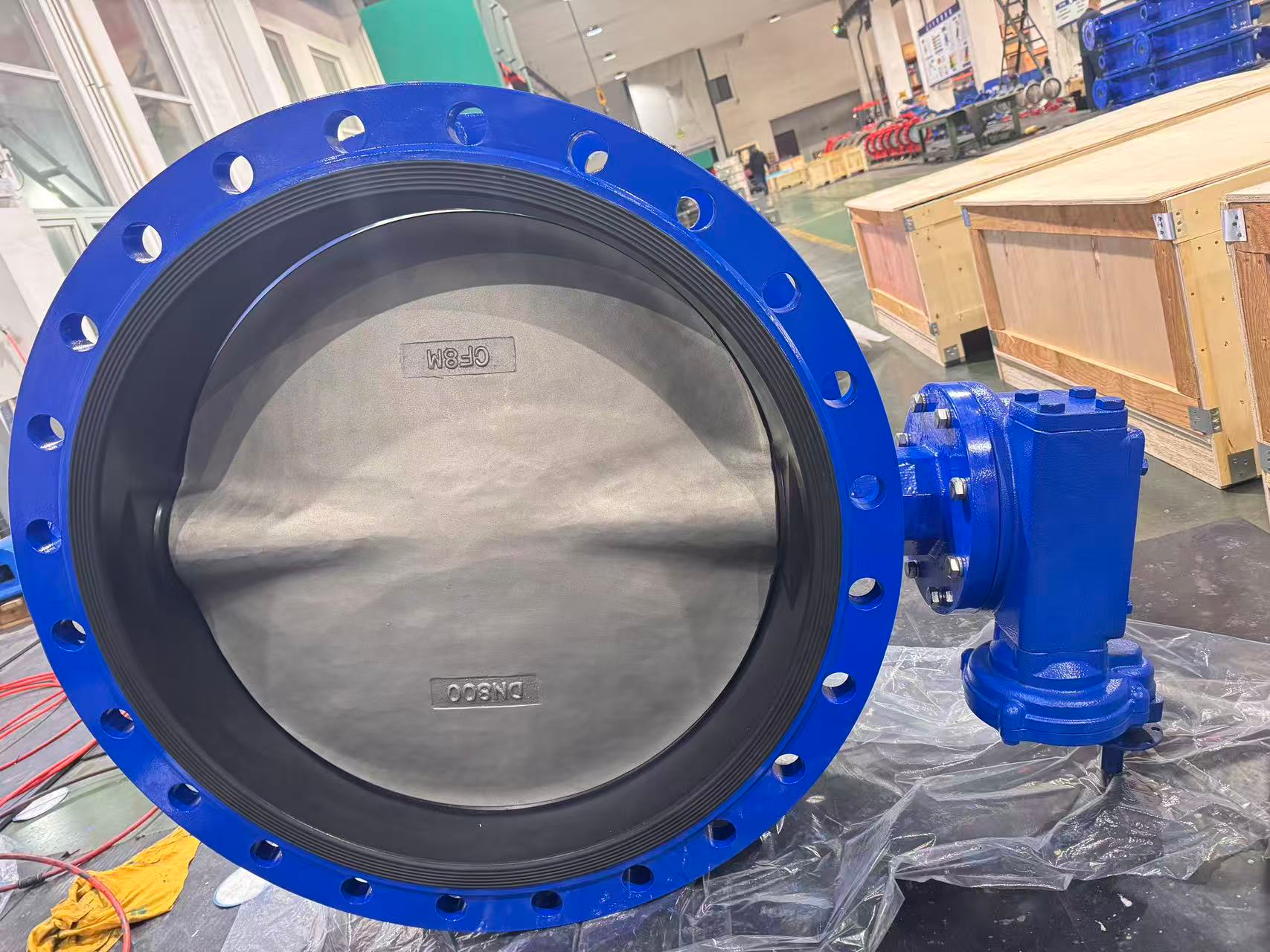
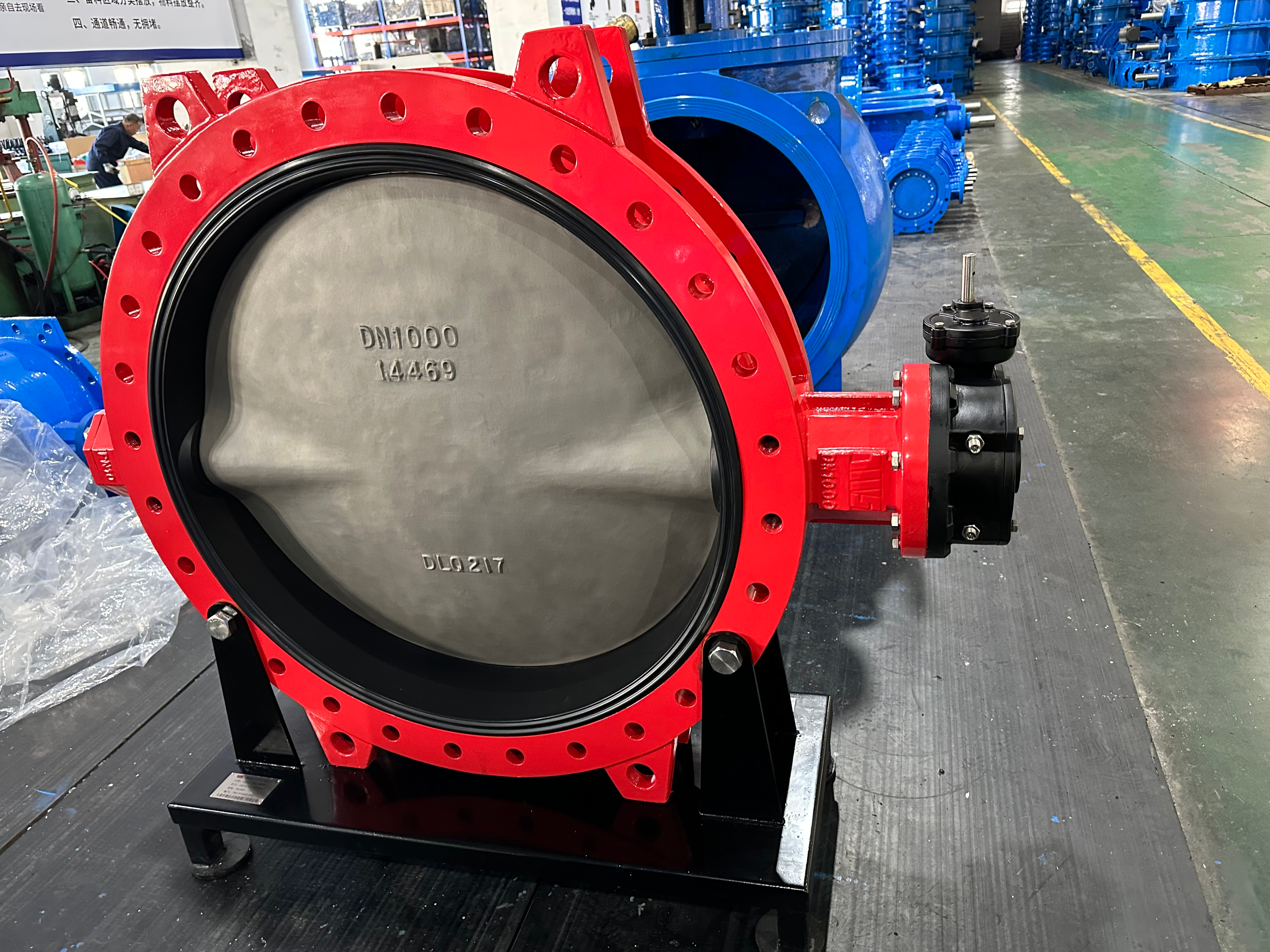
Austenitic stainless steel plate Duplex stainless steel plate
2. What are the core advantages of duplex stainless steel?
(1) Extremely high strength: Its yield strength is about twice that of ordinary austenitic stainless steel, which means that in applications such as pressure vessels, thinner materials can be used to meet the strength requirements and achieve weight and cost reduction.
(2) Excellent stress corrosion resistance (SCC): In an environment containing chlorine ions, ordinary austenitic stainless steel (such as 304) is very prone to stress corrosion cracking, while duplex stainless steel has natural advantages in this regard, and its performance is significantly better than that of 300 series austenitic steel.
3. Are there any limitations of duplex stainless steel?
(1) The use temperature is limited: Because of its medium-temperature brittleness zone such as “475°C brittleness”, it is usually not recommended to be used for a long time in high temperature environments above 250°C-300°C;
(2) Strict processing and welding requirements: its cold work hardening effect is large, its plasticity and toughness are lower than austenitic stainless steel, and its forming is relatively difficult. Line energy and cooling rate need to be strictly controlled during welding to prevent the precipitation of harmful phases and destroy the balance of the two phases.
4. How to choose between this two?
If the application scenario has high strength requirements and faces the risk of chloride stress corrosion (such as marine engineering, chemical equipment), duplex stainless steel is a better choice;
If the service involves high temperatures or requires complex cold forming, austenitic stainless steel may be more suitable.
In summary, stainless steel and duplex stainless steel each have their own advantages, and the key to selection lies in accurately matching the temperature, stress and corrosive medium of the working conditions. Welcome to consult Tianjin Tanggu Water-Seal Valve Co., Ltd. We specialize in the production of butterfly valves, gate valves, check valves and other series of products. We can accurately calculate the most suitable valve plate material scheme according to your specific working conditions to ensure long-term stable operation of the valve.
Post time: Jul-20-2026


