
1: What is the most essential difference between PTFE, EPDM and PFA materials?
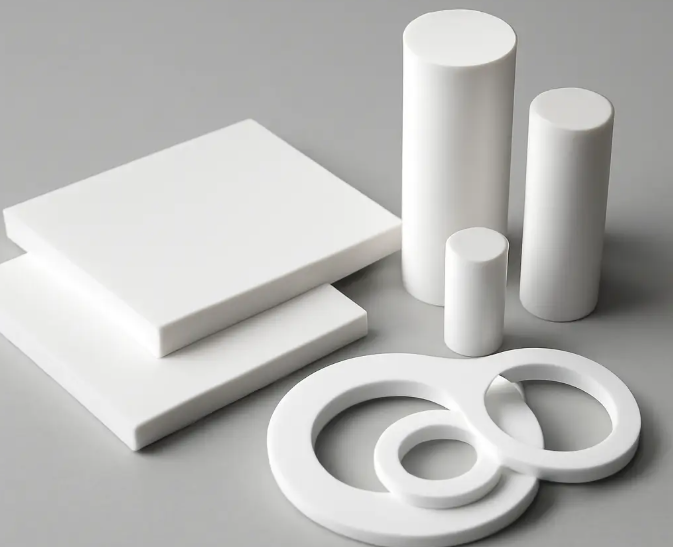
PTFE (Polytetrafluoroethylene): Commonly known as the king of plastics, it is a white solid with excellent chemical inertness and temperature resistance (-196℃~+200℃). It has an extremely low friction coefficient, but its texture is soft and not resistant to wear and high pressure.
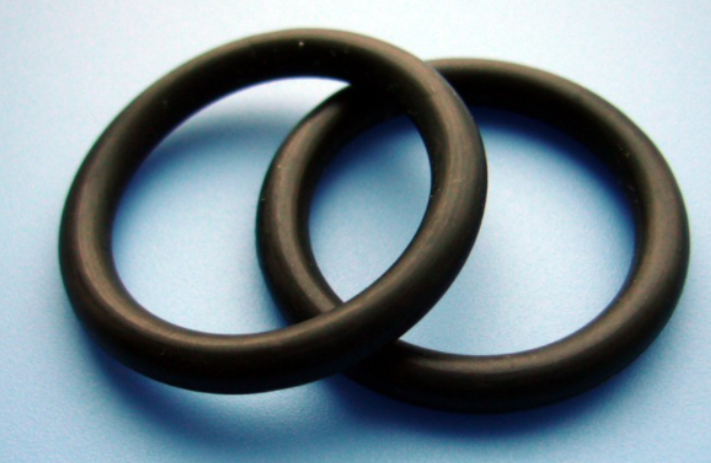
EPDM (ethylene propylene diene monomer): black elastic rubber. The core advantage is excellent resistance to hot water, steam, acid and alkali (weak acid and weak alkali) and weather resistance. The disadvantage is that it is not resistant to mineral oil and hydrocarbon solvents.
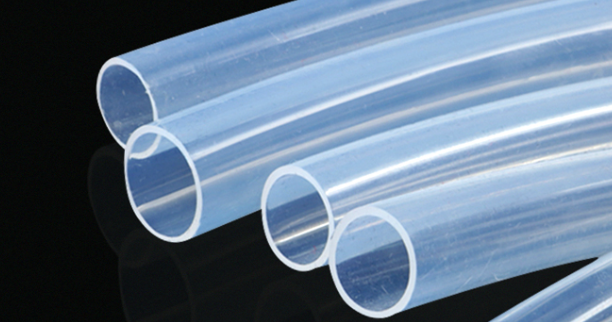
PFA (perfluoroalkoxy resin): melt-processable modified PTFE. Its performance is similar to PTFE, but its resistance to high temperatures is higher (+260°C), and it can be made into a denser valve seat with a smoother surface through injection molding. Its creep resistance and cracking resistance are better than PTFE.
2: In terms of media compatibility, which fluids are they suitable for?
PTFE: Applicable to almost all strong acids, strong bases, and organic solvents, but not suitable for molten alkali metals and high-temperature fluorine gas.
EPDM: Very suitable for hot water, steam, phosphate ester hydraulic oil, brake fluid, weak acids and bases. It is strictly prohibited to use petroleum-based oils (gasoline, diesel), toluene, and concentrated acids.
PFA: It has all the corrosion resistance of PTFE and is more stable under high temperature and pressure. It is especially suitable for ultra-pure chemicals (such as high-purity sulfuric acid and nitric acid used in the semiconductor industry).
3: How to choose between the three materials in terms of physical properties?
Sealing: EPDM > PTFE ≈ PFA. Rubber has strong elastic deformation ability and high tolerance for scratches on the valve seat surface; PTFE/PFA requires a larger initial sealing specific pressure.
Temperature resistance: PFA (+260℃) > PTFE (+200℃) > EPDM (usually +120℃, special formula +150℃).
Wear resistance: PFA > PTFE > EPDM. Media containing particles will quickly wear the EPDM valve seat, causing the switch to jam.
Torque requirements: PTFE/PFA has low friction coefficient and small switching torque. EPDM has a large friction coefficient, making it more laborious to open and close the valve.
4: How to quickly make selection decisions based on working conditions?
Step 1: Check whether the medium contains oil. If it is mineral oil or fuel oil, exclude EPDM and choose PTFE or PFA.
Step 2: Check the medium temperature and cleanliness. For high temperatures (>150°C) or highly permeable gases (such as chlorine), PFA is preferred. If the temperature is not high (<120℃) and it is water, steam or air, EPDM is the most cost-effective choice.
Step 3: Check if there are any particles or frequent switching. If it is frequently adjusted or contains hard particles, choose PFA. One-time cutting and no particles, optional PTFE.
5: Is there a “universal” material?
No. If you need to be resistant to high temperatures, strong corrosion and oil at the same time, PFA is the first choice, but it is expensive (about 3-5 times that of PTFE) and its sealing performance is not as good as rubber. If the medium does not involve oil and the temperature is not high, EPDM is the most economical. The general conservative choice is PTFE.
6: Summary
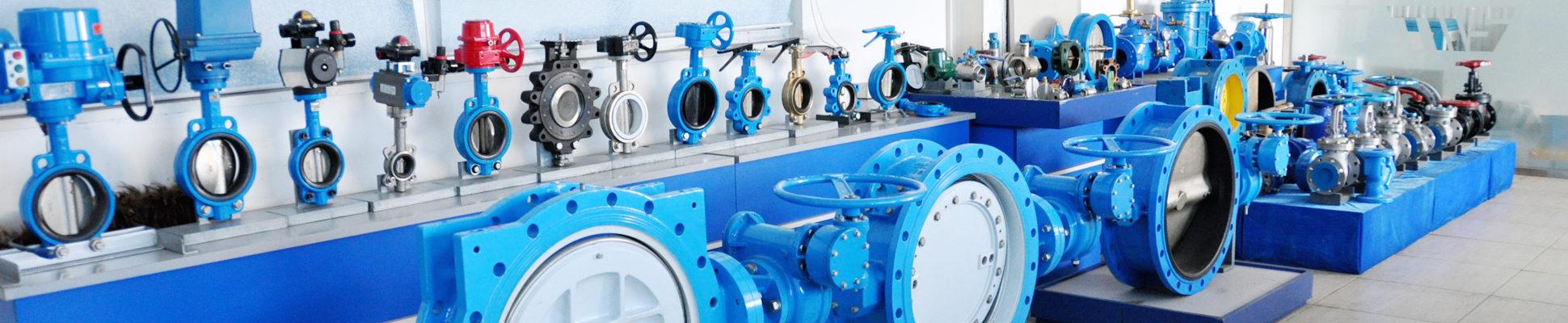
Choosing the right sealing material can double the valve life. Tianjin Tanggu Water-Seal Valve Co., Ltd – specializes in the production of butterfly valves, gate valves, and check valves, and is proficient in the working condition adaptation of sealing materials such as PTFE, EPDM, and PFA. We do not make “universal” valves, but we are committed to providing the most durable and economical sealing method for each of your pipelines. If you have any questions about selection, TWS technical team is ready to accurately check your pulse.
Post time: Jul-06-2026


