
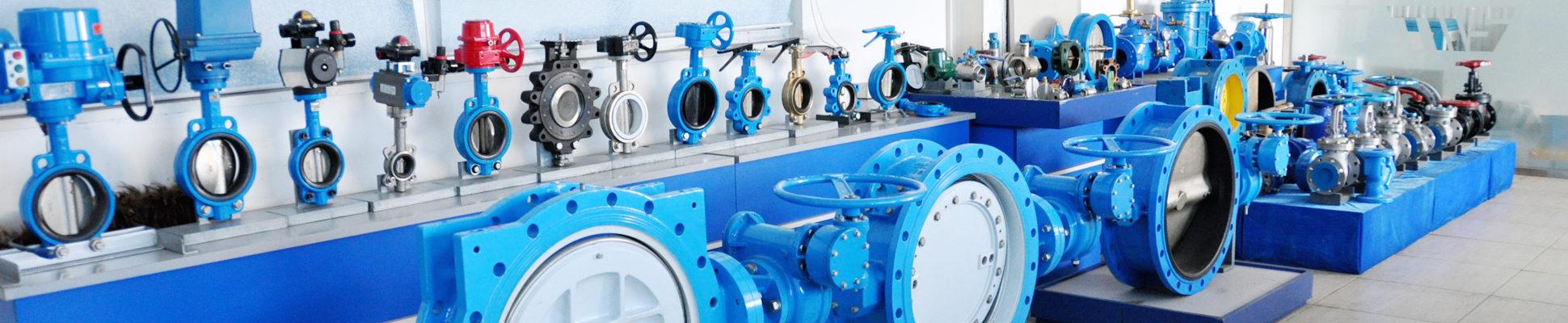
The difference between domestic valves and imported valves is mainly reflected in the following aspects:
1. Materials and processes:
Imported valves: usually selected raw materials, such as stainless steel (such as 316L), special alloys or engineering plastics. The casting process (such as precision casting, lost foam casting) and forging process are more advanced. The internal structure of the casting is dense, there are few defects, and the appearance is smooth. Sealing materials (such as EPDM, Viton, PTFE, etc.) are of high grade and have excellent wear resistance, corrosion resistance and high temperature resistance.
Domestic valves: A wide range of material choices, but the stable supply and application experience of some or special materials (such as super duplex steel, Hastelloy AlloyB) may not be as rich as imported brands. Casting and forging processes are constantly improving, but the inherent quality and appearance details (such as surface finish, burr treatment) of some products may be different from imported products. The performance of sealing materials is improving, but the long-term stability and life under working conditions sometimes still need to be verified.
2. Design and performance:
Imported valve: design concept, structural optimization, good fluid dynamics performance and small flow resistance. The processing precision is extremely high, and the fitting clearance of the parts is strictly controlled to ensure smooth valve action without jamming. Sealing, high leakage level (usually up to ANSIVI level or close to zero leakage), long service life. It performs better under high pressure, high temperature, strong corrosion, high wear and other working conditions.
Domestic valves: The design mostly draws on or mature products, and independent design capabilities have improved in recent years. The overall processing accuracy is improving, but some products may be slightly insufficient in terms of tolerance control and consistency in fine details. The sealing performance can meet the requirements of most conventional working conditions, but under high parameters or harsh conditions, the ability and lifespan to maintain zero leakage for a long time may lag behind imported products. Performance stability is one of the key points that users pay attention to.
3. Quality control and standards:
Imported valves: Strict quality management systems (such as ISO9001, etc.) are generally implemented, the production process is strictly controlled, and testing methods are complete (such as non-destructive testing, pressure testing, material analysis). Products usually comply with international standards (such as API, ANSI, DIN, JIS, etc.) and have complete certifications.
Domestic valves: Quality awareness has been significantly enhanced, and many regular manufacturers have also passed ISO certification and implemented (GB) or industry standards. However, quality control levels vary greatly between different manufacturers, and the testing equipment of some small and medium-sized manufacturers may not be complete enough or the implementation may not be strict enough. The proportion of compliant products is increasing.
4. Price and cost:
Imported valves: The price is usually much higher than that of domestic valves, mainly due to factors such as material costs, technology research and development, production processes, brand premiums, tariffs, and logistics.
Domestic valves: have significant potential, mainly due to lower raw material costs, lower labor costs and localized production.
5. Delivery time and service:
Imported valves: The delivery time is longer, especially for non-standard or customized products, which may take several months. The response speed of after-sales service is limited by geography, and the supply of spare parts may take a long time and be expensive.
Domestic valves: The delivery time is relatively short, and the supply of spot or conventional products is fast. Localized service response is quick, technical support, maintenance and spare parts supply are convenient and timely, and the cost is relatively low.
Imported valves, imported regulating valves, imported butterfly valves, W&T
Summary:
Domestic valves have obvious advantages in projects with regular working conditions, price sensitivity, and high delivery requirements, and their overall level is constantly improving. Imported valves are usually superior in terms of materials, workmanship, design, reliability, performance and service life under working conditions, but they are expensive and have long delivery times. When selecting, you need to comprehensively consider the specific working conditions (pressure, temperature, medium characteristics), budget, project cycle, and expectations for reliability and life. For critical or severe working conditions, imported products are still an important option; in general applications, domestic valves are a more common choice.
Imported valves have mature technology and stable performance, and are suitable for high-end and harsh working conditions, but they are expensive. Domestic medium and low-pressure water conservancy valves, represented by TWS, are cost-effective in the fields of butterfly valves, gate valves, and check valves, have fast service response, and are suitable for regular working conditions.
Post time: May-16-2026


